THE ADVENTURE COLLECTIVE® · Independent discovery and booking for outdoor travel

See Fairbanks’ industrial and cultural landmarks in one accessible half-day: a pipeline viewpoint, cultural centers, a university museum, and the Santa Claus House. Ideal for travelers who want a compact, contextual introduction to Interior Alaska.
See Fairbanks’ industrial and cultural landmarks in one accessible half-day: a pipeline viewpoint, cultural centers, a university museum, and the Santa Claus House. Ideal for travelers who want a compact, contextual introduction to Interior Alaska.
By midmorning the tour bus rolls onto the rim of the Tanana Valley, and Fairbanks opens in a sweep of low hills, birch and spruce, and weathered industrial flares. The group disembarks at the Trans-Alaska Pipeline viewpoint where the pipeline runs across tundra and rivers, its steel ribbon recalling oil booms and engineering ambition.
Verified experiences and guided adventures in the surrounding area.
Operated by 1st Alaska Outdoor School · Fairbanks, Alaska
By midmorning the tour bus rolls onto the rim of the Tanana Valley, and Fairbanks opens in a sweep of low hills, birch and spruce, and weathered industrial flares. The group disembarks at the Trans-Alaska Pipeline viewpoint where the pipeline runs across tundra and rivers, its steel ribbon recalling oil booms and engineering ambition.
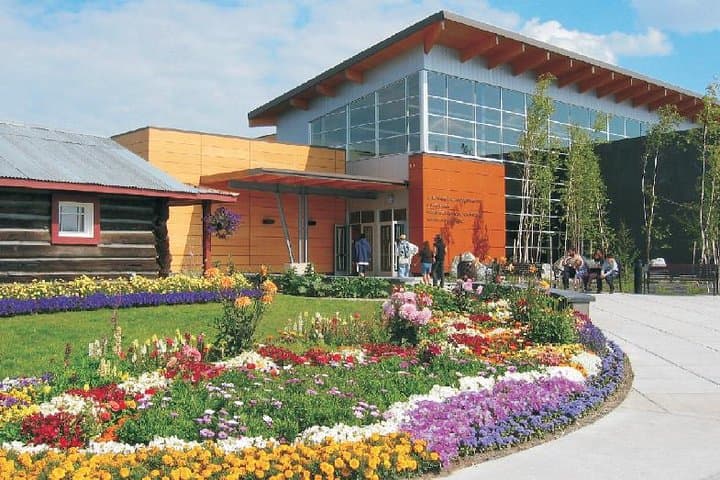
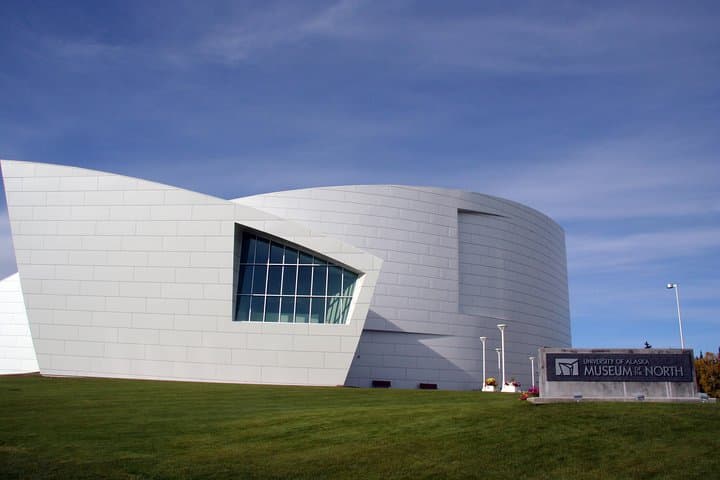
The itinerary threads through the city’s layered past: Athabascan trade routes, the 1901 gold rush that carved Fairbanks from taiga, and the postwar oil era that reshaped Alaska’s economy. Geology is visible in broad river flats and thaw-sensitive permafrost; the nearby Brooks Range casts a distant outline to the north. Culturally the tour balances institutional stops — the Morris Thompson Cultural and Visitors Center and the University of Alaska Museum of the North — with lighter ones such as the kitschy charms of the Santa Claus House in North Pole.
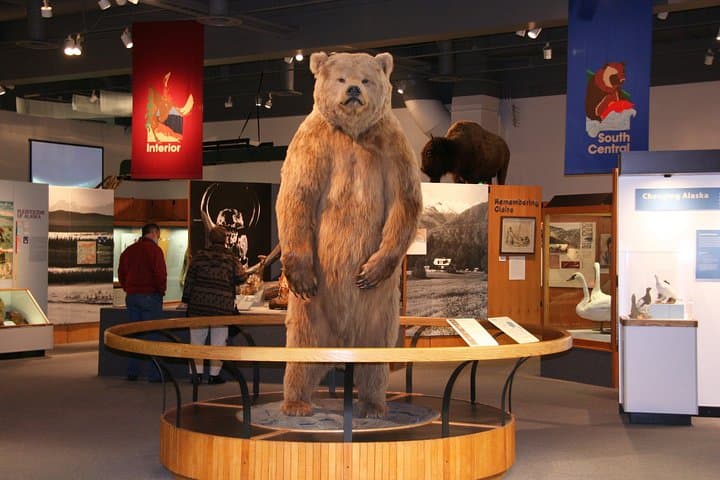
Expect interpretive commentary about pipeline construction, indigenous heritage, and regional ecology; museum galleries offer artifacts, stuffed megafauna, and rotating exhibits on Interior life. The day is paced for accessibility: short walks, indoor exhibits, and roadside viewpoints over roughly five and a half hours.
Plan layers — temperatures swing rapidly — and waterproof footwear for possible spring runoff or summer showers. Bring a camera, binoculars, and cash or card for souvenirs. Pickup logistics vary by hotel; confirm details beforehand. Note that Santa appearances and some museum hours can change seasonally, and minimum group sizes mean occasional cancellations. The tour suits travelers wanting a contextual introduction to Fairbanks.
easy.
5–6 hours.
Suitable for people of most fitness levels; involves short walks and mostly seated travel.
According to the itinerary, admission to the Museum of the North is included; other attractions such as the Santa Claus House do not require admission but may charge for specific experiences.
Santa appearances are not guaranteed and are subject to change; the visit includes time at the Santa Claus House but not a guaranteed meeting with Santa.
Pickup and drop-off are provided from selected hotels only; you must supply hotel details on booking and confirm pickup with the operator if not contacted.
Yes — the tour notes a minimum age of five years old. Check operator policies for infant or special-needs accommodations.
Fairbanks sprang up as a supply hub during the early 20th-century gold rush and later became a focal point for Alaska’s oil industry linking to the Trans-Alaska Pipeline.
Permafrost and riverine habitats around Fairbanks are sensitive to disturbance; stick to trails, carry out waste, and follow local guidelines to reduce visitor impact.
1st Alaska Outdoor School operates guided outdoor trips and adventures with an emphasis on safety, stewardship, and memorable experiences.

By midmorning the tour bus rolls onto the rim of the Tanana Valley, and Fairbanks opens in a sweep of low hills, birch and spruce, and weathered industrial flares. The group disembarks at the Trans-Alaska Pipeline viewpoint where the pipeline runs across tundra and rivers, its steel ribbon recalling oil booms and engineering ambition.
By midmorning the tour bus rolls onto the rim of the Tanana Valley, and Fairbanks opens in a sweep of low hills, birch and spruce, and weathered industrial flares. The group disembarks at the Trans-Alaska Pipeline viewpoint where the pipeline runs across tundra and rivers, its steel ribbon recalling oil booms and engineering ambition.
The itinerary threads through the city’s layered past: Athabascan trade routes, the 1901 gold rush that carved Fairbanks from taiga, and the postwar oil era that reshaped Alaska’s economy. Geology is visible in broad river flats and thaw-sensitive permafrost; the nearby Brooks Range casts a distant outline to the north. Culturally the tour balances institutional stops — the Morris Thompson Cultural and Visitors Center and the University of Alaska Museum of the North — with lighter ones such as the kitschy charms of the Santa Claus House in North Pole.
Expect interpretive commentary about pipeline construction, indigenous heritage, and regional ecology; museum galleries offer artifacts, stuffed megafauna, and rotating exhibits on Interior life. The day is paced for accessibility: short walks, indoor exhibits, and roadside viewpoints over roughly five and a half hours.
Plan layers — temperatures swing rapidly — and waterproof footwear for possible spring runoff or summer showers. Bring a camera, binoculars, and cash or card for souvenirs. Pickup logistics vary by hotel; confirm details beforehand. Note that Santa appearances and some museum hours can change seasonally, and minimum group sizes mean occasional cancellations. The tour suits travelers wanting a contextual introduction to Fairbanks.