THE ADVENTURE COLLECTIVE® · Independent discovery and booking for outdoor travel

Walk across fresh lava fields to Fagradalsfjall and Meradalir on a guided day hike from Reykjavík. This accessible route reveals the raw aftermath of the 2021–2023 eruptions and offers practical, up-close views of Iceland’s active geology.
Walk across fresh lava fields to Fagradalsfjall and Meradalir on a guided day hike from Reykjavík. This accessible route reveals the raw aftermath of the 2021–2023 eruptions and offers practical, up-close views of Iceland’s active geology.
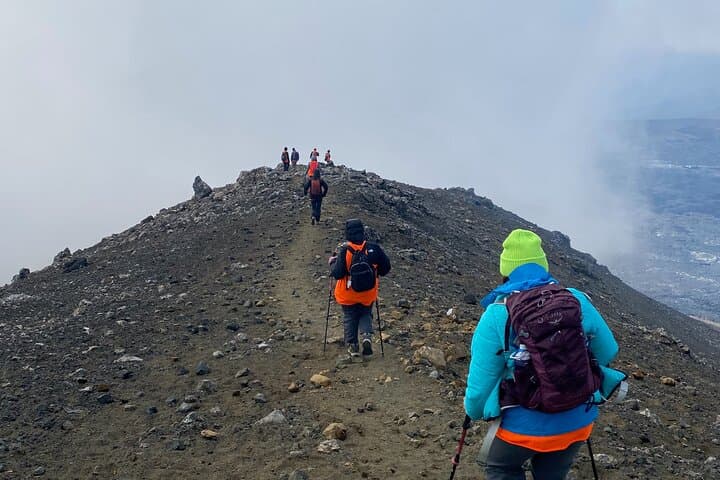
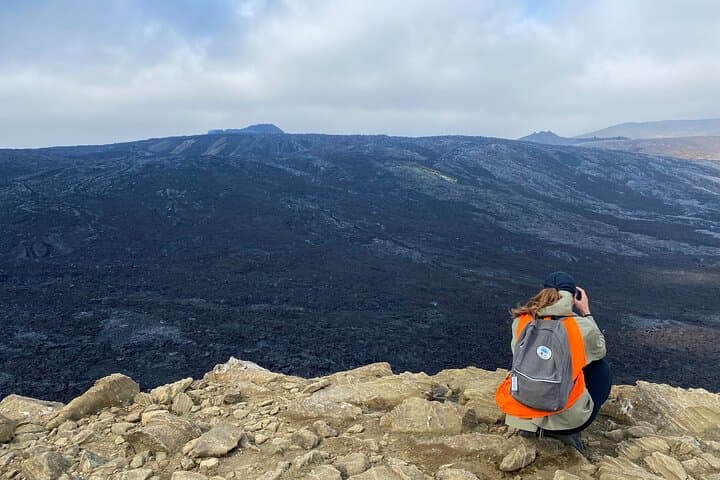
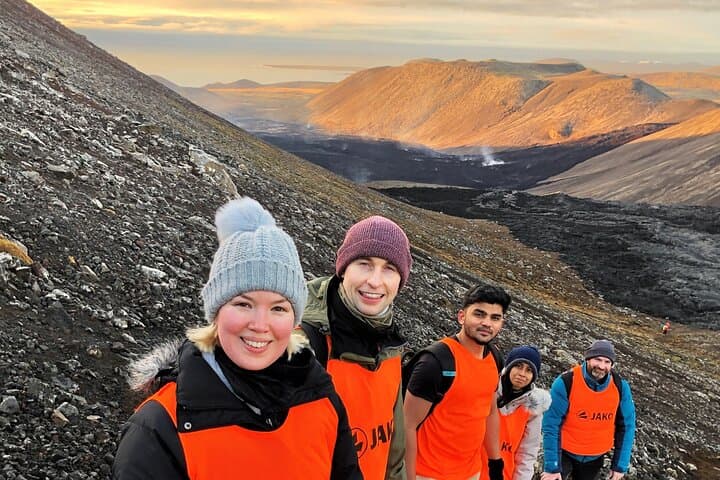
You step off the bus under a low arctic sky and the landscape immediately changes: black rivers of cooled lava fan out like frozen waves, and the crater rim glows dull and distant under cloud. The path through Geldingadalir and Meradalir feels elemental — wind straight from the Mid-Atlantic Ridge pushes at your jacket as you move toward the scarred dome of Fagradalsfjall.
Verified experiences and guided adventures in the surrounding area.
Operated by BusTravel Iceland · Reykjavík, Capital Region
You step off the bus under a low arctic sky and the landscape immediately changes: black rivers of cooled lava fan out like frozen waves, and the crater rim glows dull and distant under cloud. The path through Geldingadalir and Meradalir feels elemental — wind straight from the Mid-Atlantic Ridge pushes at your jacket as you move toward the scarred dome of Fagradalsfjall.
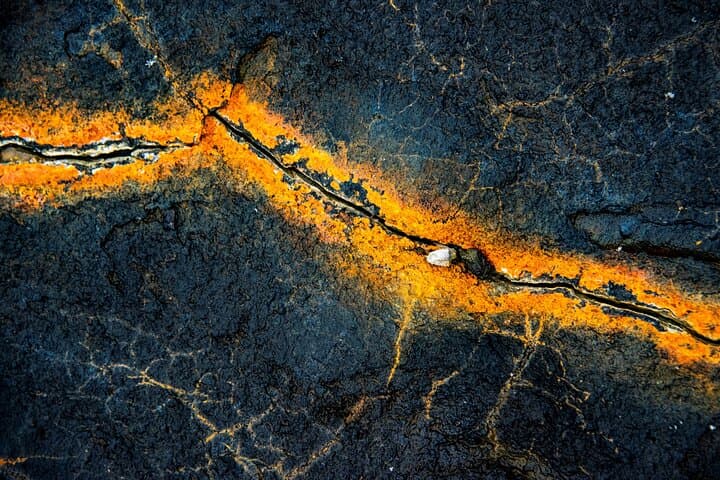
This stretch of the Reykjanes Peninsula has been rewritten by eruptions in 2021, 2022 and 2023. Geologically, the site sits on the divergent plate boundary where Iceland is being pulled apart; the result is recent lava flows, fresh scoria, and new topography that makes otherwise flat ground feel raw and new. Culturally, locals treat the area with a mix of reverence and practical curiosity — it’s a living classroom for volcanology and a reminder of Iceland’s seismic personality.
Expect a mostly flat, dirt-and-lava trail with loose rock sections: about 2 hours each way on the standard route, gradual grade changes rather than steep climbs, and open exposure to wind and sun. Practical guidance: wear stiff-soled hiking boots, dress in layers against sudden wind, carry 2–3 liters of water and snacks, and bring a headlamp for early starts or dusk returns. Guides monitor volcanic activity and may alter routes for safety; follow their instructions and keep to marked trails to protect fragile new crust.
A full-day outing from Reykjavik, this hike pairs dramatic geology with accessible terrain — exhilarating, educational, and unavoidably elemental.
moderate.
6–7 hours.
Moderate cardiovascular fitness and stable footing for a few hours; not suitable for those with mobility issues.
The trail is rated moderate: roughly 2 hours each way over mostly flat dirt and lava fields with some loose rock; expect a full-day outing including transport.
Guides monitor volcanic activity and will change the route or cancel in unsafe conditions; stay with the group and follow instructions.
Layered clothing with a windproof shell, sturdy boots, gloves and a hat are recommended — weather can change quickly on the Reykjanes Peninsula.
This tour includes pickup or meeting points in Reykjavik and transport by air-conditioned vehicle; public transit options exist but are slower and less direct.
The Reykjanes Peninsula was relatively quiet for centuries until seismic activity resumed in 2021, producing new lava flows that reshaped local topography.
New lava crust is fragile and slowly colonized by lichens; stick to established paths, pack out waste, and avoid stepping on fresh formations.
BusTravel Iceland operates guided outdoor trips and adventures with an emphasis on safety, stewardship, and memorable experiences.
You step off the bus under a low arctic sky and the landscape immediately changes: black rivers of cooled lava fan out like frozen waves, and the crater rim glows dull and distant under cloud. The path through Geldingadalir and Meradalir feels elemental — wind straight from the Mid-Atlantic Ridge pushes at your jacket as you move toward the scarred dome of Fagradalsfjall.
You step off the bus under a low arctic sky and the landscape immediately changes: black rivers of cooled lava fan out like frozen waves, and the crater rim glows dull and distant under cloud. The path through Geldingadalir and Meradalir feels elemental — wind straight from the Mid-Atlantic Ridge pushes at your jacket as you move toward the scarred dome of Fagradalsfjall.
This stretch of the Reykjanes Peninsula has been rewritten by eruptions in 2021, 2022 and 2023. Geologically, the site sits on the divergent plate boundary where Iceland is being pulled apart; the result is recent lava flows, fresh scoria, and new topography that makes otherwise flat ground feel raw and new. Culturally, locals treat the area with a mix of reverence and practical curiosity — it’s a living classroom for volcanology and a reminder of Iceland’s seismic personality.
Expect a mostly flat, dirt-and-lava trail with loose rock sections: about 2 hours each way on the standard route, gradual grade changes rather than steep climbs, and open exposure to wind and sun. Practical guidance: wear stiff-soled hiking boots, dress in layers against sudden wind, carry 2–3 liters of water and snacks, and bring a headlamp for early starts or dusk returns. Guides monitor volcanic activity and may alter routes for safety; follow their instructions and keep to marked trails to protect fragile new crust.
A full-day outing from Reykjavik, this hike pairs dramatic geology with accessible terrain — exhilarating, educational, and unavoidably elemental.