THE ADVENTURE COLLECTIVE® · Independent discovery and booking for outdoor travel

Three days crossing the Făgăraș ridge to Moldoveanu—Romania’s highest summit—mix alpine scrambling, glacier lakes and simple chalet nights. This guide outlines what to expect, how to prepare, and the local insights that make the traverse memorable.
Three days crossing the Făgăraș ridge to Moldoveanu—Romania’s highest summit—mix alpine scrambling, glacier lakes and simple chalet nights. This guide outlines what to expect, how to prepare, and the local insights that make the traverse memorable.
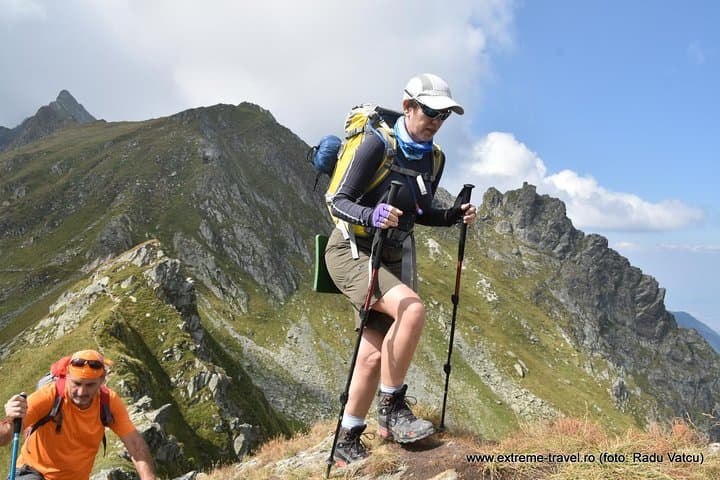
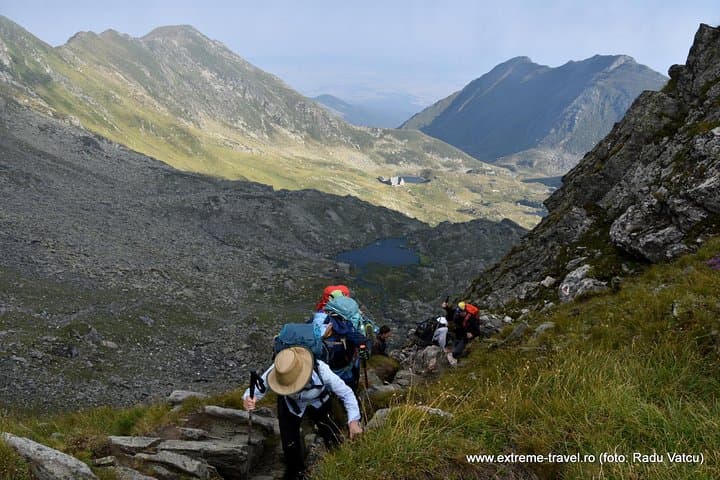
You step out where the road peels away from the valley and the Făgăraș ridge looms—granite and schist folded into a knife-edge skyline. Morning light picks out a chain of small glacier lakes, and the path climbs through alpine grass to a saddle where wind and weather lay down their rules.
Verified experiences and guided adventures in the surrounding area.
Operated by Extreme Travel · Brașov, Brașov County
You step out where the road peels away from the valley and the Făgăraș ridge looms—granite and schist folded into a knife-edge skyline. Morning light picks out a chain of small glacier lakes, and the path climbs through alpine grass to a saddle where wind and weather lay down their rules.
This three-day traverse follows the highest spine of the Făgăraș Mountains, the Carpathian arc that shaped Transylvania's history. The geology here is raw: glacial basins, moraine ponds and exposed rocky ribs carved in the last Ice Age. Culturally the ridgeline sits between shepherding valleys, with remote chalets—Podragu and Sâmbăta—offering simple beds and local stews.
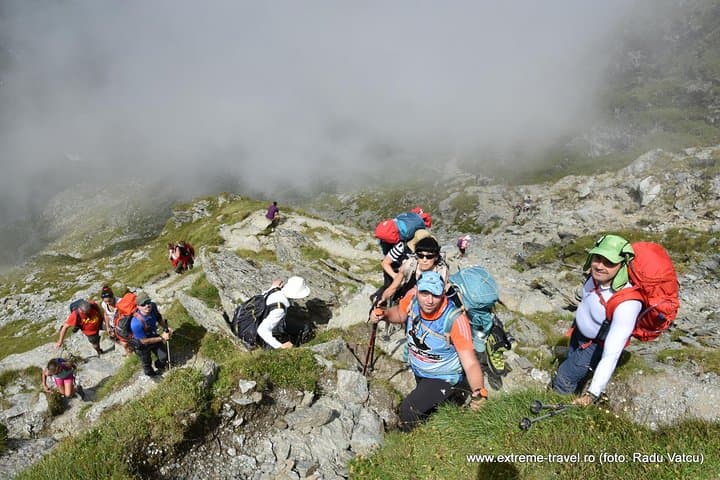
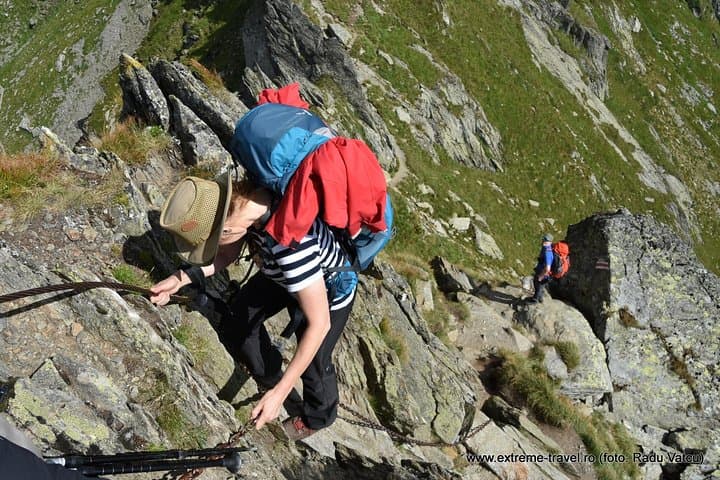
Expect sustained uphill approaches, short sections of exposed scrambling near the summit of Moldoveanu (2,544 m), and long daylight on rocky terrain. Nights are in dormitory-style mountain huts; daylight returns you to sweeping panoramas and the stony taste of altitude. The itinerary includes a cultural detour to a hilltop monastery and a citadel visit on the descent, grounding the alpine days in regional history.
Practical edge: plan for rapid weather swings, bring layers for wind and cold, and use sturdy boots with good traction. Water is available at springs and chalets but treat or filter it. The route is best attempted in stable summer weather or early autumn; snow and ice push this from a hard hike into a mountaineering outing. A mountain guide and private transport are included in the tour for route-finding and safety.
challenging.
3 days.
Recommended for hikers with good endurance, used to full days on steep terrain and carrying a 10–15 kg daypack.
Late June through September and early October offer the most stable conditions; before or after that you may encounter snow and require crampons and ice axe.
The ascent involves steep hiking and short exposed scrambling but usually does not require ropes in summer; experience on rocky terrain and a head for exposure are important.
The tour notes include accommodation in mountain chalets and a mountain guide; verify which meals are provided and pack high-energy snacks for long summit day.
The itinerary uses private transport from Brașov and access via the Balea area—the tour includes transfers, but confirm pickup location and timing when you book.
The Făgăraș range has long separated Transylvanian valleys; its high passes were strategic routes and seasonal grazing areas for shepherds and villages for centuries.
This is a fragile alpine environment—stick to marked trails, pack out waste, and use established water sources to limit impact on tarns and vegetation.
Extreme Travel operates guided outdoor trips and adventures with an emphasis on safety, stewardship, and memorable experiences.
You step out where the road peels away from the valley and the Făgăraș ridge looms—granite and schist folded into a knife-edge skyline. Morning light picks out a chain of small glacier lakes, and the path climbs through alpine grass to a saddle where wind and weather lay down their rules.
You step out where the road peels away from the valley and the Făgăraș ridge looms—granite and schist folded into a knife-edge skyline. Morning light picks out a chain of small glacier lakes, and the path climbs through alpine grass to a saddle where wind and weather lay down their rules.
This three-day traverse follows the highest spine of the Făgăraș Mountains, the Carpathian arc that shaped Transylvania's history. The geology here is raw: glacial basins, moraine ponds and exposed rocky ribs carved in the last Ice Age. Culturally the ridgeline sits between shepherding valleys, with remote chalets—Podragu and Sâmbăta—offering simple beds and local stews.
Expect sustained uphill approaches, short sections of exposed scrambling near the summit of Moldoveanu (2,544 m), and long daylight on rocky terrain. Nights are in dormitory-style mountain huts; daylight returns you to sweeping panoramas and the stony taste of altitude. The itinerary includes a cultural detour to a hilltop monastery and a citadel visit on the descent, grounding the alpine days in regional history.
Practical edge: plan for rapid weather swings, bring layers for wind and cold, and use sturdy boots with good traction. Water is available at springs and chalets but treat or filter it. The route is best attempted in stable summer weather or early autumn; snow and ice push this from a hard hike into a mountaineering outing. A mountain guide and private transport are included in the tour for route-finding and safety.