THE ADVENTURE COLLECTIVE® · Independent discovery and booking for outdoor travel

Walk Fadiouth’s streets of shell, cross wooden bridges, and visit a sacred baobab on a private day trip from Dakar. This cultural coastal outing pairs geology and history with easy walking and vivid shoreline scenery.
Walk Fadiouth’s streets of shell, cross wooden bridges, and visit a sacred baobab on a private day trip from Dakar. This cultural coastal outing pairs geology and history with easy walking and vivid shoreline scenery.
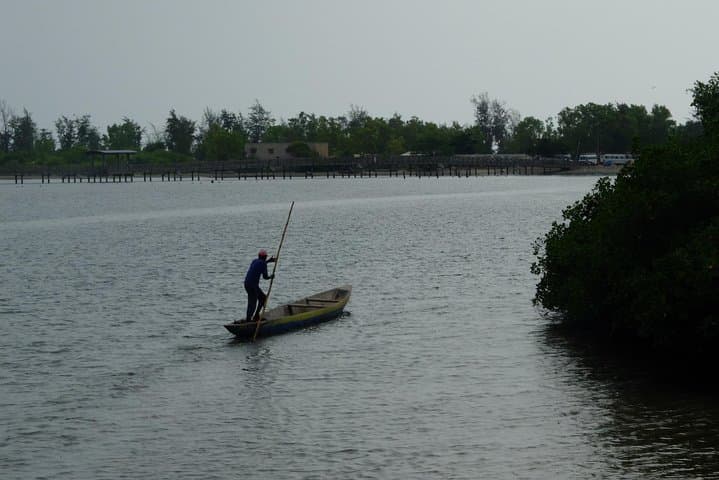
You step off the shaded minivan onto a wooden bridge and the Atlantic wind pushes at your hair like a gentle hand guiding you toward the island. Beneath your feet the narrow streets of Fadiouth crunch—not cobbles, but centuries of oyster and clam shell packed into lanes and walls. Gulls wheel above while fishermen haul nets along the tidal flats.
Verified experiences and guided adventures in the surrounding area.
Operated by sensafari excursion · Joal-Fadiouth, Fatick Region
You step off the shaded minivan onto a wooden bridge and the Atlantic wind pushes at your hair like a gentle hand guiding you toward the island. Beneath your feet the narrow streets of Fadiouth crunch—not cobbles, but centuries of oyster and clam shell packed into lanes and walls. Gulls wheel above while fishermen haul nets along the tidal flats.
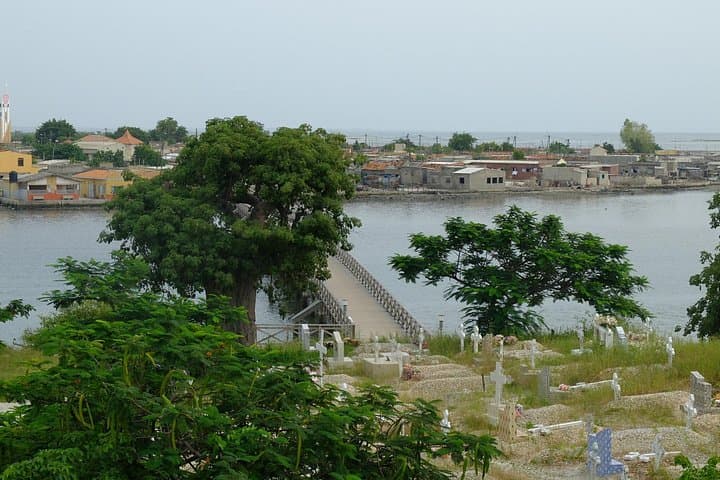
Joal and Fadiouth lie roughly 110 km south of Dakar at the coastal road’s end. Joal is known as the birthplace of Senegal’s first president, Léopold Sédar Senghor, while Fadiouth is geologically unique: the island is an anthropic shell mound formed by generations of discarded shells that now host houses, shrines, and two interwoven cemeteries—one Christian, one Muslim—linked by wooden walkways.
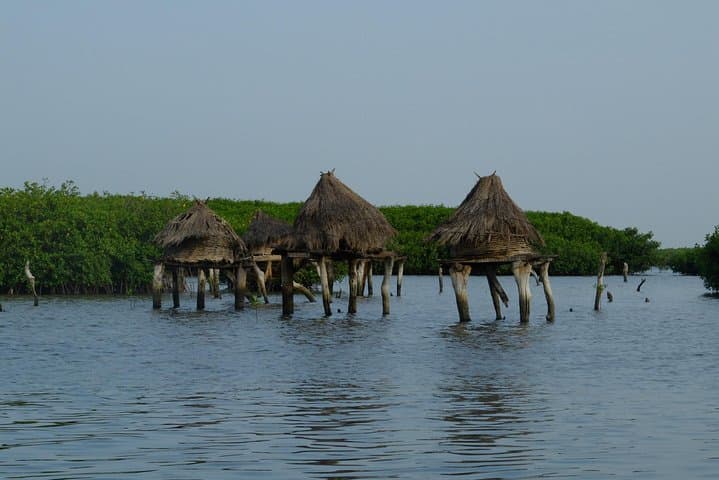
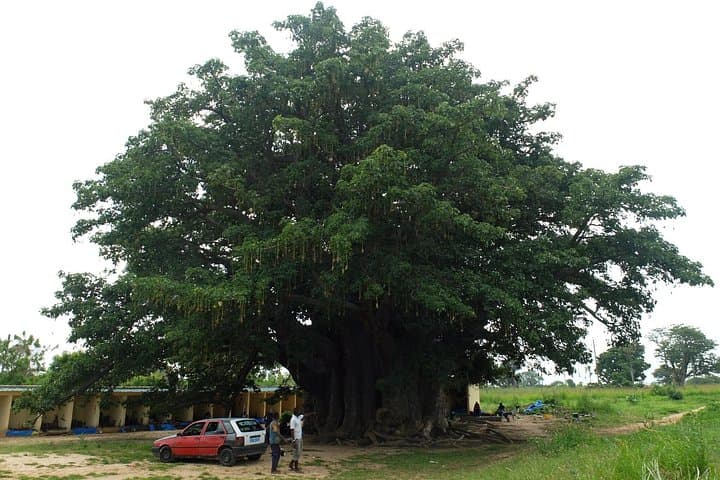
Culturally the twin villages exemplify communal coexistence; a large church and a mosque sit within earshot of one another. Along the approach you’ll pass a famed sacred baobab whose hollow trunk marks local storytelling and pilgrimage. The tidal flats and mangroves attract shorebirds and small crabs, and tides will dictate much of what you see.
Practical guide: expect 4–5 hours round-trip from Dakar, with short, uneven walks across shell pavements and bridges. Wear sturdy closed-toe shoes, bring sun protection and water, and time your visit for morning or late afternoon to avoid peak heat and see low-tide shores exposed. The island is largely wheelchair-friendly in key areas, but narrow lanes and steps can be challenging. Respect shrines and cemeteries, avoid removing shells, and hire a local guide to unpack the layered history—this is a place where geology, faith, and daily life overlap on the shoreline.
moderate.
4–5 hours.
Moderate fitness—short walks over uneven shell pavement and small bridges; not strenuous but requires balance.
Fadiouth (Joal-Fadiouth) is about 110 km south of Dakar; expect a round-trip transfer of 4–5 hours including on-site time.
Key areas and the main wooden bridge are generally wheelchair-accessible, but narrow lanes and steps can limit full circulation—check specifics with the operator beforehand.
Yes—most private tours include a local lunch or stop at a seaside restaurant serving fresh fish; inform operators of dietary needs when booking.
Standard coastal precautions apply: strong sun, occasional slippery steps, and tides; pregnant travelers and those with serious cardiac conditions should consult the operator (tour notes advise caution).
Joal is the birthplace of Léopold Sédar Senghor; Fadiouth’s shell island formed over centuries as discarded oysters and clams built elevation above the tidal plain.
The shell deposits are fragile and culturally important—avoid removing shells or disturbing burial sites; support local guides and waste-reduction efforts to limit tourist impact.
sensafari excursion operates guided outdoor trips and adventures with an emphasis on safety, stewardship, and memorable experiences.
You step off the shaded minivan onto a wooden bridge and the Atlantic wind pushes at your hair like a gentle hand guiding you toward the island. Beneath your feet the narrow streets of Fadiouth crunch—not cobbles, but centuries of oyster and clam shell packed into lanes and walls. Gulls wheel above while fishermen haul nets along the tidal flats.
You step off the shaded minivan onto a wooden bridge and the Atlantic wind pushes at your hair like a gentle hand guiding you toward the island. Beneath your feet the narrow streets of Fadiouth crunch—not cobbles, but centuries of oyster and clam shell packed into lanes and walls. Gulls wheel above while fishermen haul nets along the tidal flats.
Joal and Fadiouth lie roughly 110 km south of Dakar at the coastal road’s end. Joal is known as the birthplace of Senegal’s first president, Léopold Sédar Senghor, while Fadiouth is geologically unique: the island is an anthropic shell mound formed by generations of discarded shells that now host houses, shrines, and two interwoven cemeteries—one Christian, one Muslim—linked by wooden walkways.
Culturally the twin villages exemplify communal coexistence; a large church and a mosque sit within earshot of one another. Along the approach you’ll pass a famed sacred baobab whose hollow trunk marks local storytelling and pilgrimage. The tidal flats and mangroves attract shorebirds and small crabs, and tides will dictate much of what you see.
Practical guide: expect 4–5 hours round-trip from Dakar, with short, uneven walks across shell pavements and bridges. Wear sturdy closed-toe shoes, bring sun protection and water, and time your visit for morning or late afternoon to avoid peak heat and see low-tide shores exposed. The island is largely wheelchair-friendly in key areas, but narrow lanes and steps can be challenging. Respect shrines and cemeteries, avoid removing shells, and hire a local guide to unpack the layered history—this is a place where geology, faith, and daily life overlap on the shoreline.