THE ADVENTURE COLLECTIVE® · Independent discovery and booking for outdoor travel

Step from shore into a compact cage and meet the ocean’s most iconic predator off Gansbaai. This four-to-five hour trip pairs close-up Great White encounters with conservation-minded research and local knowledge.
Step from shore into a compact cage and meet the ocean’s most iconic predator off Gansbaai. This four-to-five hour trip pairs close-up Great White encounters with conservation-minded research and local knowledge.
Dawn breaks over a small crew house on the Gansbaai shoreline; salt tang fills the air and a compact vessel rocks gently at the mooring. You sip coffee after a short briefing, then slide into a provided wetsuit and step aboard for a brisk 20-minute run to the anchorage near Dyer Island. The floating 8-man cage hovers alongside the boat—metal, purposeful—and when the sea calls you down, the world narrows to water and shape.
Verified experiences and guided adventures in the surrounding area.
Operated by White Shark Diving Company · Gansbaai, Western Cape
Dawn breaks over a small crew house on the Gansbaai shoreline; salt tang fills the air and a compact vessel rocks gently at the mooring. You sip coffee after a short briefing, then slide into a provided wetsuit and step aboard for a brisk 20-minute run to the anchorage near Dyer Island. The floating 8-man cage hovers alongside the boat—metal, purposeful—and when the sea calls you down, the world narrows to water and shape.
Gansbaai sits where the cold Benguela upwelling meets a rocky coastline, bringing seals, fish and the great whites that follow them. The area’s maritime history is tied to fishing and small-boat communities; today research groups and operators work alongside local fishermen to monitor shark movements and reduce conflict. Dyer Island and nearby Seal Island are geological outcrops that concentrate prey and, in turn, predators—an efficient stage for field research and up-close encounters.
Expect a full 4–5 hour outing: light breakfast, safety briefing, the boat run, rotating cage sessions and time on the viewing deck. Operators provide wetsuits, booties and masks; snacks, lunch and a post-trip meal with video are typically included. Sightings are never guaranteed—marine life is unpredictable—but the experience intentionally blends tourism with conservation, offering educational context and support for ongoing research.
Practical edge: wear layers for the return ride, take motion-sickness meds if you’re prone, secure any cameras in waterproof housing, and budget time to explore Gansbaai’s viewpoints and local marine centers afterward.
moderate.
4–5 hours.
Moderate fitness: able to step on/off a boat and climb into a shallow cage; comfortable with some physical strain and sea motion.
No; sightings depend on natural shark movements. If none are seen, many operators offer a no-shark voucher valid for a future trip (check voucher terms).
Yes—participants remain inside a secured floating cage attached to the boat; basic mobility is required to enter/exit and to follow safety briefings.
Typically a safety briefing, wetsuit/booties/mask, light breakfast, snacks, lunch, onboard beverages, video footage and a post-trip meal—confirm exact inclusions when booking.
Yes—most trips allow rotation so non-divers or spectators can view from the deck and still observe sharks at the surface.
Gansbaai began as a small fishing hub; its proximity to productive upwelling zones made it a natural base for both fisheries and marine research.
Local operators often partner with research groups—tours fund tagging and monitoring programs—and adhere to guidelines that minimize disturbance to wildlife.
White Shark Diving Company operates guided outdoor trips and adventures with an emphasis on safety, stewardship, and memorable experiences.
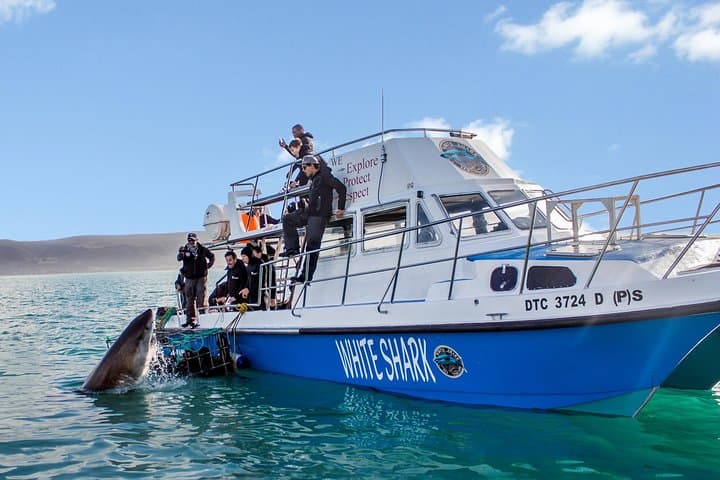
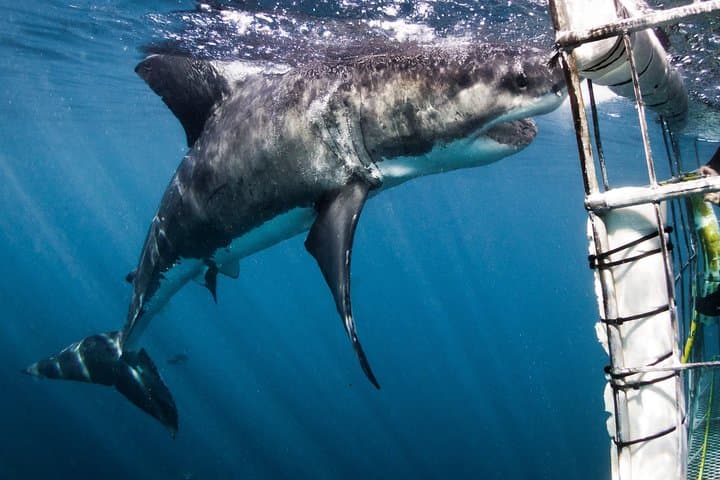
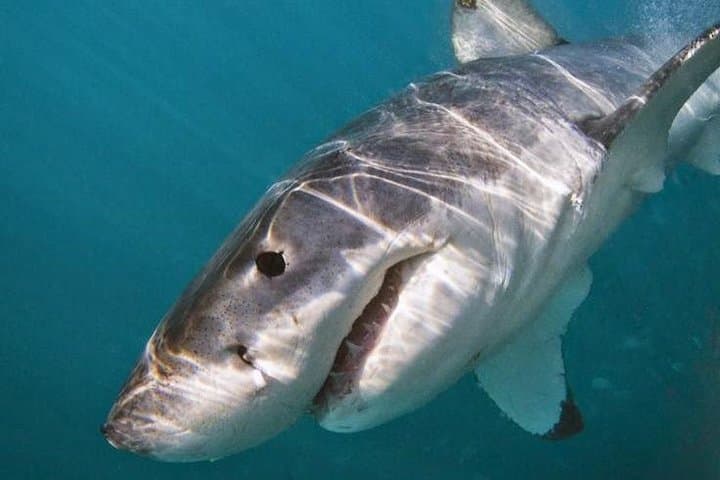
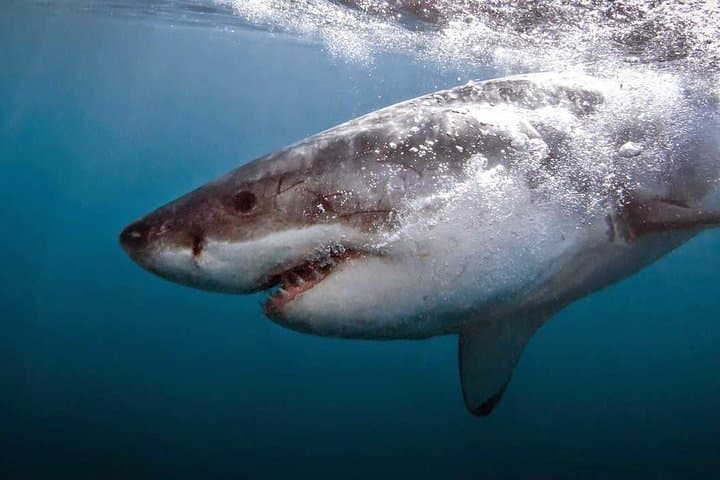
Dawn breaks over a small crew house on the Gansbaai shoreline; salt tang fills the air and a compact vessel rocks gently at the mooring. You sip coffee after a short briefing, then slide into a provided wetsuit and step aboard for a brisk 20-minute run to the anchorage near Dyer Island. The floating 8-man cage hovers alongside the boat—metal, purposeful—and when the sea calls you down, the world narrows to water and shape.
Dawn breaks over a small crew house on the Gansbaai shoreline; salt tang fills the air and a compact vessel rocks gently at the mooring. You sip coffee after a short briefing, then slide into a provided wetsuit and step aboard for a brisk 20-minute run to the anchorage near Dyer Island. The floating 8-man cage hovers alongside the boat—metal, purposeful—and when the sea calls you down, the world narrows to water and shape.
Gansbaai sits where the cold Benguela upwelling meets a rocky coastline, bringing seals, fish and the great whites that follow them. The area’s maritime history is tied to fishing and small-boat communities; today research groups and operators work alongside local fishermen to monitor shark movements and reduce conflict. Dyer Island and nearby Seal Island are geological outcrops that concentrate prey and, in turn, predators—an efficient stage for field research and up-close encounters.
Expect a full 4–5 hour outing: light breakfast, safety briefing, the boat run, rotating cage sessions and time on the viewing deck. Operators provide wetsuits, booties and masks; snacks, lunch and a post-trip meal with video are typically included. Sightings are never guaranteed—marine life is unpredictable—but the experience intentionally blends tourism with conservation, offering educational context and support for ongoing research.
Practical edge: wear layers for the return ride, take motion-sickness meds if you’re prone, secure any cameras in waterproof housing, and budget time to explore Gansbaai’s viewpoints and local marine centers afterward.