THE ADVENTURE COLLECTIVE® · Independent discovery and booking for outdoor travel

Spend a full day walking among the Great Pyramid, the Great Sphinx and the Grand Egyptian Museum with a private guide. This tour mixes hands-on access to the Giza Plateau with curated gallery time among Egypt’s most iconic artifacts.
Spend a full day walking among the Great Pyramid, the Great Sphinx and the Grand Egyptian Museum with a private guide. This tour mixes hands-on access to the Giza Plateau with curated gallery time among Egypt’s most iconic artifacts.
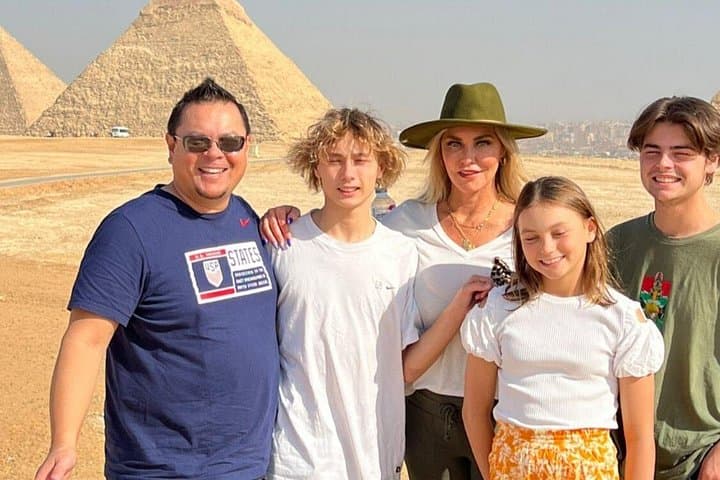
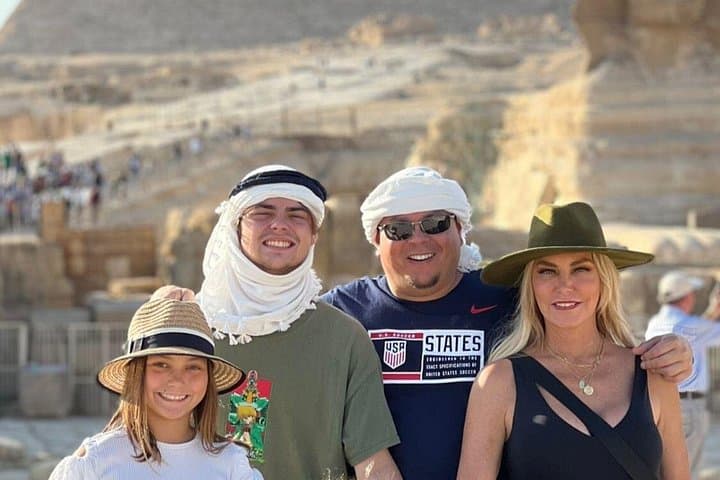
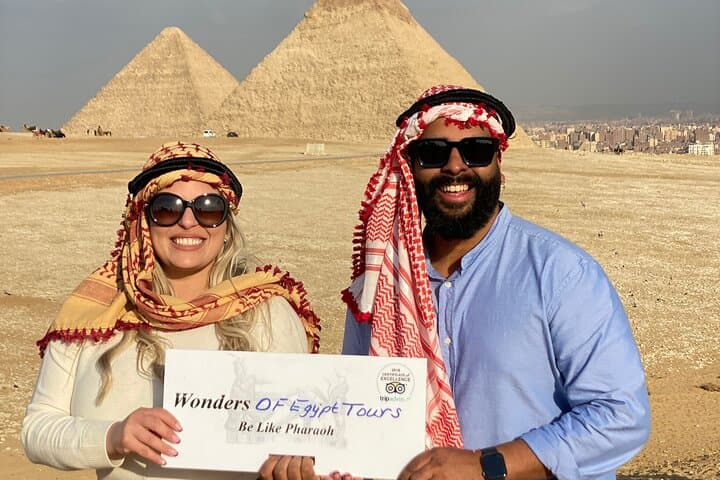
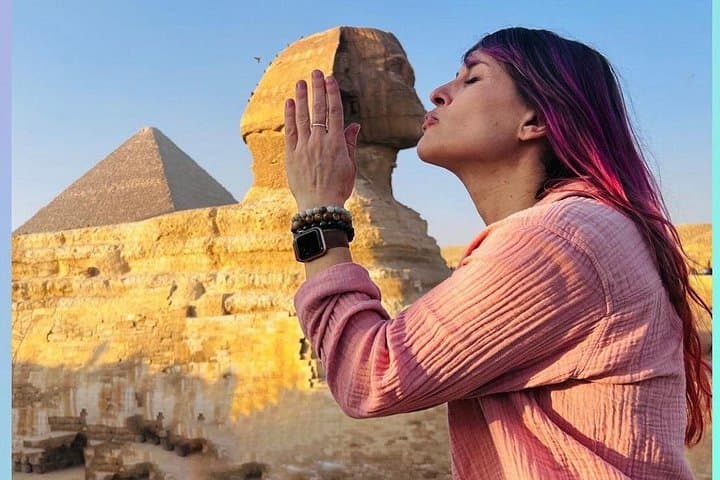
The sun climbs over ochre dunes as the Giza Plateau unfolds: the Great Pyramid rises like a carved horizon, the Sphinx stares eastward, and a line of modern glass—the Grand Egyptian Museum—gleams nearby. A private guide leads the way, parsing measurements and myths as you move from the heavy, angled stones of Khufu’s tomb to the softer carved lines of Khafre’s Valley Temple.
Verified experiences and guided adventures in the surrounding area.
Operated by Wonders of Egypt Tours · Giza, Giza
The sun climbs over ochre dunes as the Giza Plateau unfolds: the Great Pyramid rises like a carved horizon, the Sphinx stares eastward, and a line of modern glass—the Grand Egyptian Museum—gleams nearby. A private guide leads the way, parsing measurements and myths as you move from the heavy, angled stones of Khufu’s tomb to the softer carved lines of Khafre’s Valley Temple.
This landscape bears 4,500 years of intent: Old Kingdom masons set stones with measured precision while later dynasties added temples and tombs that recorded daily life and religious rites. Geologically, the plateau is a limestone cap atop an ancient marine shelf; erosion and human traffic have smoothed ledges but left the monumental faces intact.
Culturally the sites remain active—a place of tourism, scholarship and national pride—now complemented by the Grand Egyptian Museum’s climate-controlled galleries, where colossal Ramses statues and Tutankhamun’s gold pieces sit under discreet lighting and conservation-grade glass.
Practical guidance: expect a 7–8 hour day covering roughly 2–4 km of walking on uneven rock and compacted sand, with short climbs and viewpoints to reach. The tour commonly includes a 20-minute camel ride and varies by ticket option for museum entry; confirm what’s included when booking.
Timing matters—early morning light softens the desert heat and improves photography, while late afternoon casts long shadows across the faces of the pyramids. Bring sun protection, refillable water, and comfortable footwear with good traction. Respect signage in the museum and keep a respectful distance from fragile artifacts—the preservation of stone and gold depends on every visitor’s restraint.
easy.
7–8 hours.
Suitable for most fitness levels; expect several hours on your feet with short walks across uneven terrain.
Some booking options include entry fees and some do not—check your selected option; the tour provider lists inclusions at booking.
Visitors are sometimes allowed to touch lower exterior casing stones; entry into internal chambers is restricted and subject to site regulations and conservation rules.
Photography is generally allowed in public galleries without flash; certain artifacts or temporary exhibits may prohibit photos—follow posted signs.
Most private tour options include hotel pickup and drop-off—confirm pickup point and timing when you book.
The Great Pyramid of Khufu dates to around 2560 BCE, built during Egypt’s Fourth Dynasty; the Sphinx is commonly associated with Pharaoh Khafre and his mortuary complex.
Visitor numbers and urban encroachment stress the site; the Grand Egyptian Museum centralizes artifacts to reduce wear on originals and supports modern conservation practices.
Wonders of Egypt Tours operates guided outdoor trips and adventures with an emphasis on safety, stewardship, and memorable experiences.
The sun climbs over ochre dunes as the Giza Plateau unfolds: the Great Pyramid rises like a carved horizon, the Sphinx stares eastward, and a line of modern glass—the Grand Egyptian Museum—gleams nearby. A private guide leads the way, parsing measurements and myths as you move from the heavy, angled stones of Khufu’s tomb to the softer carved lines of Khafre’s Valley Temple.
The sun climbs over ochre dunes as the Giza Plateau unfolds: the Great Pyramid rises like a carved horizon, the Sphinx stares eastward, and a line of modern glass—the Grand Egyptian Museum—gleams nearby. A private guide leads the way, parsing measurements and myths as you move from the heavy, angled stones of Khufu’s tomb to the softer carved lines of Khafre’s Valley Temple.
This landscape bears 4,500 years of intent: Old Kingdom masons set stones with measured precision while later dynasties added temples and tombs that recorded daily life and religious rites. Geologically, the plateau is a limestone cap atop an ancient marine shelf; erosion and human traffic have smoothed ledges but left the monumental faces intact.
Culturally the sites remain active—a place of tourism, scholarship and national pride—now complemented by the Grand Egyptian Museum’s climate-controlled galleries, where colossal Ramses statues and Tutankhamun’s gold pieces sit under discreet lighting and conservation-grade glass.
Practical guidance: expect a 7–8 hour day covering roughly 2–4 km of walking on uneven rock and compacted sand, with short climbs and viewpoints to reach. The tour commonly includes a 20-minute camel ride and varies by ticket option for museum entry; confirm what’s included when booking.
Timing matters—early morning light softens the desert heat and improves photography, while late afternoon casts long shadows across the faces of the pyramids. Bring sun protection, refillable water, and comfortable footwear with good traction. Respect signage in the museum and keep a respectful distance from fragile artifacts—the preservation of stone and gold depends on every visitor’s restraint.