THE ADVENTURE COLLECTIVE® · Independent discovery and booking for outdoor travel

Spend a concentrated day tracking mountain gorillas in Bwindi Impenetrable Forest from Kisoro. Expect steep, muddy trails, unpredictable trek times, and a one-hour, regulated encounter with a habituated gorilla group.
Spend a concentrated day tracking mountain gorillas in Bwindi Impenetrable Forest from Kisoro. Expect steep, muddy trails, unpredictable trek times, and a one-hour, regulated encounter with a habituated gorilla group.
Fog lifts off the forest and the path narrows to a single thread of mud and roots. Guides move with practised silence, machetes whispering the route through thick understorey as birds and distant insects mark the rhythm. The air smells of wet earth; each step can bring you closer to the low, steady breathing of a gorilla family.
Verified experiences and guided adventures in the surrounding area.
Operated by Mountain Gorilla Trekking Tours · Kisoro, Kisoro District
Fog lifts off the forest and the path narrows to a single thread of mud and roots. Guides move with practised silence, machetes whispering the route through thick understorey as birds and distant insects mark the rhythm. The air smells of wet earth; each step can bring you closer to the low, steady breathing of a gorilla family.
Bwindi Impenetrable National Park is ancient upland rainforest carved by tectonic forces and shaped by rainfall crossing the Albertine Rift. It holds globally important biodiversity—mountain gorillas, chimpanzees, and hundreds of bird species—and a long human story: Batwa communities once lived inside these woods, and conservation here has been a contentious but crucial chapter since Bwindi gained UNESCO status in 1994.
A one-day trek from Kisoro compresses that experience into a focused, high-stakes encounter. Trekking time is unpredictable—anywhere from two to six hours or more—over steep, often muddy slopes and dense vegetation. Guides read spoor and tell gorilla families apart; visitors get one hour with habituated groups under strict rules to minimize disease transmission.
Practical notes: travel light but prepared—water, layered clothing, gaiters, and a waterproof shell are essential. Expect variable weather; start early to increase chances of locating gorillas and to avoid afternoon rain. Permits are required and limited; book in advance and carry ID. Respect distance limits, follow the guide’s instruction, and avoid coughing or hand-to-face contact to protect these critically endangered animals.
For travelers seeking a concentrated wildlife encounter, the day offers an intense, responsible encounter with one of Africa’s most iconic species—raw, intimate, and logistically exacting.
moderate.
5–9 hours.
Reasonable cardiovascular fitness and the ability to hike uneven, steep terrain for several hours; good balance helps.
Yes—gorilla permits are mandatory, limited in number, and must be purchased in advance through authorized channels.
Once the group is located, visitors are allowed one hour with habituated gorilla groups under close supervision.
Rules vary by park; many operators do not recommend trekking for pregnant travelers and age minimums may apply—check with the provider beforehand.
Trek times are unpredictable; guides plan conservatively and return transport awaits, but bring extra water, snacks, and patience.
Bwindi was designated a UNESCO World Heritage Site in 1994 and is culturally significant to Batwa communities who historically lived within the forest.
Gorilla tourism is tightly regulated—permits, limited group sizes, and hygiene rules help fund conservation and local community projects while minimizing human impact.
Mountain Gorilla Trekking Tours operates guided outdoor trips and adventures with an emphasis on safety, stewardship, and memorable experiences.
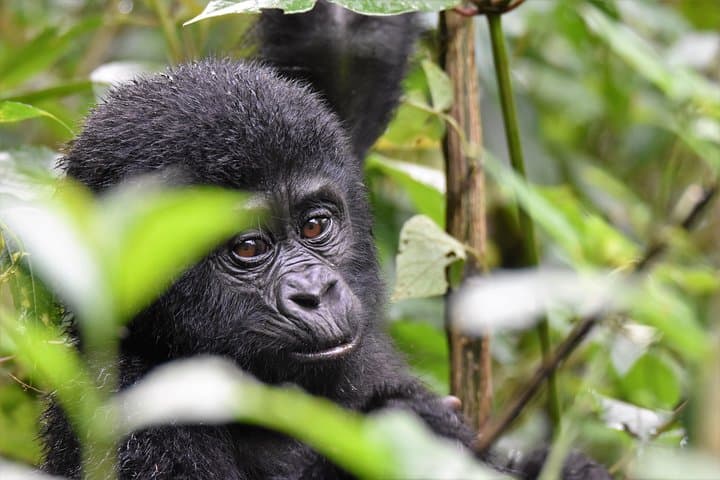
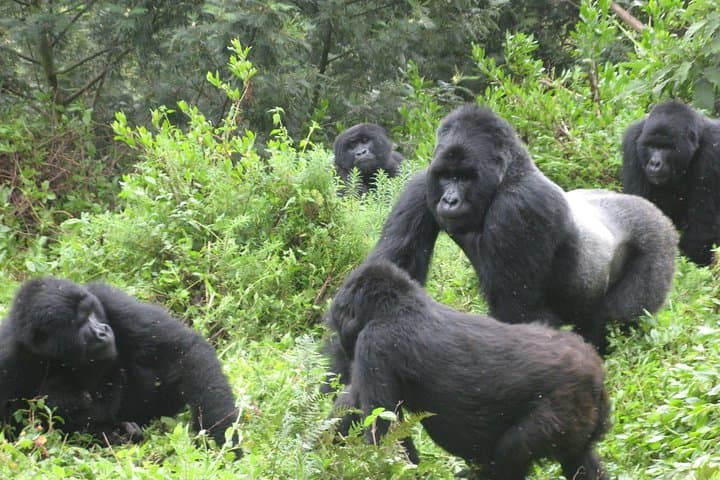
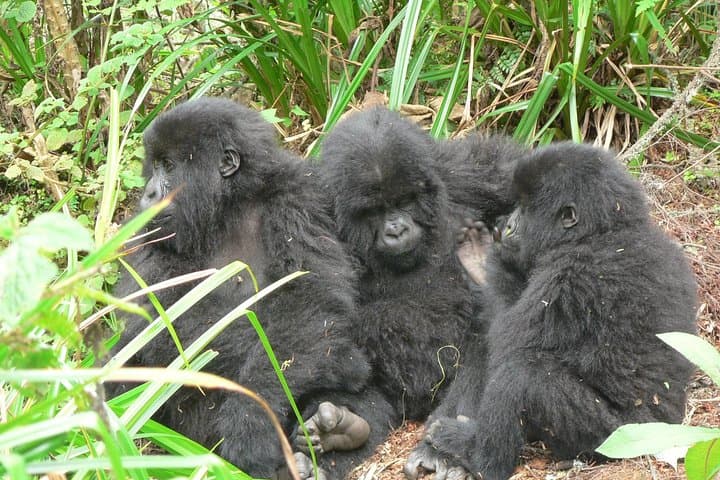
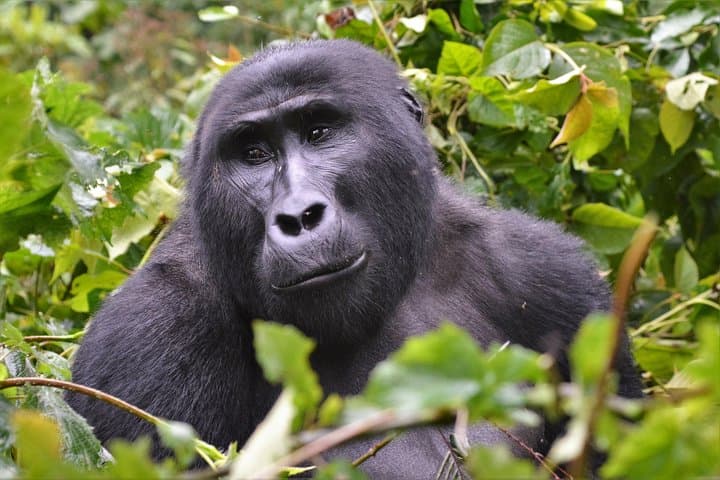
Fog lifts off the forest and the path narrows to a single thread of mud and roots. Guides move with practised silence, machetes whispering the route through thick understorey as birds and distant insects mark the rhythm. The air smells of wet earth; each step can bring you closer to the low, steady breathing of a gorilla family.
Fog lifts off the forest and the path narrows to a single thread of mud and roots. Guides move with practised silence, machetes whispering the route through thick understorey as birds and distant insects mark the rhythm. The air smells of wet earth; each step can bring you closer to the low, steady breathing of a gorilla family.
Bwindi Impenetrable National Park is ancient upland rainforest carved by tectonic forces and shaped by rainfall crossing the Albertine Rift. It holds globally important biodiversity—mountain gorillas, chimpanzees, and hundreds of bird species—and a long human story: Batwa communities once lived inside these woods, and conservation here has been a contentious but crucial chapter since Bwindi gained UNESCO status in 1994.
A one-day trek from Kisoro compresses that experience into a focused, high-stakes encounter. Trekking time is unpredictable—anywhere from two to six hours or more—over steep, often muddy slopes and dense vegetation. Guides read spoor and tell gorilla families apart; visitors get one hour with habituated groups under strict rules to minimize disease transmission.
Practical notes: travel light but prepared—water, layered clothing, gaiters, and a waterproof shell are essential. Expect variable weather; start early to increase chances of locating gorillas and to avoid afternoon rain. Permits are required and limited; book in advance and carry ID. Respect distance limits, follow the guide’s instruction, and avoid coughing or hand-to-face contact to protect these critically endangered animals.
For travelers seeking a concentrated wildlife encounter, the day offers an intense, responsible encounter with one of Africa’s most iconic species—raw, intimate, and logistically exacting.