THE ADVENTURE COLLECTIVE® · Independent discovery and booking for outdoor travel

Ascend Etna by cable car and 4×4 to stand near active summit craters, explore a lava tube, and finish with local tastings in Zafferana Etnea. This guided excursion balances high-altitude access with on-the-ground volcanology.
Ascend Etna by cable car and 4×4 to stand near active summit craters, explore a lava tube, and finish with local tastings in Zafferana Etnea. This guided excursion balances high-altitude access with on-the-ground volcanology.
You step off the cable car into a thin, cool air where steam threads through cracked black rock and a sulfur tang pinches the back of your throat. The summit craters of Mount Etna are immediate and uncompromising—smoking cones, fresh ash, and a horizon scorched by lava flows that reroute the landscape.
Verified experiences and guided adventures in the surrounding area.
Operated by Exclusive Etna Excursion · Zafferana Etnea, Sicily
You step off the cable car into a thin, cool air where steam threads through cracked black rock and a sulfur tang pinches the back of your throat. The summit craters of Mount Etna are immediate and uncompromising—smoking cones, fresh ash, and a horizon scorched by lava flows that reroute the landscape.
Etna is one of Europe's most active stratovolcanoes, shaped by centuries of eruptions (notably 1669 and the 1991/93 flow that reached Zafferana). The geology is raw: basaltic layers, pahoehoe and aa textures, and caves bored by molten rock. Culturally, the eastern slopes support beekeepers, vineyards and towns that make a living from the rich volcanic soils; Zafferana Etnea is famous for honey and pistachio products you’ll taste at the tour’s end.
Expect a mix of cable car ascent to 2,500 m and a 4x4 transfer to about 2,800 m, followed by a guided walk to view the 2002 craters and the smoking summit. The itinerary often includes a visit to a lava tube with helmets and torches provided. Trails are rocky and uneven, with loose ash and steep short sections.
Practical guide: bring sturdy boots, windproof layers and sun protection; temperatures can swing dramatically with altitude. If you’re sensitive to volcanic gases or have heart or pregnancy concerns, opt out of the high portion—there is a cable-car-only alternative. Stay with the volcanological guide, keep a respectful distance from fumaroles, and plan for 4–5 hours including transfers and tastings.
moderate.
4–5 hours.
Comfortable walking ability; must handle short uphill sections and unstable scree at high altitude
Most people in reasonable health can join, but it’s not recommended for pregnant travelers or those with serious heart or respiratory conditions; an alternative cable-car-only option is available.
Temperatures at 2,500–2,800 m can be 10–15°C (18–27°F) cooler than sea level and wind chill can make it feel colder—bring layers.
Yes, the guided route brings you near fumarolic vents and the 2002 craters; guides enforce safe distances and explain gas risks.
The lava tube requires stooping and walking on uneven surfaces; helmets and torches are provided and guides assist with entry.
Etna’s eruptions have shaped local settlement and agriculture for millennia; the 1669 lava reached Catania’s walls and more recent flows changed road and village layouts.
Etna is managed as a regional park—stay on designated paths, avoid removing rocks or plants, and support local producers to benefit the communities that steward the slopes.
Exclusive Etna Excursion operates guided outdoor trips and adventures with an emphasis on safety, stewardship, and memorable experiences.
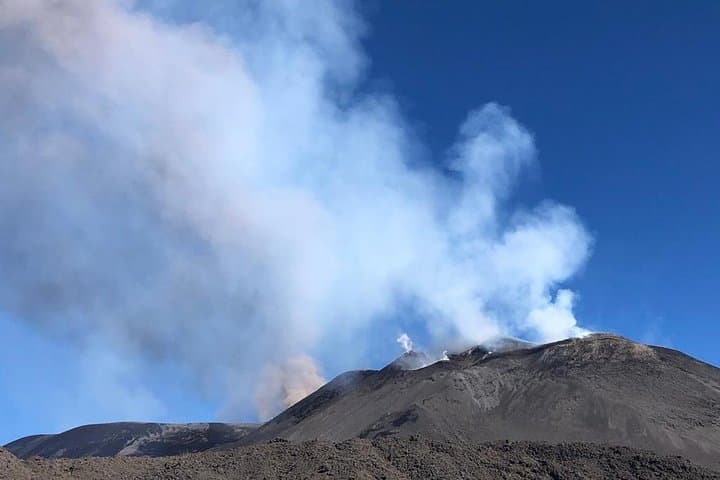
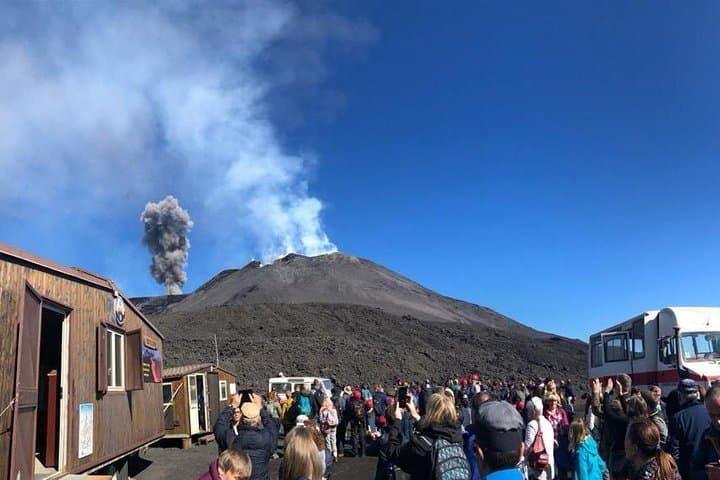
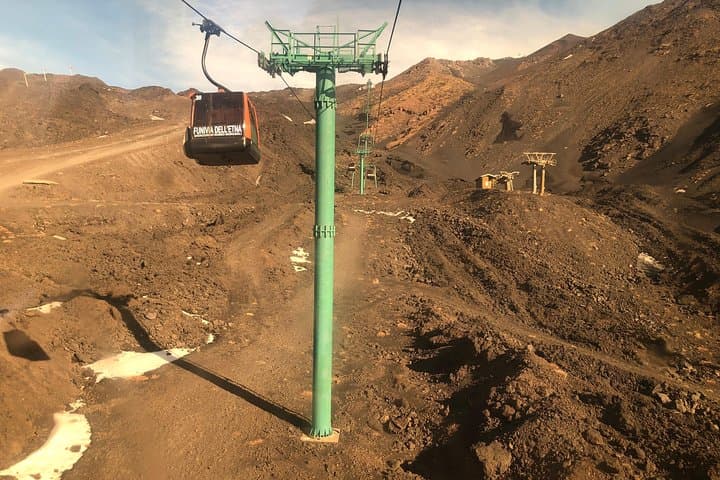
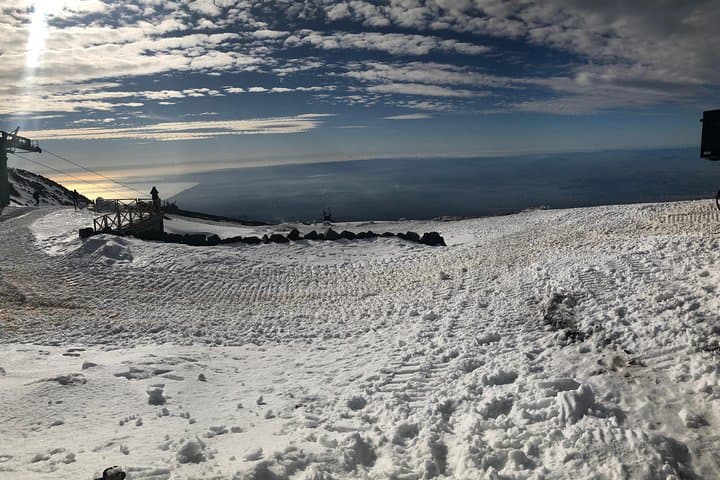
You step off the cable car into a thin, cool air where steam threads through cracked black rock and a sulfur tang pinches the back of your throat. The summit craters of Mount Etna are immediate and uncompromising—smoking cones, fresh ash, and a horizon scorched by lava flows that reroute the landscape.
You step off the cable car into a thin, cool air where steam threads through cracked black rock and a sulfur tang pinches the back of your throat. The summit craters of Mount Etna are immediate and uncompromising—smoking cones, fresh ash, and a horizon scorched by lava flows that reroute the landscape.
Etna is one of Europe's most active stratovolcanoes, shaped by centuries of eruptions (notably 1669 and the 1991/93 flow that reached Zafferana). The geology is raw: basaltic layers, pahoehoe and aa textures, and caves bored by molten rock. Culturally, the eastern slopes support beekeepers, vineyards and towns that make a living from the rich volcanic soils; Zafferana Etnea is famous for honey and pistachio products you’ll taste at the tour’s end.
Expect a mix of cable car ascent to 2,500 m and a 4x4 transfer to about 2,800 m, followed by a guided walk to view the 2002 craters and the smoking summit. The itinerary often includes a visit to a lava tube with helmets and torches provided. Trails are rocky and uneven, with loose ash and steep short sections.
Practical guide: bring sturdy boots, windproof layers and sun protection; temperatures can swing dramatically with altitude. If you’re sensitive to volcanic gases or have heart or pregnancy concerns, opt out of the high portion—there is a cable-car-only alternative. Stay with the volcanological guide, keep a respectful distance from fumaroles, and plan for 4–5 hours including transfers and tastings.