THE ADVENTURE COLLECTIVE® · Independent discovery and booking for outdoor travel

A ten-day private tour that stitches skydiving, sand dunes, fat biking and marine cruises into a single, high-energy loop from Windhoek to Swakopmund. Expect long drives, cold ocean mornings and game drives at a private reserve.
A ten-day private tour that stitches skydiving, sand dunes, fat biking and marine cruises into a single, high-energy loop from Windhoek to Swakopmund. Expect long drives, cold ocean mornings and game drives at a private reserve.
You step off the shuttle into Windhoek’s dry air and feel the itinerary press against your skin—skydives, sand dunes, salt pans and game drives stacked like cards.
Verified experiences and guided adventures in the surrounding area.
Operated by Junitas Extreme Adventures Namibia cc · Swakopmund, Erongo
You step off the shuttle into Windhoek’s dry air and feel the itinerary press against your skin—skydives, sand dunes, salt pans and game drives stacked like cards.
By mid-morning on day two you’re on the tarmac of the B1, the highway unfolding west for 380 km toward Swakopmund. The landscape shifts like a low tide: ochre hills give way to the pale, ribbed shoulders of the Namib dunes. In Swakopmund the ocean insists itself into the trip—cold wind, briny spray and a seaside town that still wears its German architecture like a stubborn coat.
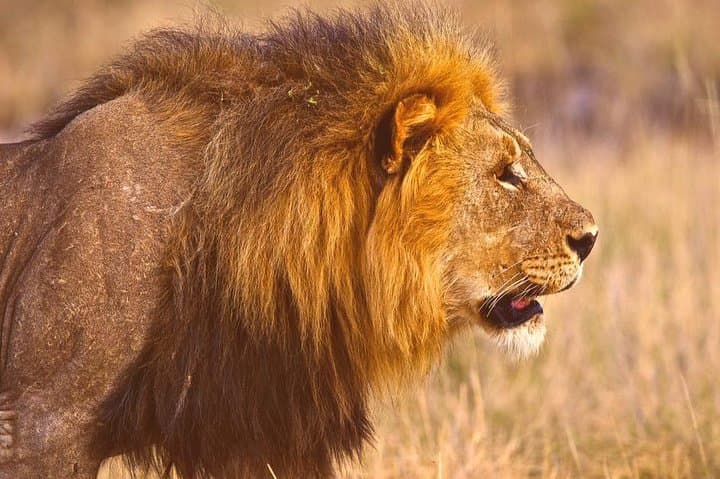
The safari moves at two different speeds: the slow patience of game drives at a private reserve where lions and springbok read the horizon, and the taut, breathless moments—skydiving out over the desert and fat-biking along ribbed sand—where the land dares you to keep up. The Marine-Dune combo stitches ocean life to desert geology; the Kuiseb river mouth and salt pans are the seam, where seabirds wheel and dunes encroach almost to the shore.
This region has deep lines of history. Swakopmund was laid out as a German colonial port in the late 19th century, its streets still geometric and deliberate. The Namib itself is among the oldest deserts on earth—wind-sculpted dunes that can be millions of years old—shaping not just the topography but the small desert specialists you’ll meet on the Living Desert tour.
Practically speaking: expect varied terrain and shifting temperatures. Windhoek sits at roughly 1,700 m elevation—cooler and dryer—while Swakopmund is sea-level and brisk. The 380 km road transfer takes about four to five hours with stops. Active days include a tandem skydive with footage, a full-day marine cruise and 4x4 trip into Sandwich Harbour and the lower Kuiseb, adrenaline combo (quad biking + sandboarding), fat-bike rides and guided game drives at a private reserve.
Pack for contrast: layered clothing for cold ocean mornings and hot inland afternoons, sturdy shoes for short hikes and dune scrambling, a windproof jacket for open 4x4 crossings, and a small daypack for water, snacks and camera gear. Dawn is the best time for wildlife and dune light; afternoons are made for brisk ocean cruises and action sports.
This is a private tour that requires two people to operate and runs hard—both physically and logistically—so book with clear flight details and travel insurance. If you want an itinerary that stitches high-adrenaline moments to slow, watchful wildlife hours and coastal calm, this ten-day loop from Windhoek to the Atlantic delivers with uncompromising pace.
challenging.
10 days.
Good aerobic fitness and core strength recommended for sandboarding, fat-biking and quad biking; able to handle long vehicle transfers and full-day excursions.
The direct drive is about 380 km and typically takes four to five hours including a short stop; plan for longer with traffic or photo stops.
The itinerary uses tandem jumps with professional instructors and includes video footage; medical restrictions or weight limits may apply—confirm with the operator.
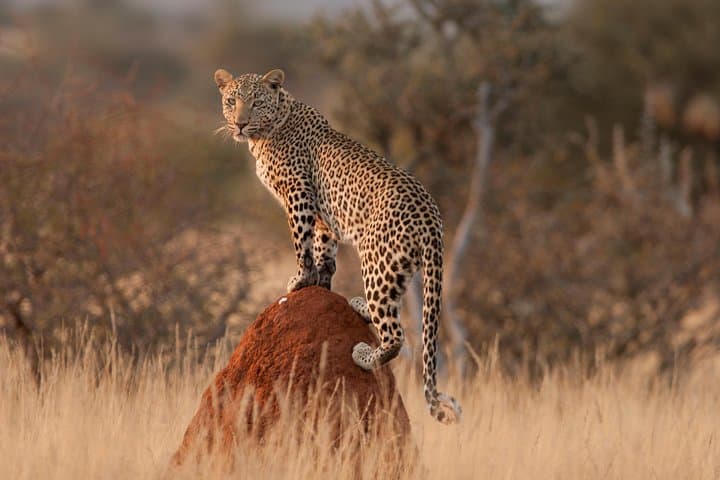
Typical sightings include springbok, oryx (gemsbok), zebra, kudu and occasionally predators like lion or hyena depending on the reserve and season.
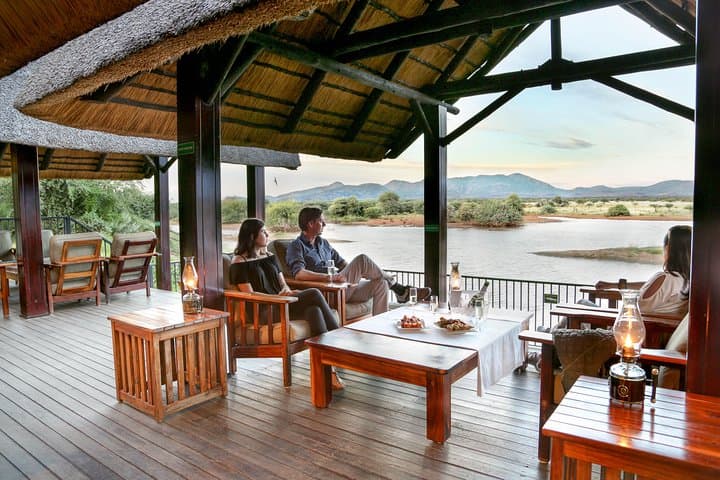
Yes—accommodations and meals are included per the itinerary: guesthouses in Swakopmund, lodge nights near Windhoek and full board at the private game reserve.
The tour is marked suitable for various fitness levels but children must be accompanied by adults; some high-adrenal activities like skydiving and quad biking have age limits.
Yes—the Extreme Silver Safari operates as a private tour but requires a minimum of two people per booking.
Swakopmund was developed as a German colonial port in the late 19th century; its architecture and layout still reflect that era, while inland Windhoek developed as a transport and administrative hub at higher elevation.
The Namib is fragile—stick to marked tracks during dune and 4x4 excursions and follow guide instructions to avoid disturbing endemic flora and the small desert fauna.
Junitas Extreme Adventures Namibia cc operates guided outdoor trips and adventures with an emphasis on safety, stewardship, and memorable experiences.
You step off the shuttle into Windhoek’s dry air and feel the itinerary press against your skin—skydives, sand dunes, salt pans and game drives stacked like cards.
You step off the shuttle into Windhoek’s dry air and feel the itinerary press against your skin—skydives, sand dunes, salt pans and game drives stacked like cards.
By mid-morning on day two you’re on the tarmac of the B1, the highway unfolding west for 380 km toward Swakopmund. The landscape shifts like a low tide: ochre hills give way to the pale, ribbed shoulders of the Namib dunes. In Swakopmund the ocean insists itself into the trip—cold wind, briny spray and a seaside town that still wears its German architecture like a stubborn coat.
The safari moves at two different speeds: the slow patience of game drives at a private reserve where lions and springbok read the horizon, and the taut, breathless moments—skydiving out over the desert and fat-biking along ribbed sand—where the land dares you to keep up. The Marine-Dune combo stitches ocean life to desert geology; the Kuiseb river mouth and salt pans are the seam, where seabirds wheel and dunes encroach almost to the shore.
This region has deep lines of history. Swakopmund was laid out as a German colonial port in the late 19th century, its streets still geometric and deliberate. The Namib itself is among the oldest deserts on earth—wind-sculpted dunes that can be millions of years old—shaping not just the topography but the small desert specialists you’ll meet on the Living Desert tour.
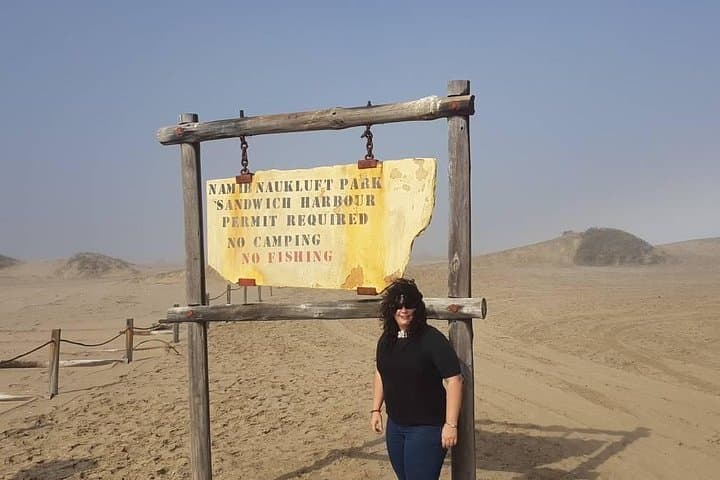
Practically speaking: expect varied terrain and shifting temperatures. Windhoek sits at roughly 1,700 m elevation—cooler and dryer—while Swakopmund is sea-level and brisk. The 380 km road transfer takes about four to five hours with stops. Active days include a tandem skydive with footage, a full-day marine cruise and 4x4 trip into Sandwich Harbour and the lower Kuiseb, adrenaline combo (quad biking + sandboarding), fat-bike rides and guided game drives at a private reserve.
Pack for contrast: layered clothing for cold ocean mornings and hot inland afternoons, sturdy shoes for short hikes and dune scrambling, a windproof jacket for open 4x4 crossings, and a small daypack for water, snacks and camera gear. Dawn is the best time for wildlife and dune light; afternoons are made for brisk ocean cruises and action sports.
This is a private tour that requires two people to operate and runs hard—both physically and logistically—so book with clear flight details and travel insurance. If you want an itinerary that stitches high-adrenaline moments to slow, watchful wildlife hours and coastal calm, this ten-day loop from Windhoek to the Atlantic delivers with uncompromising pace.