THE ADVENTURE COLLECTIVE® · Independent discovery and booking for outdoor travel

Line up your paddle and brace: Chifenti’s reach of the Serchio delivers short, technical rapids and slides that favor nimble edging and quick reads. This guided packraft run packs adrenaline into a tight, scenic stretch north of Lucca.
Line up your paddle and brace: Chifenti’s reach of the Serchio delivers short, technical rapids and slides that favor nimble edging and quick reads. This guided packraft run packs adrenaline into a tight, scenic stretch north of Lucca.
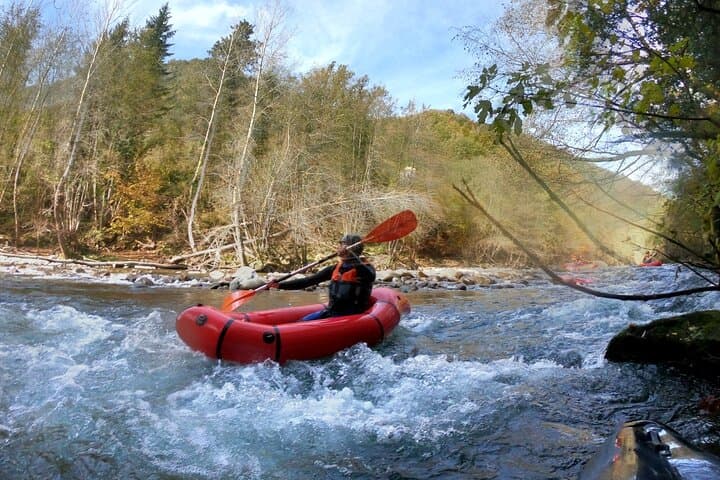
The river takes command before you do: a cold, gray ribbon that narrows and accelerates between ancient stone banks and broad-leaved trees. Guides at the rafting center hand over helmets and packrafts with efficient, unsentimental calm — the kind that says they know what the water will do. Within minutes you’re on Via del Brennero, engines humming toward the entry point, the guide running through strokes and safety checks with a tone that mixes instruction and quiet confidence.
Verified experiences and guided adventures in the surrounding area.
Operated by Lucca Rafting · Chifenti, Tuscany
The river takes command before you do: a cold, gray ribbon that narrows and accelerates between ancient stone banks and broad-leaved trees. Guides at the rafting center hand over helmets and packrafts with efficient, unsentimental calm — the kind that says they know what the water will do. Within minutes you’re on Via del Brennero, engines humming toward the entry point, the guide running through strokes and safety checks with a tone that mixes instruction and quiet confidence.
Chifenti sits on the Serchio, a river that has cut through the Tuscan Apennines for millennia. The channel here alternates between sluices and playful slides; at higher flows the rapids rear up into short, athletic drops that reward precise edging and commitment. Geologically, the corridor showcases folded sandstone and limestone, with small cascades churning over outcrops that once guided local mills and villages. Culturally, the valley is rural Tuscany — walnut trees, terraced plots and hamlets where shepherding and chestnut gathering remain part of the calendar.
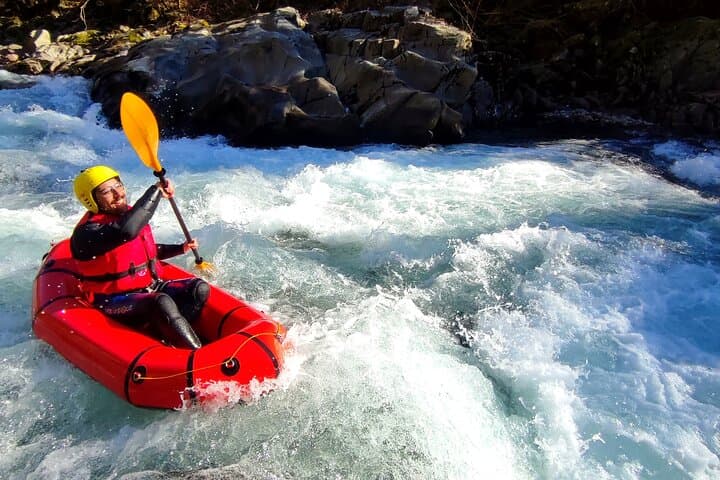
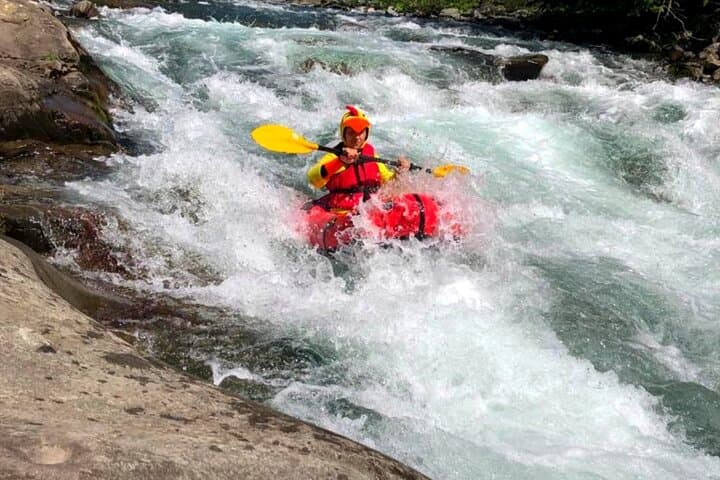
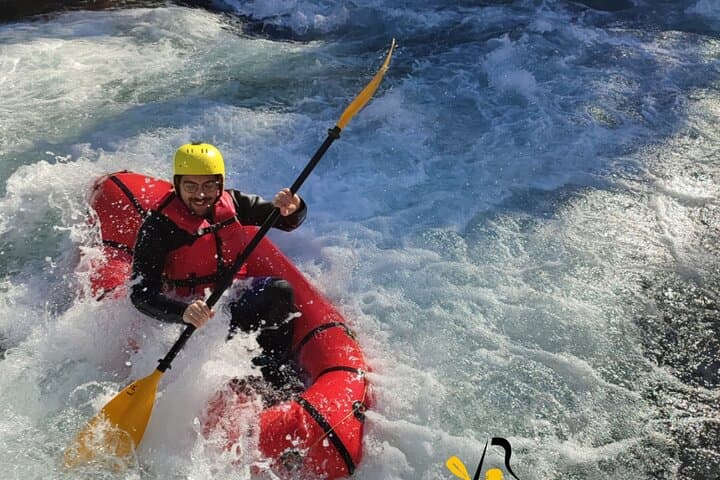
The tour is built for adrenaline without abandoning basics: wetsuit, helmet, life jacket and a packraft are provided, and guides photograph key moments so you don’t miss the rush. The route emphasizes technical sections where waves and current will test your balance, followed by calmer stretches that let you catch your breath and watch the river push and play. Expect read-and-react paddling: eddy turns, peel-outs and short ferrying to move from one rapid to the next.
Practical notes matter here. The full operation takes about 1.5–2 hours from meeting to return; on the water the active paddling window is shorter but intense. Participants should be comfortable swimming in moving water and able to follow verbal commands. Wear thermal layers under the provided wetsuit in spring and fall; in summer bring a neoprene top if the river is high. The company cancels in unsafe weather but keeps groups small enough for personalized coaching.
Plan your day around river conditions: early mornings often mean lower crowds and cleaner whitewater; late afternoon light gives the gorge a warm glow for photos. Leave valuables behind, towel off at the center, and consider a short stop in Lucca afterward for food and old-town cobbled streets. This is an active stretch of Tuscany: not pastoral postcard quiet, but a place where the river dares you forward and rewards the person who’s ready to lean in.
challenging.
1.5–2 hours.
Requires moderate to high cardiovascular fitness, core strength, and comfort in moving water
No prior whitewater experience is required, but participants should be comfortable swimming in moving water and able to follow guide instructions.
The company supplies a wetsuit, helmet, life jacket, packraft and paddle, plus guided instruction and photos of the run.
Minimum ages vary by operator; check booking requirements — children must be strong swimmers and meet age/weight restrictions.
Trips are canceled in unsafe conditions; the operator typically offers a full refund if they cancel due to weather or low water.
Meet at the rafting center on Via del Brennero north of Lucca; public transport options exist, but driving is easiest for gear and timing.
Most centers provide basic storage or vehicle parking; leave valuables in your accommodation and bring minimal items.
The Serchio valley has long supported small mills and mountain villages; the river shaped trade and agriculture routes connecting the Apennines to Lucca.
Operators promote low-impact practices: avoid littering, respect riparian plants and follow guide instructions to minimize disturbance to wildlife.
Lucca Rafting operates guided outdoor trips and adventures with an emphasis on safety, stewardship, and memorable experiences.
The river takes command before you do: a cold, gray ribbon that narrows and accelerates between ancient stone banks and broad-leaved trees. Guides at the rafting center hand over helmets and packrafts with efficient, unsentimental calm — the kind that says they know what the water will do. Within minutes you’re on Via del Brennero, engines humming toward the entry point, the guide running through strokes and safety checks with a tone that mixes instruction and quiet confidence.
The river takes command before you do: a cold, gray ribbon that narrows and accelerates between ancient stone banks and broad-leaved trees. Guides at the rafting center hand over helmets and packrafts with efficient, unsentimental calm — the kind that says they know what the water will do. Within minutes you’re on Via del Brennero, engines humming toward the entry point, the guide running through strokes and safety checks with a tone that mixes instruction and quiet confidence.
Chifenti sits on the Serchio, a river that has cut through the Tuscan Apennines for millennia. The channel here alternates between sluices and playful slides; at higher flows the rapids rear up into short, athletic drops that reward precise edging and commitment. Geologically, the corridor showcases folded sandstone and limestone, with small cascades churning over outcrops that once guided local mills and villages. Culturally, the valley is rural Tuscany — walnut trees, terraced plots and hamlets where shepherding and chestnut gathering remain part of the calendar.
The tour is built for adrenaline without abandoning basics: wetsuit, helmet, life jacket and a packraft are provided, and guides photograph key moments so you don’t miss the rush. The route emphasizes technical sections where waves and current will test your balance, followed by calmer stretches that let you catch your breath and watch the river push and play. Expect read-and-react paddling: eddy turns, peel-outs and short ferrying to move from one rapid to the next.
Practical notes matter here. The full operation takes about 1.5–2 hours from meeting to return; on the water the active paddling window is shorter but intense. Participants should be comfortable swimming in moving water and able to follow verbal commands. Wear thermal layers under the provided wetsuit in spring and fall; in summer bring a neoprene top if the river is high. The company cancels in unsafe weather but keeps groups small enough for personalized coaching.
Plan your day around river conditions: early mornings often mean lower crowds and cleaner whitewater; late afternoon light gives the gorge a warm glow for photos. Leave valuables behind, towel off at the center, and consider a short stop in Lucca afterward for food and old-town cobbled streets. This is an active stretch of Tuscany: not pastoral postcard quiet, but a place where the river dares you forward and rewards the person who’s ready to lean in.