THE ADVENTURE COLLECTIVE® · Independent discovery and booking for outdoor travel

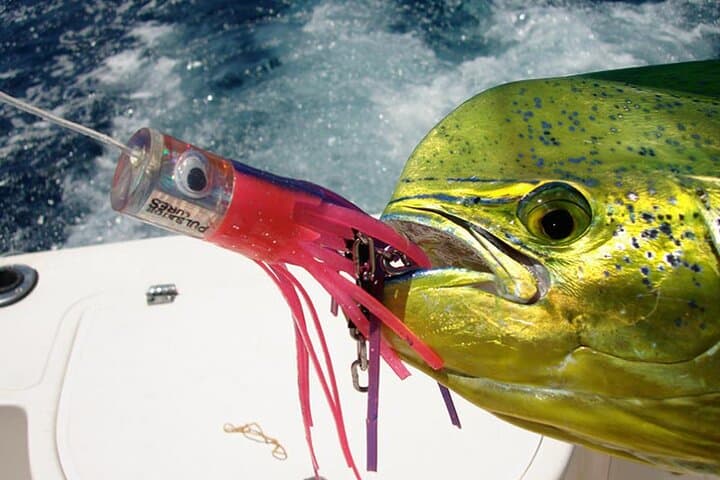
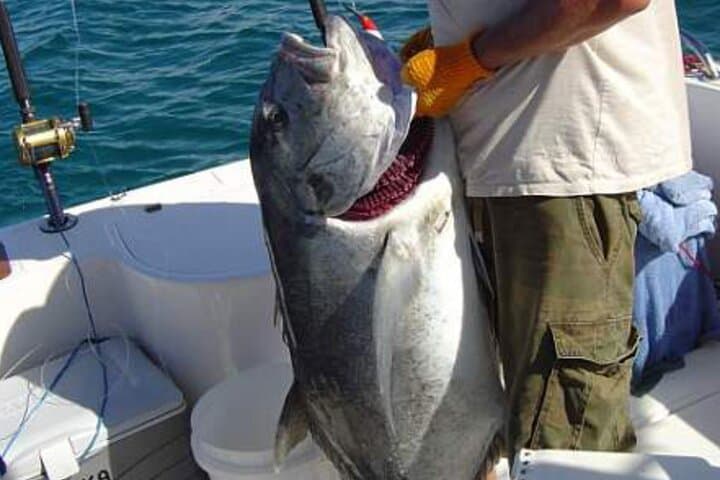
Head offshore from Stone Town aboard a 36-foot sportfisher for targeted big-game fishing in Zanzibar. Expect mahi-mahi, wahoo, barracuda and the occasional giant trevally on IGFA-grade tackle and a captain who knows these currents well.
Head offshore from Stone Town aboard a 36-foot sportfisher for targeted big-game fishing in Zanzibar. Expect mahi-mahi, wahoo, barracuda and the occasional giant trevally on IGFA-grade tackle and a captain who knows these currents well.
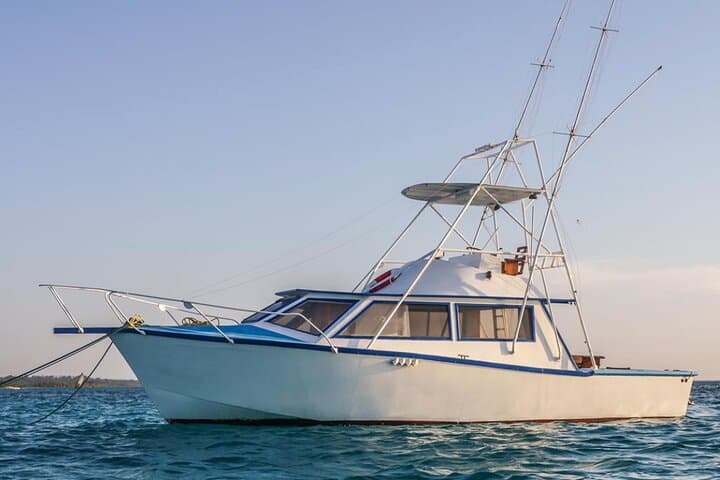
A salt wind cuts across the bow as the 36-foot sportfisher lifts off the swell. The twin Volvo Penta 360hp engines hum beneath your feet and the flybridge tower gives the captain a hawk’s-eye over a copper-sheen sea. Lines rattle; the captain points to a slick in the distance and the boat pivots, the promise of a powerful strike suddenly close enough to taste.
Verified experiences and guided adventures in the surrounding area.
Operated by Colors of Zanzibar · Zanzibar City (Stone Town), Zanzibar
A salt wind cuts across the bow as the 36-foot sportfisher lifts off the swell. The twin Volvo Penta 360hp engines hum beneath your feet and the flybridge tower gives the captain a hawk’s-eye over a copper-sheen sea. Lines rattle; the captain points to a slick in the distance and the boat pivots, the promise of a powerful strike suddenly close enough to taste.
Zanzibar’s waters sit where the warm Indian Ocean brushes the African shelf, creating currents and upwellings that concentrate baitfish and, in turn, predators. The archipelago’s fishing history mixes Omani dhows, Portuguese explorers, and the modern sportsfishing scene that brought anglers from Europe and East Africa to test tackle against wahoo, dorado (mahi-mahi), barracuda and occasional giant trevally. Locals still read currents and cloud shadows like maps, and captains running charters here combine coastal knowledge with IGFA-standard tackle to put you into fishable water fast.
The boat used for these charters is built for speed and stability: an 11-foot beam, flybridge tower for spotting birds and weed lines, outriggers and downriggers for trolling multiple baits, and a rack of Penn International rods and reels. Trips run roughly 5–6 hours but can push longer depending on the bite and how far offshore you want to go — productive grounds are commonly within 5–30 nautical miles of Stone Town.
Fishing in Zanzibar is often catch-and-release for sport, especially for record-class fish, but keeping a specimen is possible if you request it. Expect the physicality of big-game fights: 30–80 lb monofilament is recommended, and IGFA rigs are supplied. The operator includes bait, skipper, equipment hire, snacks and soft drinks; bring sun protection, motion-sickness remedies and any personal tackle you prefer.
Practicalities: pickup is offered from the airport or port with two-hour lead time before departure, and the operator requires a good level of fitness — fights can be long and the deck active during hookups. Safety equipment is modern, but sea conditions can change; trips may be canceled for rough weather. If you want to extend the day, plan for transport back into Stone Town’s narrow lanes and find a seaside café to swap photos and fillets over coconut rice.
For photographers and anglers alike, timing matters: look for early light, steady trade winds in mid-morning, and the sargassum lines that harbor bait. Respect local regulations and the ocean — Zanzibar’s fisheries are more sustainable when captains and anglers practice selective harvesting and careful handling. On a good day here, the ocean doesn’t just offer a fight; it invites an encounter you’ll remember long after the reels stop screaming.
challenging.
5–6 hours.
Good cardiovascular fitness and core strength recommended; expect long fights and moving around a pitching deck.
Most productive grounds are between 5 and 30 nautical miles from Stone Town; the captain will pick locations based on tide, wind and where bait is concentrated.
Yes — IGFA-standard Penn International rods and reels, outriggers, downriggers and bait are supplied; you may also use your own tackle.
Yes, but the operator notes the activity is physically demanding and not recommended for very young children or those with spine or heart issues.
Common targets are dorado (mahi-mahi), wahoo, barracuda and the occasional giant trevally; seasons affect abundance but many species are present year-round.
Charters typically cover necessary permits and will inform you if special paperwork is needed for keeping fish — confirm with the operator before departure.
Trips can be canceled for safety if seas are rough; the cancellation policy allows full refunds if canceled more than 24 hours in advance.
Zanzibar’s fishing heritage blends Omani and Swahili traditions; the islands have long been a crossroads for Indian Ocean seafarers and traders.
Many operators practice catch-and-release for trophy fish and advise selective harvesting to protect game species and reef ecosystems.
Colors of Zanzibar operates guided outdoor trips and adventures with an emphasis on safety, stewardship, and memorable experiences.
A salt wind cuts across the bow as the 36-foot sportfisher lifts off the swell. The twin Volvo Penta 360hp engines hum beneath your feet and the flybridge tower gives the captain a hawk’s-eye over a copper-sheen sea. Lines rattle; the captain points to a slick in the distance and the boat pivots, the promise of a powerful strike suddenly close enough to taste.
A salt wind cuts across the bow as the 36-foot sportfisher lifts off the swell. The twin Volvo Penta 360hp engines hum beneath your feet and the flybridge tower gives the captain a hawk’s-eye over a copper-sheen sea. Lines rattle; the captain points to a slick in the distance and the boat pivots, the promise of a powerful strike suddenly close enough to taste.
Zanzibar’s waters sit where the warm Indian Ocean brushes the African shelf, creating currents and upwellings that concentrate baitfish and, in turn, predators. The archipelago’s fishing history mixes Omani dhows, Portuguese explorers, and the modern sportsfishing scene that brought anglers from Europe and East Africa to test tackle against wahoo, dorado (mahi-mahi), barracuda and occasional giant trevally. Locals still read currents and cloud shadows like maps, and captains running charters here combine coastal knowledge with IGFA-standard tackle to put you into fishable water fast.
The boat used for these charters is built for speed and stability: an 11-foot beam, flybridge tower for spotting birds and weed lines, outriggers and downriggers for trolling multiple baits, and a rack of Penn International rods and reels. Trips run roughly 5–6 hours but can push longer depending on the bite and how far offshore you want to go — productive grounds are commonly within 5–30 nautical miles of Stone Town.
Fishing in Zanzibar is often catch-and-release for sport, especially for record-class fish, but keeping a specimen is possible if you request it. Expect the physicality of big-game fights: 30–80 lb monofilament is recommended, and IGFA rigs are supplied. The operator includes bait, skipper, equipment hire, snacks and soft drinks; bring sun protection, motion-sickness remedies and any personal tackle you prefer.
Practicalities: pickup is offered from the airport or port with two-hour lead time before departure, and the operator requires a good level of fitness — fights can be long and the deck active during hookups. Safety equipment is modern, but sea conditions can change; trips may be canceled for rough weather. If you want to extend the day, plan for transport back into Stone Town’s narrow lanes and find a seaside café to swap photos and fillets over coconut rice.
For photographers and anglers alike, timing matters: look for early light, steady trade winds in mid-morning, and the sargassum lines that harbor bait. Respect local regulations and the ocean — Zanzibar’s fisheries are more sustainable when captains and anglers practice selective harvesting and careful handling. On a good day here, the ocean doesn’t just offer a fight; it invites an encounter you’ll remember long after the reels stop screaming.