THE ADVENTURE COLLECTIVE® · Independent discovery and booking for outdoor travel

Enter a sealed world beneath the Jelovica Plateau: a guided, rope‑assisted caving trip from Lake Bled that takes small groups into 50‑metre galleries, calcite formations, and narrow chimneys. Expect technical instruction, slippery rock, and an intimate encounter with karst geology.
Enter a sealed world beneath the Jelovica Plateau: a guided, rope‑assisted caving trip from Lake Bled that takes small groups into 50‑metre galleries, calcite formations, and narrow chimneys. Expect technical instruction, slippery rock, and an intimate encounter with karst geology.
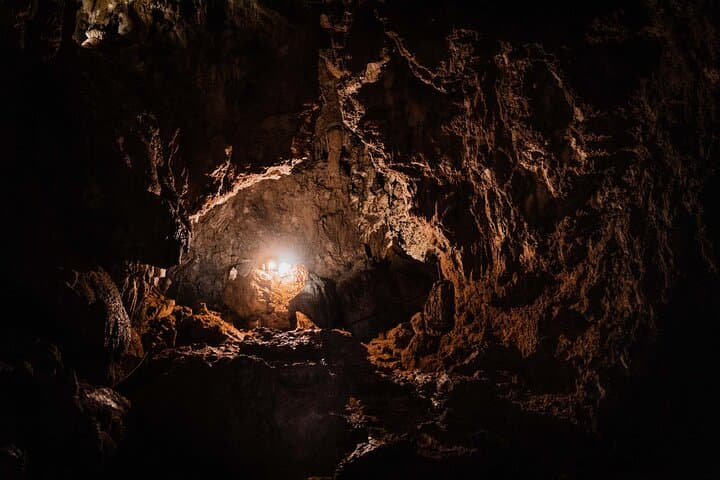
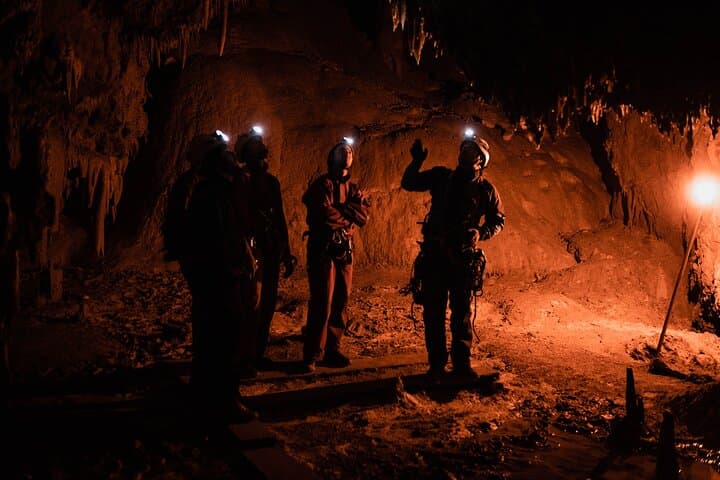
The throat of the cave takes you before you have a chance to think twice — a low, damp rim opening under a spruce-shadowed lip on the north‑west edge of the Jelovica Plateau. Helmets click as lamps bloom into cones; the first light reveals calcite crystals that wink like handfuls of glass. Guides voice the plan: a one‑hour walk through the forest, then ropes, then the 50‑metre underground gallery where the world above slips away and the slow work of stone becomes immediate.
Verified experiences and guided adventures in the surrounding area.
Operated by Slovenia Activities · Bled, Upper Carniola
The throat of the cave takes you before you have a chance to think twice — a low, damp rim opening under a spruce-shadowed lip on the north‑west edge of the Jelovica Plateau. Helmets click as lamps bloom into cones; the first light reveals calcite crystals that wink like handfuls of glass. Guides voice the plan: a one‑hour walk through the forest, then ropes, then the 50‑metre underground gallery where the world above slips away and the slow work of stone becomes immediate.
Slovenia’s karst is patient. Over millions of years, water threaded fissures through Triassic limestone, carving chambers and narrow chimneys that now invite human explorers. The Jelovica Plateau is geologically connected to the broader Dinaric karst, the maze of voids and underground rivers that made this part of the Alps as interesting as its peaks. Locals learned to read caves the way others read weather — as landscape written in slow motion — and guiding here is a craft that blends mountaineering competency with speleological caution.
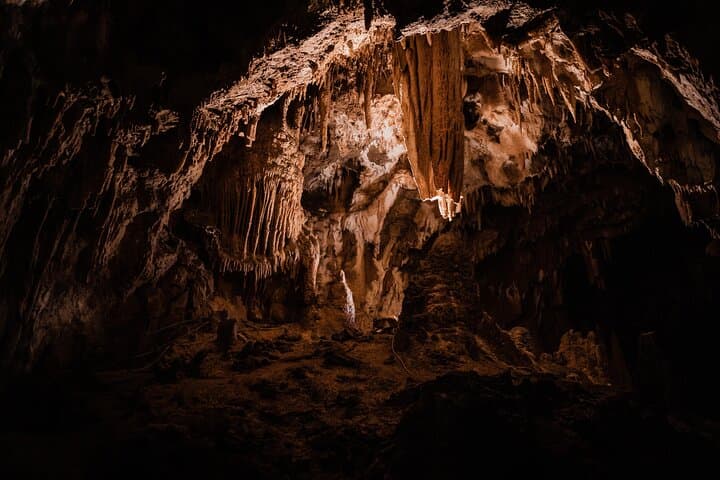
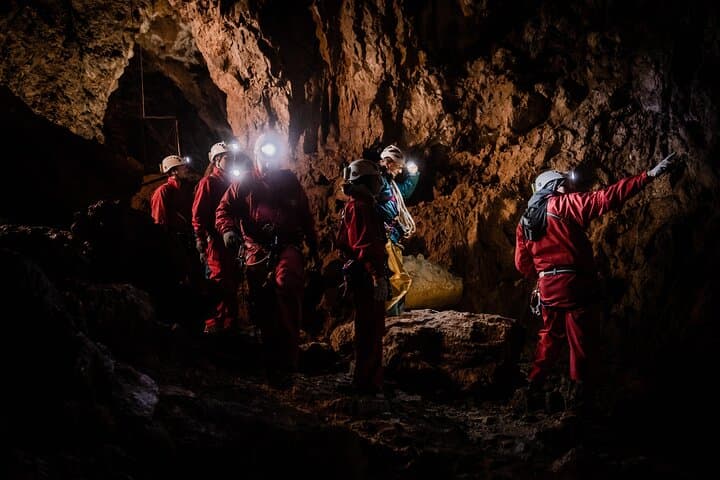
This is not a tourist show cave. The itinerary sends small groups into sections closed to mass tourism: tight squeezes, damp climbs, and rope-descended chimneys. You’ll scale walls and dangle over an abyss, testing basic rope techniques taught by qualified guides. Along the way the cave shows off: snail‑shaped dripstone formations, delicate flowstone, and narrow passages where your lamp reveals the micro-ecosystem of cave beetles and the occasional roosting bat.
Practical reality balances romance. The walk to the entrance is roughly an hour through unmarked forest trails — expect uneven footing and mud in wet months. The subterranean section involves a controlled 50‑metre descent and scrambling on wet, slippery rock; guides fit harnesses and manage belays, but participants should be comfortable with confined spaces and exertion. The full experience runs about three hours from meeting at Lake Bled’s main bus station; groups cap at four to limit environmental impact and keep safety tight.
Safety and stewardship go hand in hand. Avoid touching formations, keep noise low to protect bat roosts, and follow guide instructions for rope techniques and movement. Wear sturdy, ankle‑supporting boots, a durable base layer, and bring a small pack with water — you’ll be glad of the extra grip and warmth underground.
For those who want more than an adrenaline hit, the approach offers its own rewards: mossy glades, ancient spruce, and views back down to Lake Bled if you look up between breaths. The trip is an intense, intimate way to meet Slovenia’s hidden geomorphology — a place where geology does the talking and the light you carry frames the story.
challenging.
3 hours.
Moderate to good fitness; comfortable with scrambling, stair‑type climbs and vertical rope-assisted sections.
No. Guides teach basic rope techniques and lead every technical move; however, you should be comfortable with scrambling and confined spaces.
Not recommended for people with spinal injuries, serious heart problems, or pregnant travelers; participants should have at least moderate fitness.
Meet in front of the main bus station at Lake Bled; expect about a one‑hour walk through the forest to the cave entrance.
Yes—guides provide helmets with lamps, safety clothing, harnesses, and ropes; bringing personal gloves and boots is advised.
Groups are small—maximum four participants—to maintain safety and minimize environmental impact.
All sales are final but the operator may cancel for bad weather or insufficient travelers; check booking terms for details.
The caves around the Jelovica Plateau are part of the Dinaric karst system; their passages formed as acidic water dissolved Triassic limestone over millennia, creating the underground chambers seen today.
Cave formations are fragile and nonrenewable; small group sizes, no‑touch policies, and controlled lighting reduce impact on formations and bat populations.
Slovenia Activities operates guided outdoor trips and adventures with an emphasis on safety, stewardship, and memorable experiences.
The throat of the cave takes you before you have a chance to think twice — a low, damp rim opening under a spruce-shadowed lip on the north‑west edge of the Jelovica Plateau. Helmets click as lamps bloom into cones; the first light reveals calcite crystals that wink like handfuls of glass. Guides voice the plan: a one‑hour walk through the forest, then ropes, then the 50‑metre underground gallery where the world above slips away and the slow work of stone becomes immediate.
The throat of the cave takes you before you have a chance to think twice — a low, damp rim opening under a spruce-shadowed lip on the north‑west edge of the Jelovica Plateau. Helmets click as lamps bloom into cones; the first light reveals calcite crystals that wink like handfuls of glass. Guides voice the plan: a one‑hour walk through the forest, then ropes, then the 50‑metre underground gallery where the world above slips away and the slow work of stone becomes immediate.
Slovenia’s karst is patient. Over millions of years, water threaded fissures through Triassic limestone, carving chambers and narrow chimneys that now invite human explorers. The Jelovica Plateau is geologically connected to the broader Dinaric karst, the maze of voids and underground rivers that made this part of the Alps as interesting as its peaks. Locals learned to read caves the way others read weather — as landscape written in slow motion — and guiding here is a craft that blends mountaineering competency with speleological caution.
This is not a tourist show cave. The itinerary sends small groups into sections closed to mass tourism: tight squeezes, damp climbs, and rope-descended chimneys. You’ll scale walls and dangle over an abyss, testing basic rope techniques taught by qualified guides. Along the way the cave shows off: snail‑shaped dripstone formations, delicate flowstone, and narrow passages where your lamp reveals the micro-ecosystem of cave beetles and the occasional roosting bat.
Practical reality balances romance. The walk to the entrance is roughly an hour through unmarked forest trails — expect uneven footing and mud in wet months. The subterranean section involves a controlled 50‑metre descent and scrambling on wet, slippery rock; guides fit harnesses and manage belays, but participants should be comfortable with confined spaces and exertion. The full experience runs about three hours from meeting at Lake Bled’s main bus station; groups cap at four to limit environmental impact and keep safety tight.
Safety and stewardship go hand in hand. Avoid touching formations, keep noise low to protect bat roosts, and follow guide instructions for rope techniques and movement. Wear sturdy, ankle‑supporting boots, a durable base layer, and bring a small pack with water — you’ll be glad of the extra grip and warmth underground.
For those who want more than an adrenaline hit, the approach offers its own rewards: mossy glades, ancient spruce, and views back down to Lake Bled if you look up between breaths. The trip is an intense, intimate way to meet Slovenia’s hidden geomorphology — a place where geology does the talking and the light you carry frames the story.