THE ADVENTURE COLLECTIVE® · Independent discovery and booking for outdoor travel

Rappel into a narrow Norwegian gorge, slide down polished rock and plunge into deep pools on a guided canyoning route near Geilo. This full-on Dagali experience blends technical rope work with raw mountain rivers—ideal for strong, adventurous travelers.
Rappel into a narrow Norwegian gorge, slide down polished rock and plunge into deep pools on a guided canyoning route near Geilo. This full-on Dagali experience blends technical rope work with raw mountain rivers—ideal for strong, adventurous travelers.
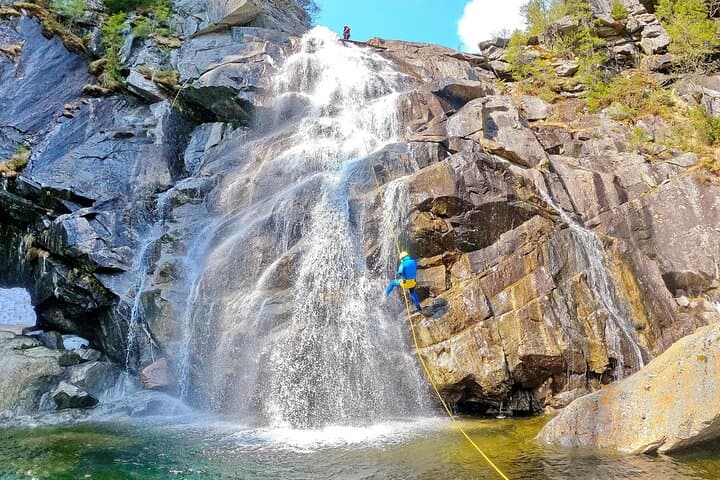
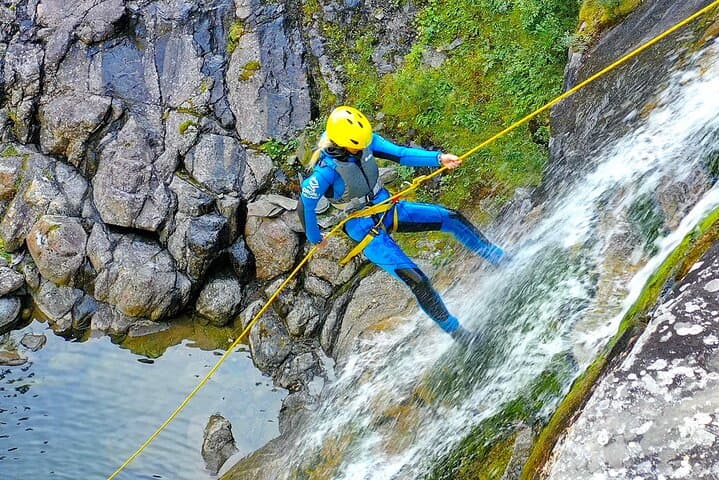
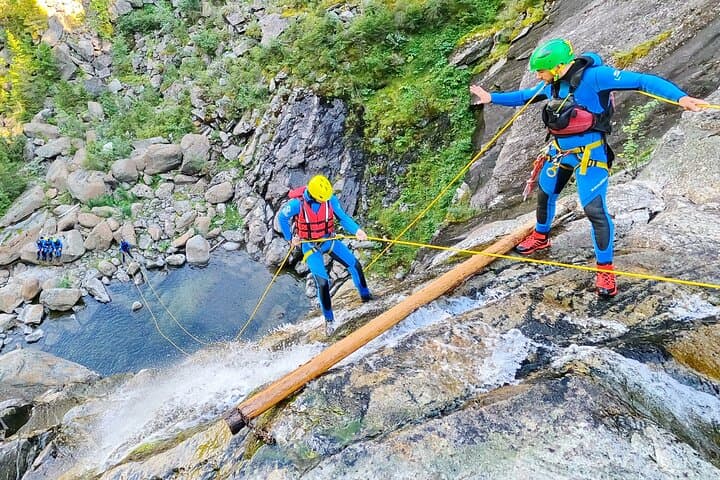
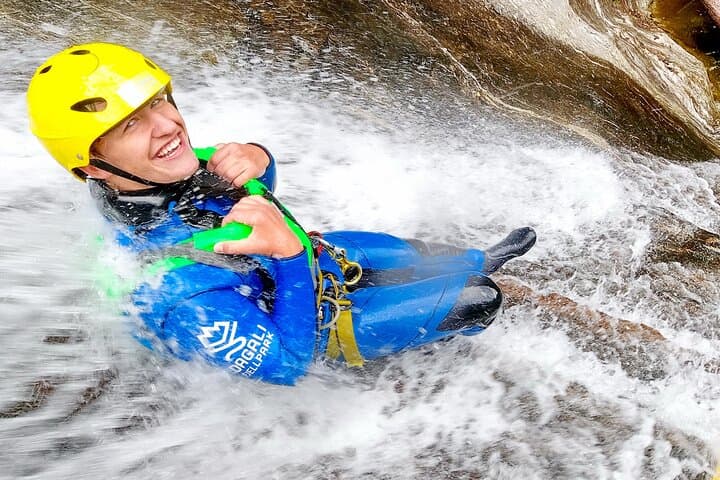
The canyon opens like a carved throat: dark basalt walls slick with moss, a silver seam of water sliding and then collapsing into foam. You clip in, feel the rope take your weight, and the guide counts you down—then the waterfall takes over. Cold spray punctures the neoprene; the stone underfoot is polished smooth by centuries of driven water. For the next few hours the gorge dictates your pace: drop, scramble, slide, and swim your way through sections that are inaccessible by foot alone.
Verified experiences and guided adventures in the surrounding area.
Operated by Dagali Fjellpark · Dagali, Viken
The canyon opens like a carved throat: dark basalt walls slick with moss, a silver seam of water sliding and then collapsing into foam. You clip in, feel the rope take your weight, and the guide counts you down—then the waterfall takes over. Cold spray punctures the neoprene; the stone underfoot is polished smooth by centuries of driven water. For the next few hours the gorge dictates your pace: drop, scramble, slide, and swim your way through sections that are inaccessible by foot alone.
This is not a scenic stroll. The Dagali canyons are the work of ice and meltwater—glacial melt carved narrow gorges and left giant's kettles where vortices ground holes into the bedrock. The rock here is a mix of hard gneiss and fractured schist, creating pinched rapids and slick natural slides. Human presence in Hol municipality goes back to seasonal mountain farms and timber routes; today, canyoning threads a modern, technical layer through landscapes once traversed by packhorses and rafters.
Guides run you through a safety briefing at Dagali Fjellpark, kit you out in neoprene and helmets, then shuttle the group to the canyon. The FULL ON route covers roughly a 1,500-meter canyon stretch with about 180 meters of vertical movement across rappels, slides and jumps. Expect plunges into pools up to 4 meters deep, narrow squeezes and smooth down-slopes where gravity becomes a friendly conveyor.
Practicalities are straightforward but strict. Minimum age is 16 and harness capacity tops out near 120 kg—check sizing if you’re close to limits. You should be a confident swimmer and in strong aerobic shape: routes last between three and six hours depending on pace and weather. Wetsuits and neoprene shoes are provided, but bring thermal base layers for extra warmth and a big towel for the post-trip change.
Safety first: guides lead every rappel and choose jump sites conservatively. If the weather turns or water levels surge, trips are canceled for safety. The base snack—hot dogs and salad—hits hard after cold exposure and keeps energy up for the shuttle back.
For photos, aim for action frames at the top of rappels and low-angle shots from the canyon lip; overcast skies and late-afternoon light soften contrasts. Leave no trace: pack out wrappers, avoid trampling riparian plants, and follow guide instructions to minimize erosion and disturbance to spawning fish.
If you crave a technical day in raw Nordic landscape—where river and rock insist you pay attention—this Dagali canyoning route delivers. It’s fast, physical, and exacting, but guided properly it’s one of the most direct ways to feel how water sculpts the mountains here.
challenging.
3–6 hours.
Good to excellent cardiovascular fitness and core strength; comfortable swimming skills required.
Minimum age is 16; harness load capacity is up to approximately 120 kg—contact the operator if you need equipment for a waist circumference over 115 cm.
No formal certifications required, but prior rappelling experience and strong swimming ability are helpful and recommended.
Water is alpine-cold; a full wetsuit, neoprene shoes and optional thermal base layers are provided or recommended for extra warmth.
Trips are canceled for unsafe water levels or severe weather; full refunds are available if canceled at least 24 hours prior or by the operator for safety reasons.
Yes—Dagali Fjellpark has reception facilities for briefings, changing into neoprene, and post-trip cleanup.
Guides are trained in rope rescue and first aid; they carry communication equipment and will adjust or abort the route for safety concerns.
The canyons were shaped by glacial melt and post-glacial rivers; Hol’s mountain farms and timber routes historically connected settlements across the high valley.
Operators follow leave-no-trace principles; avoid disturbing riparian vegetation and pack out all waste to protect spawning fish and fragile mosses.
Dagali Fjellpark operates guided outdoor trips and adventures with an emphasis on safety, stewardship, and memorable experiences.
The canyon opens like a carved throat: dark basalt walls slick with moss, a silver seam of water sliding and then collapsing into foam. You clip in, feel the rope take your weight, and the guide counts you down—then the waterfall takes over. Cold spray punctures the neoprene; the stone underfoot is polished smooth by centuries of driven water. For the next few hours the gorge dictates your pace: drop, scramble, slide, and swim your way through sections that are inaccessible by foot alone.
The canyon opens like a carved throat: dark basalt walls slick with moss, a silver seam of water sliding and then collapsing into foam. You clip in, feel the rope take your weight, and the guide counts you down—then the waterfall takes over. Cold spray punctures the neoprene; the stone underfoot is polished smooth by centuries of driven water. For the next few hours the gorge dictates your pace: drop, scramble, slide, and swim your way through sections that are inaccessible by foot alone.
This is not a scenic stroll. The Dagali canyons are the work of ice and meltwater—glacial melt carved narrow gorges and left giant's kettles where vortices ground holes into the bedrock. The rock here is a mix of hard gneiss and fractured schist, creating pinched rapids and slick natural slides. Human presence in Hol municipality goes back to seasonal mountain farms and timber routes; today, canyoning threads a modern, technical layer through landscapes once traversed by packhorses and rafters.
Guides run you through a safety briefing at Dagali Fjellpark, kit you out in neoprene and helmets, then shuttle the group to the canyon. The FULL ON route covers roughly a 1,500-meter canyon stretch with about 180 meters of vertical movement across rappels, slides and jumps. Expect plunges into pools up to 4 meters deep, narrow squeezes and smooth down-slopes where gravity becomes a friendly conveyor.
Practicalities are straightforward but strict. Minimum age is 16 and harness capacity tops out near 120 kg—check sizing if you’re close to limits. You should be a confident swimmer and in strong aerobic shape: routes last between three and six hours depending on pace and weather. Wetsuits and neoprene shoes are provided, but bring thermal base layers for extra warmth and a big towel for the post-trip change.
Safety first: guides lead every rappel and choose jump sites conservatively. If the weather turns or water levels surge, trips are canceled for safety. The base snack—hot dogs and salad—hits hard after cold exposure and keeps energy up for the shuttle back.
For photos, aim for action frames at the top of rappels and low-angle shots from the canyon lip; overcast skies and late-afternoon light soften contrasts. Leave no trace: pack out wrappers, avoid trampling riparian plants, and follow guide instructions to minimize erosion and disturbance to spawning fish.
If you crave a technical day in raw Nordic landscape—where river and rock insist you pay attention—this Dagali canyoning route delivers. It’s fast, physical, and exacting, but guided properly it’s one of the most direct ways to feel how water sculpts the mountains here.