THE ADVENTURE COLLECTIVE® · Independent discovery and booking for outdoor travel

Half a day of tight river gorges, multi-pitch rappels, hot thermal pools and a post-adventure coffee cupping in Santa Teresa. This canyoning trip blends technical descent with a local coffee immersion in Peru’s high jungle.
Half a day of tight river gorges, multi-pitch rappels, hot thermal pools and a post-adventure coffee cupping in Santa Teresa. This canyoning trip blends technical descent with a local coffee immersion in Peru’s high jungle.
You step off the minivan and the valley exhales: warm, humid air scented with wet earth and fresh coffee. The river below is not polite about its course — it carves and rushes, daring you into narrow channels and polished rock bowls. Over the next four hours you move with guides, ropes, and a coffee cupping at the end that explains why the high jungle's beans taste like sunlight and smoke.
Verified experiences and guided adventures in the surrounding area.
Operated by Vertikal Zipline · Santa Teresa, Cusco
You step off the minivan and the valley exhales: warm, humid air scented with wet earth and fresh coffee. The river below is not polite about its course — it carves and rushes, daring you into narrow channels and polished rock bowls. Over the next four hours you move with guides, ropes, and a coffee cupping at the end that explains why the high jungle's beans taste like sunlight and smoke.
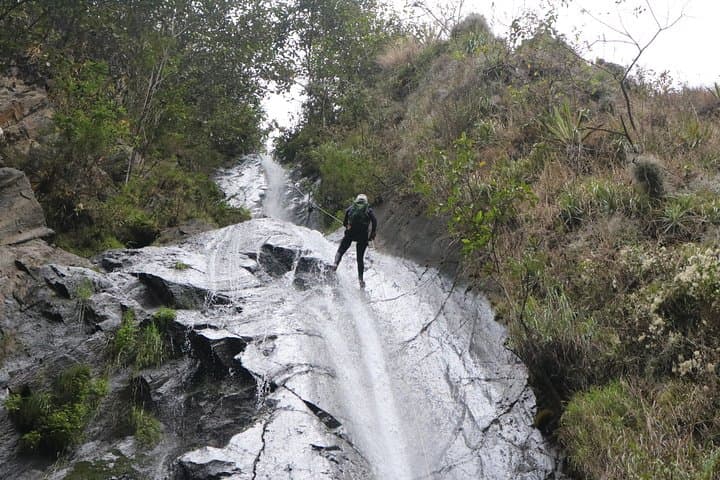
The route here belongs to the eastern shoulders of the Andes, where river gorges slice into volcanic rock and cloud forest climbs the slopes above. Santa Teresa sits roughly 1,500–1,700 m above sea level; this half-day trip commonly includes an approach trail of 20–40 minutes, about 3–4 km of canyon travel with a cumulative rappelled descent near 150–250 m, and several technical sections — narrow chimneys, water slides, and a single rappel that can be up to ~25 m depending on water levels.
This stretch of the Sacred Valley region is defined by two histories: indigenous Quechua agricultural practices and a later push for coffee cultivation when migrants realized the east-facing microclimates produced distinctly bright, aromatic beans. The canyon’s geology — layered andesite and tuff from ancient volcanic activity — creates the polished, amphitheater-like drops that canyoners favor. Culturally, the experience pairs adrenaline with local hospitality: your guides are often from nearby communities and will translate both safety commands and stories about last year’s floods or the harvest.
Expect wet rock that thinks it’s smooth, narrow slots that test your balance, and sudden pools that make you grateful for a snug helmet. The trip includes safety gear and a full briefing; you’ll end it in thermal pools where water ranges from about 28–45°C depending on the basin.
Practical guidance: aim for dry season months (May–September) for easier rappels and lower, clearer water; wet season increases difficulty and risk. Wear sturdy, closed-toe shoes with aggressive tread and fast-draining synthetic clothing — neoprene socks add warmth if the river is cold. Bring a small dry bag for essentials, a camera you can secure, and a waterproof shell for post-canyon warmth.
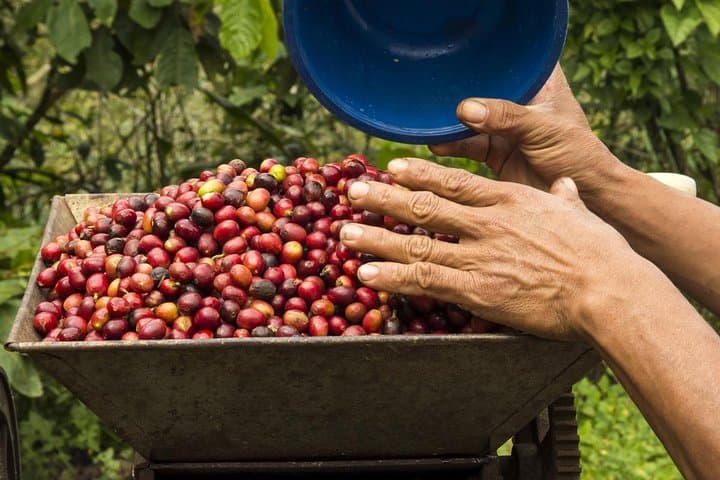
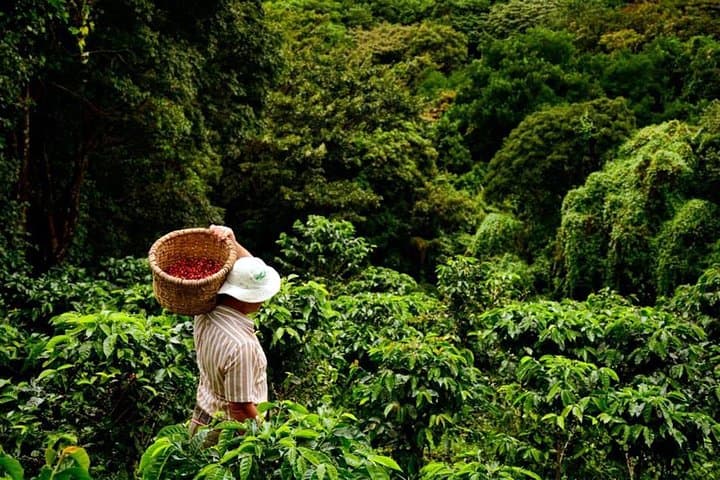
Fitness matters: you’ll scramble, step across boulders, and control your descent under load. Guides provide rope systems and instruction, but a basic familiarity with rappelling and comfort with exposure will make the day smoother. After the final rinse, the coffee cupping grounds the experience: a local farmer explains bean selection and processing while you taste citrus-acid beans warmed by high-altitude sun.
This is not a casual stroll — it’s a tight, noisy negotiation with water and rock that rewards technical attention, quick feet, and a willingness to leave the ordinary behind for a half-day of controlled risk and bright coffee.
challenging.
4 hours.
Good cardiovascular fitness and leg strength; must be comfortable with exposure, scrambling, and controlled rappelling.
Expect a demanding half-day with scrambling, multiple rappels and wet sections; travelers should have moderate to strong fitness and be comfortable with exposure.
No — guides provide instruction and safety systems, but basic comfort with ropes and heights is recommended for a smooth experience.
Rappels on this route are commonly up to about 20–25 meters for a single pitch, with cumulative descent around 150–250 meters over the canyon sections.
Yes — you will encounter pools and slides. Quick-dry clothing and provided wetsuits or neoprene socks (depending on conditions) help; thermal pools at the end warm you up.
The operator restricts travelers with recent spinal or heart problems and pregnant guests; weight and height information is collected at booking to ensure harness fit and safety.
Trips can be canceled for heavy rain or dangerous river conditions; the operator may refund full cost if canceled 24+ hours prior or due to bad weather.
Santa Teresa and the surrounding high jungle shifted from subsistence farming to specialty coffee in the late 20th century, driven by microclimate recognition and smallholder cooperatives.
The cloud forest and canyon ecosystems are fragile; stay on marked routes, pack out trash, and support guides who use low-impact practices and local hiring.
Vertikal Zipline operates guided outdoor trips and adventures with an emphasis on safety, stewardship, and memorable experiences.
You step off the minivan and the valley exhales: warm, humid air scented with wet earth and fresh coffee. The river below is not polite about its course — it carves and rushes, daring you into narrow channels and polished rock bowls. Over the next four hours you move with guides, ropes, and a coffee cupping at the end that explains why the high jungle's beans taste like sunlight and smoke.
You step off the minivan and the valley exhales: warm, humid air scented with wet earth and fresh coffee. The river below is not polite about its course — it carves and rushes, daring you into narrow channels and polished rock bowls. Over the next four hours you move with guides, ropes, and a coffee cupping at the end that explains why the high jungle's beans taste like sunlight and smoke.
The route here belongs to the eastern shoulders of the Andes, where river gorges slice into volcanic rock and cloud forest climbs the slopes above. Santa Teresa sits roughly 1,500–1,700 m above sea level; this half-day trip commonly includes an approach trail of 20–40 minutes, about 3–4 km of canyon travel with a cumulative rappelled descent near 150–250 m, and several technical sections — narrow chimneys, water slides, and a single rappel that can be up to ~25 m depending on water levels.
This stretch of the Sacred Valley region is defined by two histories: indigenous Quechua agricultural practices and a later push for coffee cultivation when migrants realized the east-facing microclimates produced distinctly bright, aromatic beans. The canyon’s geology — layered andesite and tuff from ancient volcanic activity — creates the polished, amphitheater-like drops that canyoners favor. Culturally, the experience pairs adrenaline with local hospitality: your guides are often from nearby communities and will translate both safety commands and stories about last year’s floods or the harvest.
Expect wet rock that thinks it’s smooth, narrow slots that test your balance, and sudden pools that make you grateful for a snug helmet. The trip includes safety gear and a full briefing; you’ll end it in thermal pools where water ranges from about 28–45°C depending on the basin.
Practical guidance: aim for dry season months (May–September) for easier rappels and lower, clearer water; wet season increases difficulty and risk. Wear sturdy, closed-toe shoes with aggressive tread and fast-draining synthetic clothing — neoprene socks add warmth if the river is cold. Bring a small dry bag for essentials, a camera you can secure, and a waterproof shell for post-canyon warmth.
Fitness matters: you’ll scramble, step across boulders, and control your descent under load. Guides provide rope systems and instruction, but a basic familiarity with rappelling and comfort with exposure will make the day smoother. After the final rinse, the coffee cupping grounds the experience: a local farmer explains bean selection and processing while you taste citrus-acid beans warmed by high-altitude sun.
This is not a casual stroll — it’s a tight, noisy negotiation with water and rock that rewards technical attention, quick feet, and a willingness to leave the ordinary behind for a half-day of controlled risk and bright coffee.