THE ADVENTURE COLLECTIVE® · Independent discovery and booking for outdoor travel

Drive across farm tracks, jump out onto Macao Beach for a swim, cool off in an underground cave and visit a working cocoa and coffee farm—all in one compact, four-hour buggy safari from Punta Cana.
Drive across farm tracks, jump out onto Macao Beach for a swim, cool off in an underground cave and visit a working cocoa and coffee farm—all in one compact, four-hour buggy safari from Punta Cana.
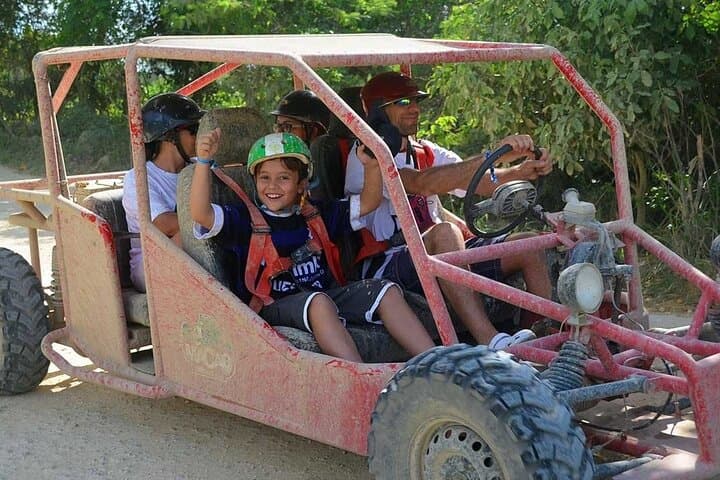
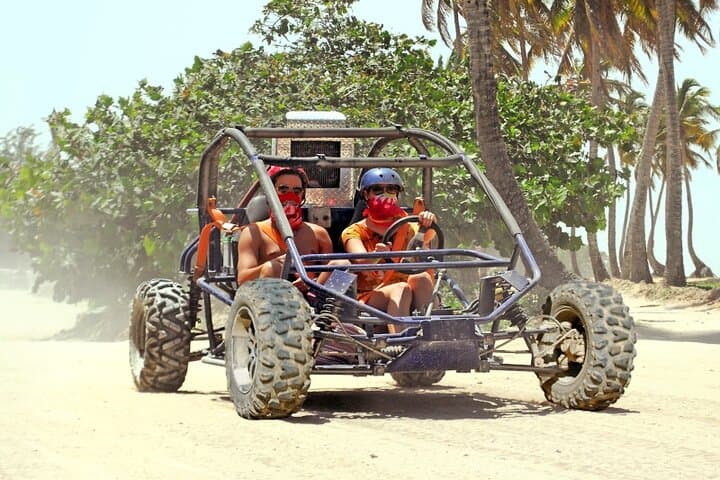
You lift off the hotel driveway in a rumble of gears and dust, the sun already warming the palms. The buggy's front end bobs over packed dirt, then throws a line of spray as the track drops toward open fields. Coconut palms lean as if watching, and the Atlantic keeps time in the distance: a constant blue pull that seems to dare you to reach it.
Verified experiences and guided adventures in the surrounding area.
Operated by JM MARBEE PUNTA CANA TOURS · Punta Cana, La Altagracia
You lift off the hotel driveway in a rumble of gears and dust, the sun already warming the palms. The buggy's front end bobs over packed dirt, then throws a line of spray as the track drops toward open fields. Coconut palms lean as if watching, and the Atlantic keeps time in the distance: a constant blue pull that seems to dare you to reach it.
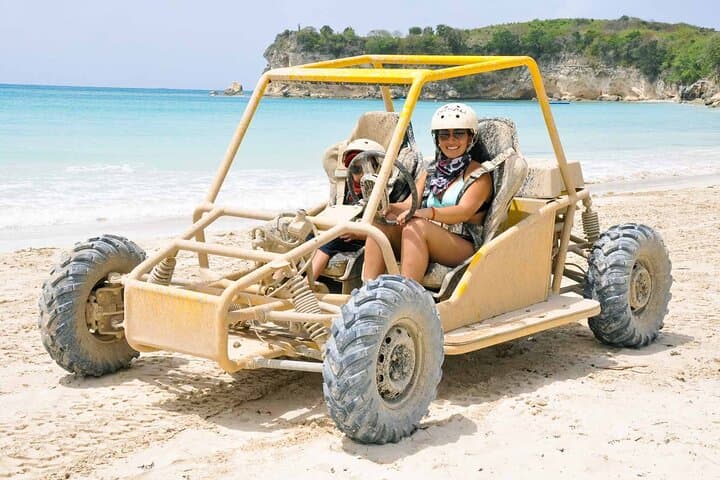
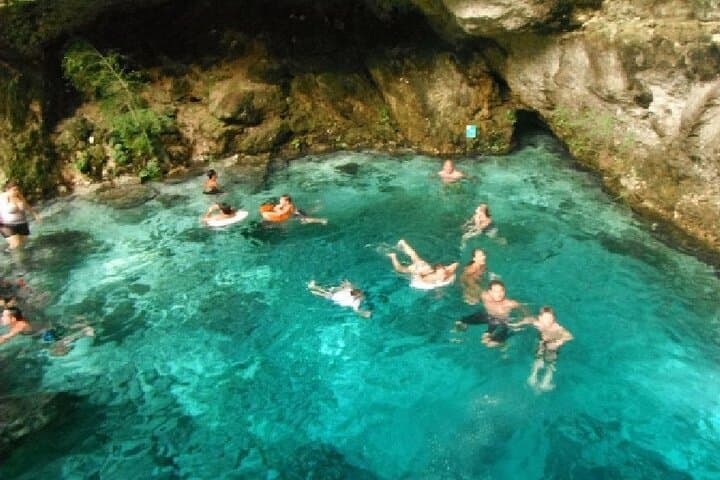
This four-hour safari threads together three very different Dominican landscapes. First come the farm tracks—rutted, red and alive with sugarcane and smallholder plots—then a run-out onto the wide sweep of Macao Beach where the sand changes from grit to powder and the sea invites a salt-steeped reset. After the shoreline the route turns inward to an underground cave with cool, clear waters; your guide points out limestone textures carved over millennia. The final stop is a local farm where cocoa beans, coffee cherries and tobacco leaves are shown from plant to drying rack, a compact portrait of the island's agricultural traditions.
Geology here is gentle but honest: low coastal ridges of coral-derived limestone give way to thin soils where human cultivation dominates. Culturally, the region owes its rhythms to both the Taíno heritage and waves of colonial and post-colonial agriculture. Many rural families still process cocoa and coffee in small batches—an intimate slice of Dominican life that survives alongside big-resort development.
Practical details matter on a day like this. The tour covers roughly 25 kilometers of off-road tracks and beach running with minimal elevation change—expect short climbs and sandy dips rather than sustained grades. A helmet is provided; wear closed-toe shoes with good tread because the buggy will pitch and sand gets everywhere. Bring a refillable water bottle, reef-safe sunscreen, and a small dry bag for phones and wallets. If you plan to swim in the cave and at Macao, a quick-dry towel and a change of clothes are wise.
Timing is everything: morning departures deliver softer light and fewer people at the beach; afternoon slots can be hotter and dustier. Guides typically offer a short safety briefing and basic driving instruction before you set off; experience in off-road vehicles helps but is not required. The tour includes pickup from Punta Cana hotels, and it moves at a pace that packs in adventure without feeling rushed—three immersive stops in four hours.
For travelers who want a single, efficient taste of the Dominican Republic beyond the resort walls, this buggy safari is kinetic, local and sensory: wind that whips your visor, a cave that cools your face, and the smell of drying cocoa that reminds you where your morning chocolate began.
moderate.
4 hours.
Suitable for travelers in average fitness—able to climb in and out of buggies and handle short periods standing and walking.
No. Guides provide a safety briefing and basic handling instruction; beginner drivers are grouped and supervised.
Yes. The itinerary includes a swim at Macao Beach and a short cave swim—bring swimwear and a towel.
Yes. A crash helmet is included in the tour price and is required while driving or riding.
Age restrictions vary by operator; confirm on booking—families with competent older children often participate with driver/guide discretion.
Quick-dry swimwear with water shoes or sandals that stay on are ideal; the cave floor can be slippery and rocky.
Yes. Hotel pickup in Punta Cana is included; expect to be collected about 60 minutes before departure time.
The area mixes Taíno legacy and colonial-era agriculture; small farms still produce cocoa, coffee and tobacco that supported local economies for centuries.
Respect beach dunes and avoid trampling vegetation; choose operators who minimize off-road driving in protected areas and encourage leave-no-trace practices.
JM MARBEE PUNTA CANA TOURS operates guided outdoor trips and adventures with an emphasis on safety, stewardship, and memorable experiences.
You lift off the hotel driveway in a rumble of gears and dust, the sun already warming the palms. The buggy's front end bobs over packed dirt, then throws a line of spray as the track drops toward open fields. Coconut palms lean as if watching, and the Atlantic keeps time in the distance: a constant blue pull that seems to dare you to reach it.
You lift off the hotel driveway in a rumble of gears and dust, the sun already warming the palms. The buggy's front end bobs over packed dirt, then throws a line of spray as the track drops toward open fields. Coconut palms lean as if watching, and the Atlantic keeps time in the distance: a constant blue pull that seems to dare you to reach it.
This four-hour safari threads together three very different Dominican landscapes. First come the farm tracks—rutted, red and alive with sugarcane and smallholder plots—then a run-out onto the wide sweep of Macao Beach where the sand changes from grit to powder and the sea invites a salt-steeped reset. After the shoreline the route turns inward to an underground cave with cool, clear waters; your guide points out limestone textures carved over millennia. The final stop is a local farm where cocoa beans, coffee cherries and tobacco leaves are shown from plant to drying rack, a compact portrait of the island's agricultural traditions.
Geology here is gentle but honest: low coastal ridges of coral-derived limestone give way to thin soils where human cultivation dominates. Culturally, the region owes its rhythms to both the Taíno heritage and waves of colonial and post-colonial agriculture. Many rural families still process cocoa and coffee in small batches—an intimate slice of Dominican life that survives alongside big-resort development.
Practical details matter on a day like this. The tour covers roughly 25 kilometers of off-road tracks and beach running with minimal elevation change—expect short climbs and sandy dips rather than sustained grades. A helmet is provided; wear closed-toe shoes with good tread because the buggy will pitch and sand gets everywhere. Bring a refillable water bottle, reef-safe sunscreen, and a small dry bag for phones and wallets. If you plan to swim in the cave and at Macao, a quick-dry towel and a change of clothes are wise.
Timing is everything: morning departures deliver softer light and fewer people at the beach; afternoon slots can be hotter and dustier. Guides typically offer a short safety briefing and basic driving instruction before you set off; experience in off-road vehicles helps but is not required. The tour includes pickup from Punta Cana hotels, and it moves at a pace that packs in adventure without feeling rushed—three immersive stops in four hours.
For travelers who want a single, efficient taste of the Dominican Republic beyond the resort walls, this buggy safari is kinetic, local and sensory: wind that whips your visor, a cave that cools your face, and the smell of drying cocoa that reminds you where your morning chocolate began.