THE ADVENTURE COLLECTIVE® · Independent discovery and booking for outdoor travel

Walk the spires and quads of Oxford with guaranteed Christ Church entry and Bodleian access. This extended, student-led tour mixes college entrances, cinematic sites and compact city walking for a three-hour, inside-and-outlook experience.
Walk the spires and quads of Oxford with guaranteed Christ Church entry and Bodleian access. This extended, student-led tour mixes college entrances, cinematic sites and compact city walking for a three-hour, inside-and-outlook experience.
You step off Broad Street into a corridor of stone and spires: sunlight picks out the warm honey of oolitic limestone, bicycles thread between tourists, and the River Cherwell nudges the edge of college grounds like a persistent local. This extended walking tour threads the city center with formal college quads, the hush of ancient libraries and a one-hour entry into Christ Church where halls and deer park claim their space.
Verified experiences and guided adventures in the surrounding area.
Operated by Footprints Tours Limited · Oxford, Oxfordshire
You step off Broad Street into a corridor of stone and spires: sunlight picks out the warm honey of oolitic limestone, bicycles thread between tourists, and the River Cherwell nudges the edge of college grounds like a persistent local. This extended walking tour threads the city center with formal college quads, the hush of ancient libraries and a one-hour entry into Christ Church where halls and deer park claim their space.
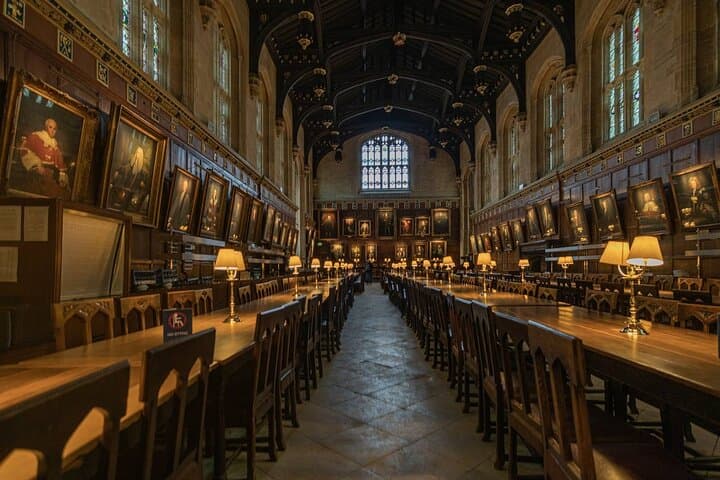
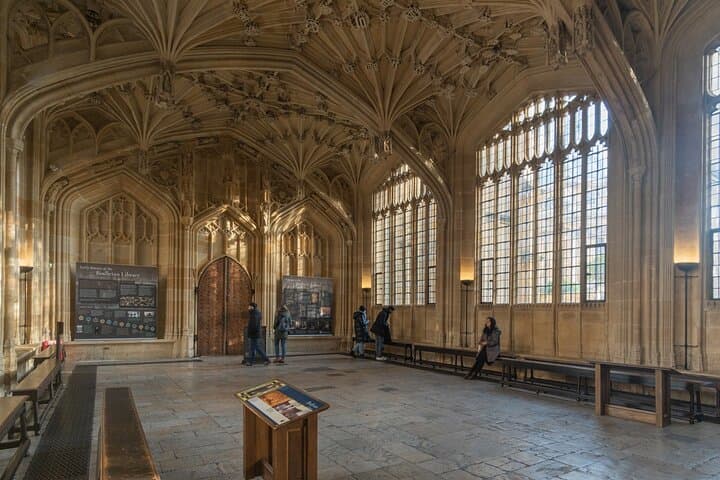
Oxford's buildings rise from Jurassic oolite — compacted sea-shell limestone quarried locally — giving the colleges a consistent color that belies centuries of architectural change. From medieval lecture halls and the Divinity School to Sir Christopher Wren's Tom Tower, the city maps England's educational, religious and cultural shifts: Tolkien and Lewis taught here; Alice's Adventures in Wonderland and recent film shoots have amplified Oxford's global profile.
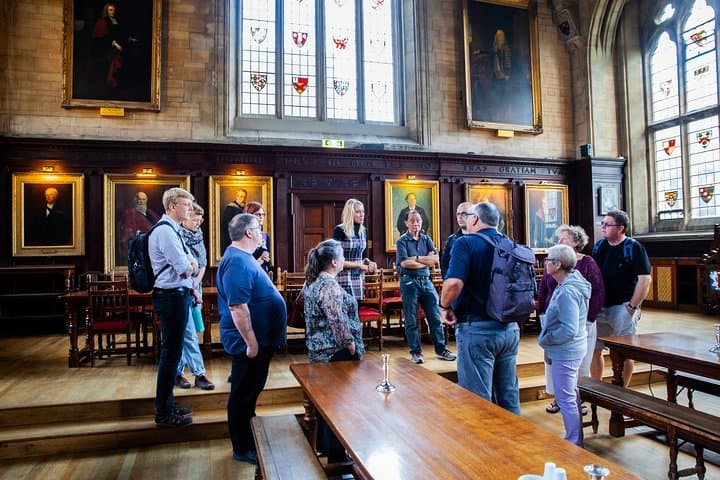
The guide balances narrated exterior visits with included entries to the Bodleian and Christ Church (multimedia headset provided for independent exploration). Expect compact walking between stops, timed entrances and possible substitutions when University spaces close for academic business.
Practical edge: wear sturdy shoes for cobbles, plan for three hours on foot, and book early in high season (June–August) when access to the Divinity School can be restricted. Public transport connects Oxford to London (train ~1–1.5 hours); the Oxford meeting point at 15 Broad Street is central and wheelchair-accessible. Bring a rain layer and modest bag for quick security checks. This tour is best for curious travelers who want concentrated history, architecture and the feel of a working university without the guesswork of self-navigation.
moderate.
3 hours.
Moderate level of fitness — the tour involves steady walking over uneven surfaces and short flights of steps.
Yes — the extended tour includes entrance to Christ Church (with a multimedia headset) and to parts of the Bodleian Library as listed; some interiors may be substituted if they close for University business.
The tour is advertised as wheelchair accessible and many surfaces are accessible, but some historic interiors have steps — contact the operator in advance to confirm arrangements.
Standard meeting point is 15 Broad Street, Oxford; there is an optional London pickup at Gloucester Road Tube Station if selected at booking (affects price).
The tour is approximately 3 hours with steady walking between multiple city-center stops and time allocated for a one-hour independent visit to Christ Church.
Oxford grew from a 12th-century learning cluster into the world’s oldest English-speaking university town; Christ Church has royal links and strong Alice and film associations.
Visitor pressure affects fragile historic interiors and lawns; stick to paths, follow guide instructions and avoid flash photography where prohibited to protect artifacts and finishes.
Footprints Tours Limited operates guided outdoor trips and adventures with an emphasis on safety, stewardship, and memorable experiences.
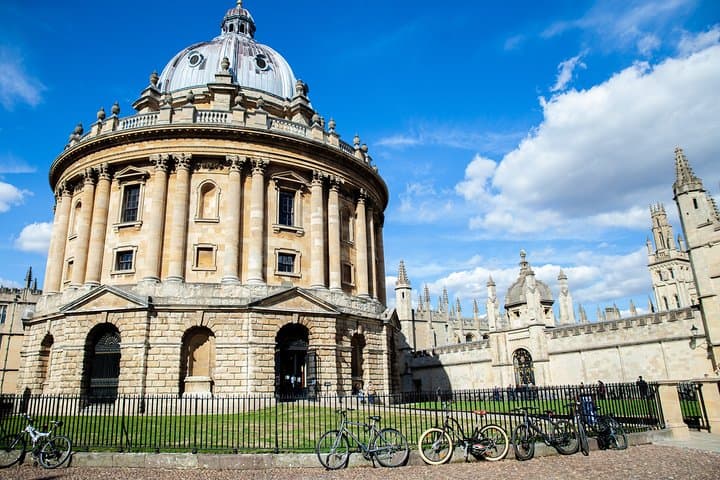
You step off Broad Street into a corridor of stone and spires: sunlight picks out the warm honey of oolitic limestone, bicycles thread between tourists, and the River Cherwell nudges the edge of college grounds like a persistent local. This extended walking tour threads the city center with formal college quads, the hush of ancient libraries and a one-hour entry into Christ Church where halls and deer park claim their space.
You step off Broad Street into a corridor of stone and spires: sunlight picks out the warm honey of oolitic limestone, bicycles thread between tourists, and the River Cherwell nudges the edge of college grounds like a persistent local. This extended walking tour threads the city center with formal college quads, the hush of ancient libraries and a one-hour entry into Christ Church where halls and deer park claim their space.
Oxford's buildings rise from Jurassic oolite — compacted sea-shell limestone quarried locally — giving the colleges a consistent color that belies centuries of architectural change. From medieval lecture halls and the Divinity School to Sir Christopher Wren's Tom Tower, the city maps England's educational, religious and cultural shifts: Tolkien and Lewis taught here; Alice's Adventures in Wonderland and recent film shoots have amplified Oxford's global profile.
The guide balances narrated exterior visits with included entries to the Bodleian and Christ Church (multimedia headset provided for independent exploration). Expect compact walking between stops, timed entrances and possible substitutions when University spaces close for academic business.
Practical edge: wear sturdy shoes for cobbles, plan for three hours on foot, and book early in high season (June–August) when access to the Divinity School can be restricted. Public transport connects Oxford to London (train ~1–1.5 hours); the Oxford meeting point at 15 Broad Street is central and wheelchair-accessible. Bring a rain layer and modest bag for quick security checks. This tour is best for curious travelers who want concentrated history, architecture and the feel of a working university without the guesswork of self-navigation.