THE ADVENTURE COLLECTIVE® · Independent discovery and booking for outdoor travel

A compact seven-day journey through Kathmandu’s UNESCO sites and Bhutan’s sacred valleys, culminating in the steep, unforgettable hike to Taktsang (Tiger’s Nest). Practical, culturally rich and accessible to most travelers with basic fitness.
A compact seven-day journey through Kathmandu’s UNESCO sites and Bhutan’s sacred valleys, culminating in the steep, unforgettable hike to Taktsang (Tiger’s Nest). Practical, culturally rich and accessible to most travelers with basic fitness.
You step off the plane into Kathmandu’s humid morning and the city immediately claims a rhythm: temple bells, caravan of color, the air carrying incense and freshly brewed tea. After a day among UNESCO courtyards and brick-paved Bhaktapur, the tour slides you northward—into the thin, pine-scented air of Bhutan—where the landscape tightens into steep valleys and monasteries cling like punctuation to cliffs.
Verified experiences and guided adventures in the surrounding area.
Operated by Swotah Travel and Adventure Pvt. Ltd. · Paro, Paro District
You step off the plane into Kathmandu’s humid morning and the city immediately claims a rhythm: temple bells, caravan of color, the air carrying incense and freshly brewed tea. After a day among UNESCO courtyards and brick-paved Bhaktapur, the tour slides you northward—into the thin, pine-scented air of Bhutan—where the landscape tightens into steep valleys and monasteries cling like punctuation to cliffs.
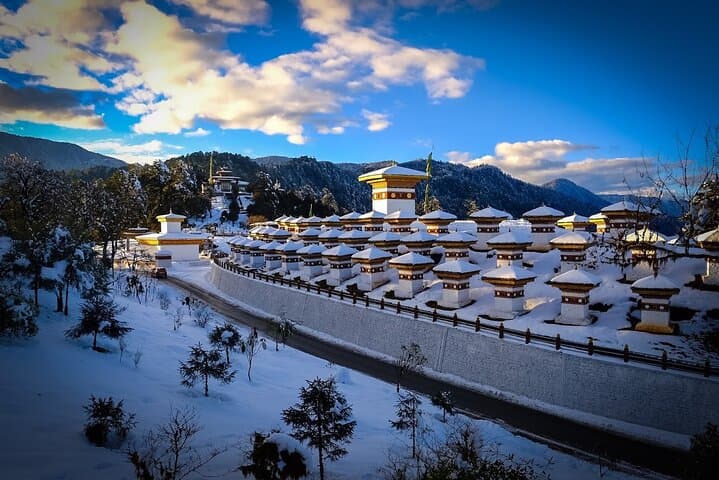
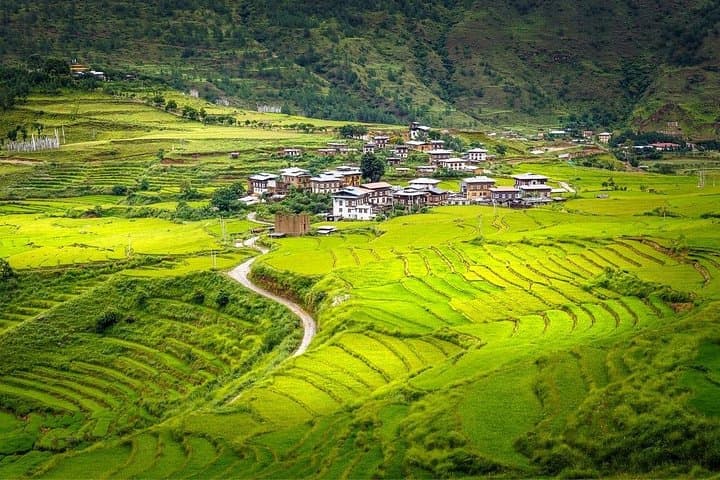
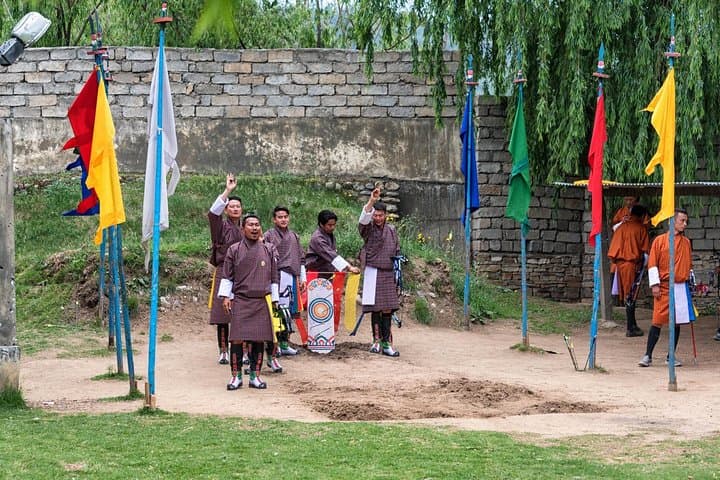
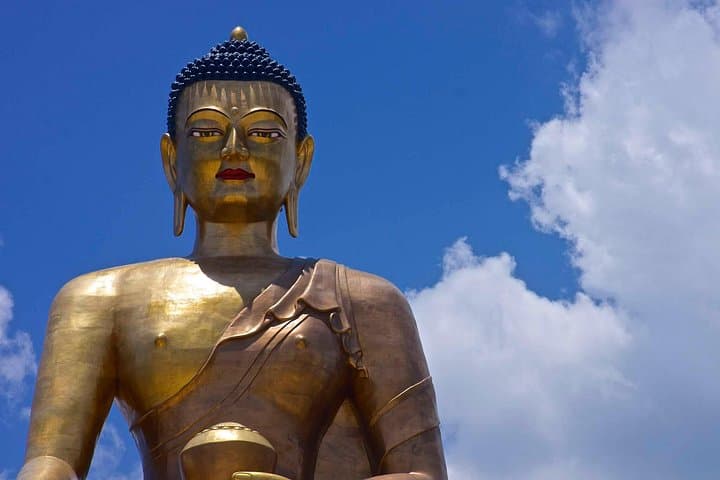
This seven-day itinerary threads Kathmandu’s ancient stupas and patan palaces with Bhutan’s dzongs, farmhouses and the iconic Taktshang (Tiger’s Nest). Geologically the route traces the southern foothills of the Greater Himalaya; steep river valleys and glacially carved passes such as Dochula (3,140 m) punctuate drives between Thimphu, Punakha and Paro. Culturally you’ll encounter living Buddhist practice—dzong courtyards, village carpentry, and archery matches—while local meals showcase momo dumplings, dal bhat and Bhutanese ema datshi.
Practically: the tour is gentle for most travelers, with short city walks and one sustained uphill hike to Tiger’s Nest (roughly 4–5 km round-trip with ~900–1,000 m elevation gain; allow 1.5–3 hours each way depending on pace). The final approach is on foot; horses can carry visitors to the cafeteria only. Expect variable mountain weather, limited mobile reception in valleys, and short domestic flights that are scenic but weather-dependent. Pack layered clothing, sturdy boots, basic altitude-awareness supplies, and photocopies of travel documents. Start the Tiger’s Nest hike early to avoid crowds and altitude fatigue, and you’ll finish with a clear view into a valley that feels very much alive.
moderate.
7 days.
Suitable for travelers in good general health; moderate fitness recommended for the uphill hike to Tiger’s Nest
Nepal issues visas on arrival for many nationalities; Bhutan requires pre-arranged permit and visa processing handled by the tour operator—provide passport details well before travel.
Expect 1.5–2.5 hours uphill with roughly 900–1,000 m elevation gain from the valley floor; it’s steep but not technical—pace yourself and use a horse for part of the ascent if needed to the cafeteria area.
Flights are generally frequent but subject to weather; plan buffer time in your itinerary since mountain weather can delay schedules.
Both countries are considered safe for solo travelers; standard precautions—secure belongings, respect local dress codes, and notify guides of plans—are advised.
Kathmandu Valley contains seven UNESCO World Heritage sites reflecting centuries of Newar architecture and Buddhist-Hindu syncretism; Taktsang is historically a meditation site linked to Guru Rinpoche from the 8th century.
Bhutan maintains strict tourist regulations and high forest cover to protect biodiversity; in Nepal, community-based conservation and responsible trekking practices help limit erosion and protect fragile mountain ecosystems.
Swotah Travel and Adventure Pvt. Ltd. operates guided outdoor trips and adventures with an emphasis on safety, stewardship, and memorable experiences.
You step off the plane into Kathmandu’s humid morning and the city immediately claims a rhythm: temple bells, caravan of color, the air carrying incense and freshly brewed tea. After a day among UNESCO courtyards and brick-paved Bhaktapur, the tour slides you northward—into the thin, pine-scented air of Bhutan—where the landscape tightens into steep valleys and monasteries cling like punctuation to cliffs.
You step off the plane into Kathmandu’s humid morning and the city immediately claims a rhythm: temple bells, caravan of color, the air carrying incense and freshly brewed tea. After a day among UNESCO courtyards and brick-paved Bhaktapur, the tour slides you northward—into the thin, pine-scented air of Bhutan—where the landscape tightens into steep valleys and monasteries cling like punctuation to cliffs.
This seven-day itinerary threads Kathmandu’s ancient stupas and patan palaces with Bhutan’s dzongs, farmhouses and the iconic Taktshang (Tiger’s Nest). Geologically the route traces the southern foothills of the Greater Himalaya; steep river valleys and glacially carved passes such as Dochula (3,140 m) punctuate drives between Thimphu, Punakha and Paro. Culturally you’ll encounter living Buddhist practice—dzong courtyards, village carpentry, and archery matches—while local meals showcase momo dumplings, dal bhat and Bhutanese ema datshi.
Practically: the tour is gentle for most travelers, with short city walks and one sustained uphill hike to Tiger’s Nest (roughly 4–5 km round-trip with ~900–1,000 m elevation gain; allow 1.5–3 hours each way depending on pace). The final approach is on foot; horses can carry visitors to the cafeteria only. Expect variable mountain weather, limited mobile reception in valleys, and short domestic flights that are scenic but weather-dependent. Pack layered clothing, sturdy boots, basic altitude-awareness supplies, and photocopies of travel documents. Start the Tiger’s Nest hike early to avoid crowds and altitude fatigue, and you’ll finish with a clear view into a valley that feels very much alive.