THE ADVENTURE COLLECTIVE® · Independent discovery and booking for outdoor travel

Christopher Marley’s "Exquisite Creatures" in Seattle arranges thousands of real specimens into striking artworks. Expect 60–90 minutes of close viewing, accessible galleries, and a conservation-minded presentation of nature’s forms.
Christopher Marley’s "Exquisite Creatures" in Seattle arranges thousands of real specimens into striking artworks. Expect 60–90 minutes of close viewing, accessible galleries, and a conservation-minded presentation of nature’s forms.
You step into a cool, hushed gallery and the room rearranges itself around color: rows of insect wings and fish scales catch the light and seem to move, like shoals and flocks frozen mid-flight.
Verified experiences and guided adventures in the surrounding area.
Operated by Exquisite Creatures Exhibit · Seattle, Washington
You step into a cool, hushed gallery and the room rearranges itself around color: rows of insect wings and fish scales catch the light and seem to move, like shoals and flocks frozen mid-flight.
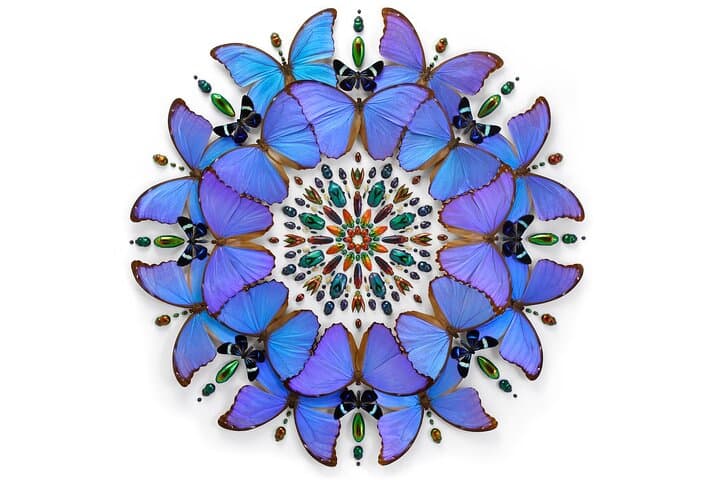
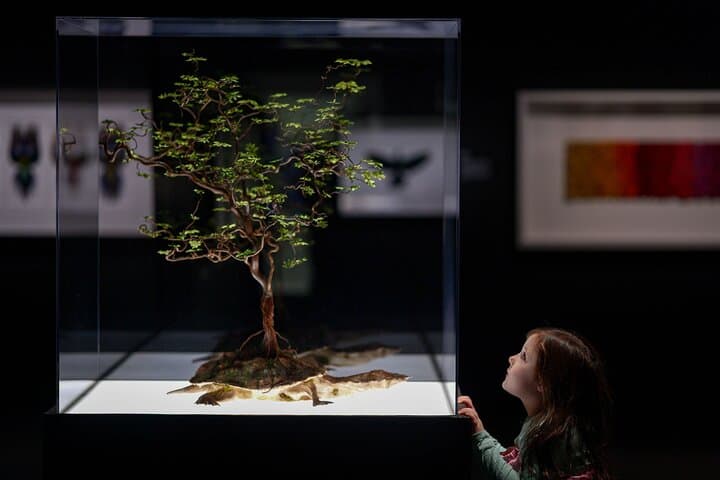
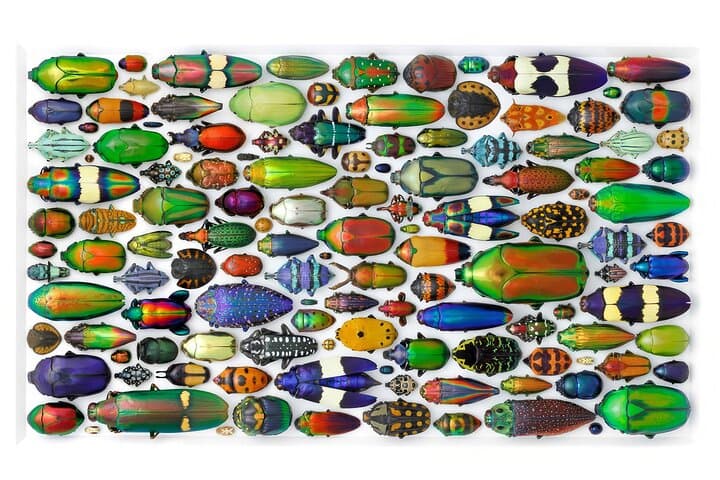
Christopher Marley’s "Exquisite Creatures" converts specimens into intentional compositions — mosaics of beetle elytra, geometric arrays of shells, and vitrines where minerals glitter like small planets. The show in Seattle presents hundreds of works and over 10,000 ethically sourced examples, framed to highlight form and pattern rather than taxonomy.
This display sits within a long line of natural-history curiosity cabinets and modern conservation-minded art. Marley’s approach nods to Victorian collecting while foregrounding contemporary ethics: reclaimed or sustainably collected materials and careful documentation. Geologically and biologically, the pieces trace oceans and forests — shells and scales that testify to Pacific and tropical ecosystems alike — and local curatorial notes often link specimens back to their habitats.
Plan 60–90 minutes to move through the cases slowly; the gallery lighting and close viewing reward patience. It’s accessible — level surfaces and stroller-friendly pathways — and located near public transit lines that serve central Seattle.
Practical tips: visit during weekday mornings to avoid crowds, wear comfortable shoes for standing, and bring a camera if you like detail shots (check the venue’s flash and tripod rules). Respect labels and barriers: many pieces are fragile and intended for study rather than touch. Whether you come as an art lover, a naturalist, or a curious family, the exhibit reframes biodiversity as design and invites you to see small things with new attention.
easy.
1–1.5 hours.
Suitable for all fitness levels; mostly standing and slow walking inside a climate-controlled gallery
Most visitors spend 60–90 minutes exploring the cases; allow extra time if you want to read labels or take photographs without a rush.
Yes — the artist’s known practice is to use reclaimed or sustainably collected specimens; venue materials typically note provenance and ethical statements.
Yes; the listing indicates wheelchair and stroller accessibility and level surfaces for most gallery areas.
This product lists all sales as final—check booking terms carefully before purchasing, as refunds are not available.
The exhibition continues a long tradition of specimen-based art and natural history displays, updated by contemporary ethics around sourcing and conservation.
The artist emphasizes reclaimed and sustainably collected specimens; visitors are encouraged to treat displays as educational resources and avoid supporting unregulated specimen collecting.
Exquisite Creatures Exhibit operates guided outdoor trips and adventures with an emphasis on safety, stewardship, and memorable experiences.

You step into a cool, hushed gallery and the room rearranges itself around color: rows of insect wings and fish scales catch the light and seem to move, like shoals and flocks frozen mid-flight.
You step into a cool, hushed gallery and the room rearranges itself around color: rows of insect wings and fish scales catch the light and seem to move, like shoals and flocks frozen mid-flight.
Christopher Marley’s "Exquisite Creatures" converts specimens into intentional compositions — mosaics of beetle elytra, geometric arrays of shells, and vitrines where minerals glitter like small planets. The show in Seattle presents hundreds of works and over 10,000 ethically sourced examples, framed to highlight form and pattern rather than taxonomy.
This display sits within a long line of natural-history curiosity cabinets and modern conservation-minded art. Marley’s approach nods to Victorian collecting while foregrounding contemporary ethics: reclaimed or sustainably collected materials and careful documentation. Geologically and biologically, the pieces trace oceans and forests — shells and scales that testify to Pacific and tropical ecosystems alike — and local curatorial notes often link specimens back to their habitats.
Plan 60–90 minutes to move through the cases slowly; the gallery lighting and close viewing reward patience. It’s accessible — level surfaces and stroller-friendly pathways — and located near public transit lines that serve central Seattle.
Practical tips: visit during weekday mornings to avoid crowds, wear comfortable shoes for standing, and bring a camera if you like detail shots (check the venue’s flash and tripod rules). Respect labels and barriers: many pieces are fragile and intended for study rather than touch. Whether you come as an art lover, a naturalist, or a curious family, the exhibit reframes biodiversity as design and invites you to see small things with new attention.