THE ADVENTURE COLLECTIVE® · Independent discovery and booking for outdoor travel

Spend 2 days and 1 night cruising Bai Tu Long Bay from Halong with kayaking, a bamboo-boat visit to Vung Vieng floating village, sunrise Tai Chi and onboard dining. This luxury escape combines gentle adventure with knowledgeable guides and comfortable cabins.
Spend 2 days and 1 night cruising Bai Tu Long Bay from Halong with kayaking, a bamboo-boat visit to Vung Vieng floating village, sunrise Tai Chi and onboard dining. This luxury escape combines gentle adventure with knowledgeable guides and comfortable cabins.
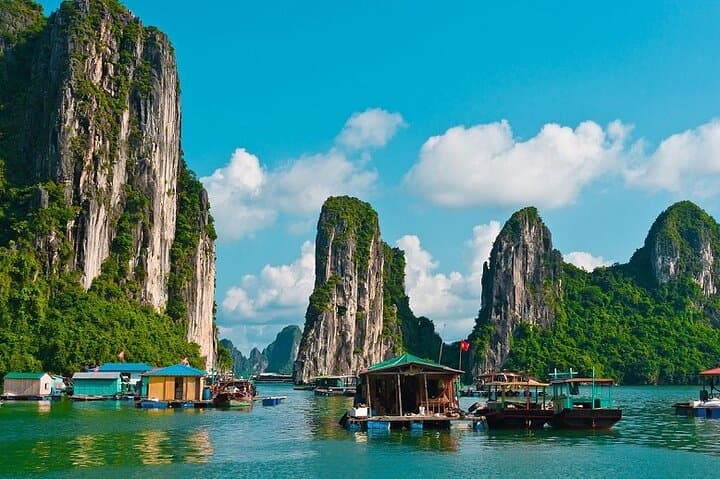
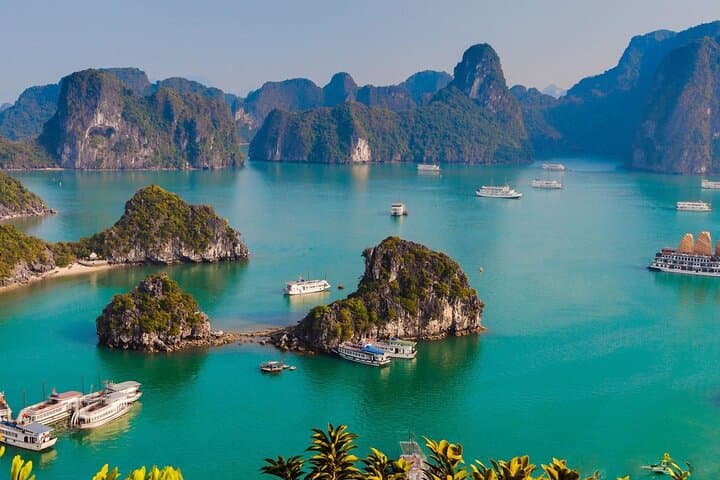
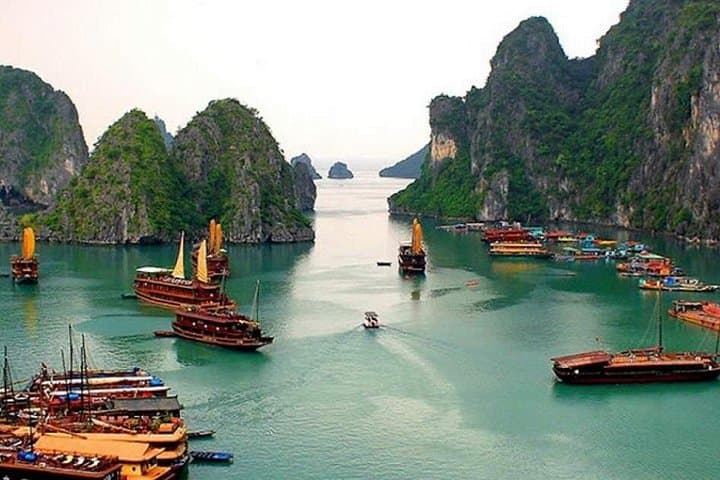
The first light catches on karst towers as the cruise slips away from Halong International Harbor — limestone cliffs rising like old fortresses, gulls harrying the wake, and the scent of brine and cooking steam drifting from the galley. Onboard, teak decks and white linens sit against a backdrop of jade water; by afternoon you'll trade that comfort for a kayak, paddling into narrow coves where the cliffs press close and the water dares you inward.
Verified experiences and guided adventures in the surrounding area.
Operated by Vina Cruise · Ha Long, Quang Ninh
The first light catches on karst towers as the cruise slips away from Halong International Harbor — limestone cliffs rising like old fortresses, gulls harrying the wake, and the scent of brine and cooking steam drifting from the galley. Onboard, teak decks and white linens sit against a backdrop of jade water; by afternoon you'll trade that comfort for a kayak, paddling into narrow coves where the cliffs press close and the water dares you inward.
Geologically, Bai Tu Long Bay is an extension of the same Miocene limestone plateau that formed Halong Bay: dramatic karst towers, sea caves, and submerged caverns carved by millennia of wind and tides. Culturally, the voyage threads through living history — floating homes, working fishing boats, and Vung Vieng’s bamboo skiff lanes where families still harvest shrimp and sell provisions from the water.
Over two days the itinerary balances low-impact adventure and onboard service: kayaking around the Cong Do area, visiting Vung Vieng fishing village by bamboo boat, sunrise tai chi on the sundeck, a cooking demonstration, and even night squid fishing. Expect calm to moderate seas, short paddling stints (1–2 hours), and a single overnight on a cabin-equipped cruise.
Practical guidance: book transfers from Hanoi in advance, carry motion-sickness meds if you’re prone, and bring quick-dry layers for wind and spray. Sturdy water shoes or sandals with grip are better than flip-flops for scrambling on wet rocks. Keep a dry bag for electronics, respect the floating-village residents (ask before photographing), and conserve water and single-use plastics — local ecosystems remain sensitive to tourism pressure.
moderate.
24–48 hours.
Suitable for reasonably fit travelers who can paddle for short periods and board small tenders; minimal hiking required.
Most operators provide private or shared limousine transfers from Hanoi Old Quarter; pickup is typically mid-morning and the drive takes about 3.5–4 hours with a short rest stop.
Yes—guided, calm-water kayaking in Cong Do is beginner-friendly, and guides provide instruction plus lifejackets; choose a tandem kayak if you prefer.
Yes, the itinerary includes a bamboo-boat visit to Vung Vieng where guides explain daily life on the water; be respectful and follow guide directions near homes and nets.
Standard travel vaccinations are advised; bring any prescription meds and basic first-aid items. Inform the operator of heart conditions—some activities and transfers may not be suitable.
Bai Tu Long sits adjacent to Halong Bay and shares the same karst geology shaped over millions of years; the area hosts longstanding fishing communities that live and work on the water.
Visitors are encouraged to minimize single-use plastics, avoid disturbing wildlife and floating-village operations, and follow crew guidance to reduce impacts on fragile marine and karst environments.
Vina Cruise operates guided outdoor trips and adventures with an emphasis on safety, stewardship, and memorable experiences.

The first light catches on karst towers as the cruise slips away from Halong International Harbor — limestone cliffs rising like old fortresses, gulls harrying the wake, and the scent of brine and cooking steam drifting from the galley. Onboard, teak decks and white linens sit against a backdrop of jade water; by afternoon you'll trade that comfort for a kayak, paddling into narrow coves where the cliffs press close and the water dares you inward.
The first light catches on karst towers as the cruise slips away from Halong International Harbor — limestone cliffs rising like old fortresses, gulls harrying the wake, and the scent of brine and cooking steam drifting from the galley. Onboard, teak decks and white linens sit against a backdrop of jade water; by afternoon you'll trade that comfort for a kayak, paddling into narrow coves where the cliffs press close and the water dares you inward.
Geologically, Bai Tu Long Bay is an extension of the same Miocene limestone plateau that formed Halong Bay: dramatic karst towers, sea caves, and submerged caverns carved by millennia of wind and tides. Culturally, the voyage threads through living history — floating homes, working fishing boats, and Vung Vieng’s bamboo skiff lanes where families still harvest shrimp and sell provisions from the water.
Over two days the itinerary balances low-impact adventure and onboard service: kayaking around the Cong Do area, visiting Vung Vieng fishing village by bamboo boat, sunrise tai chi on the sundeck, a cooking demonstration, and even night squid fishing. Expect calm to moderate seas, short paddling stints (1–2 hours), and a single overnight on a cabin-equipped cruise.
Practical guidance: book transfers from Hanoi in advance, carry motion-sickness meds if you’re prone, and bring quick-dry layers for wind and spray. Sturdy water shoes or sandals with grip are better than flip-flops for scrambling on wet rocks. Keep a dry bag for electronics, respect the floating-village residents (ask before photographing), and conserve water and single-use plastics — local ecosystems remain sensitive to tourism pressure.