THE ADVENTURE COLLECTIVE® · Independent discovery and booking for outdoor travel

A compact, two-day Inca Trail itinerary that delivers the Sun Gate approach to Machu Picchu — fast, intense, and rich in history. Perfect for travelers short on time who still want the classic trail experience.
A compact, two-day Inca Trail itinerary that delivers the Sun Gate approach to Machu Picchu — fast, intense, and rich in history. Perfect for travelers short on time who still want the classic trail experience.
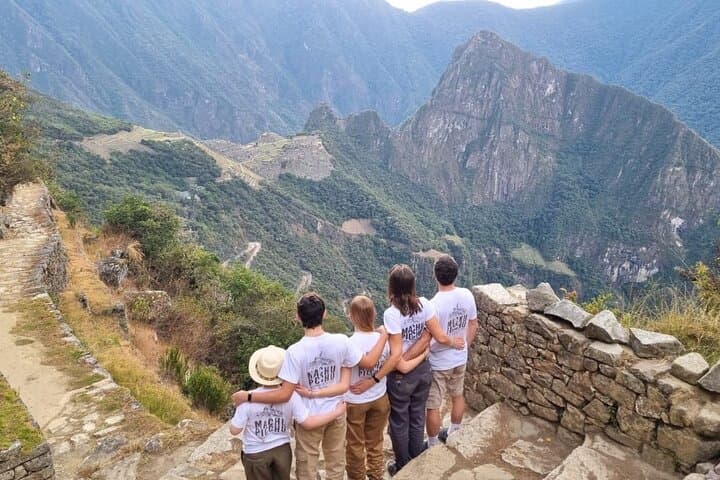
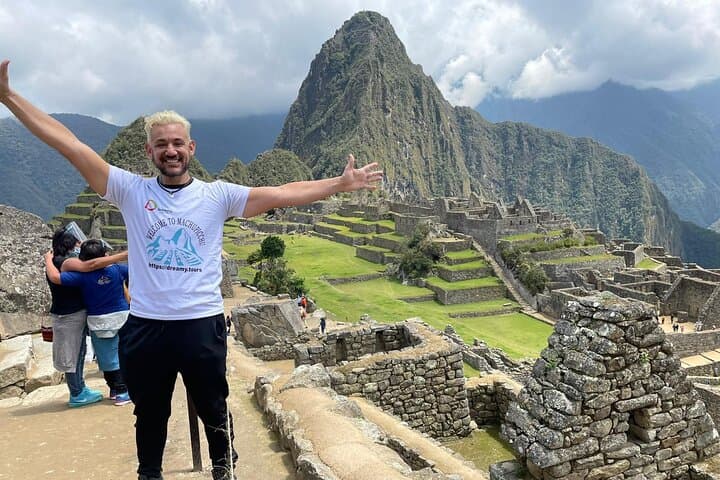
Dawn breaks across the cloud forest and you crest Inti Punku — the Sun Gate — with Machu Picchu spilling into view below. Mist clings to terraces and the air tastes of wet earth; the trail underfoot is ancient stone, worn by footsteps that predate the republic. For two compact days you move through living history: staircases carved by the Incas, orchid-draped ravines and a landscape that seems to hold its breath until the citadel reveals itself.
Verified experiences and guided adventures in the surrounding area.
Operated by Dreamy Tours · Aguas Calientes, Cusco
Dawn breaks across the cloud forest and you crest Inti Punku — the Sun Gate — with Machu Picchu spilling into view below. Mist clings to terraces and the air tastes of wet earth; the trail underfoot is ancient stone, worn by footsteps that predate the republic. For two compact days you move through living history: staircases carved by the Incas, orchid-draped ravines and a landscape that seems to hold its breath until the citadel reveals itself.
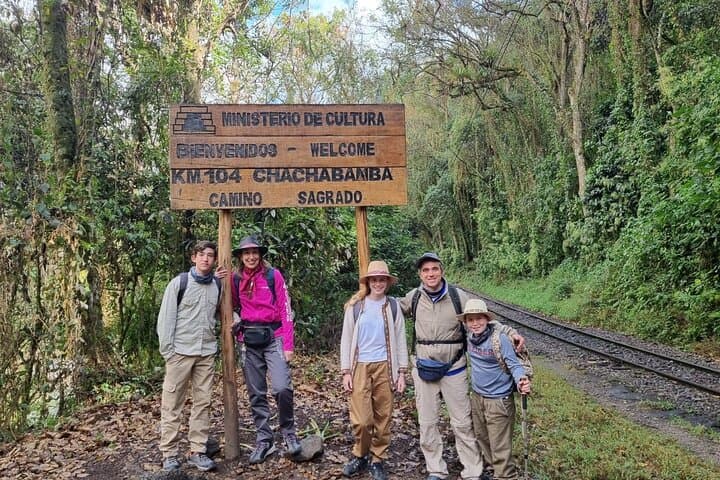
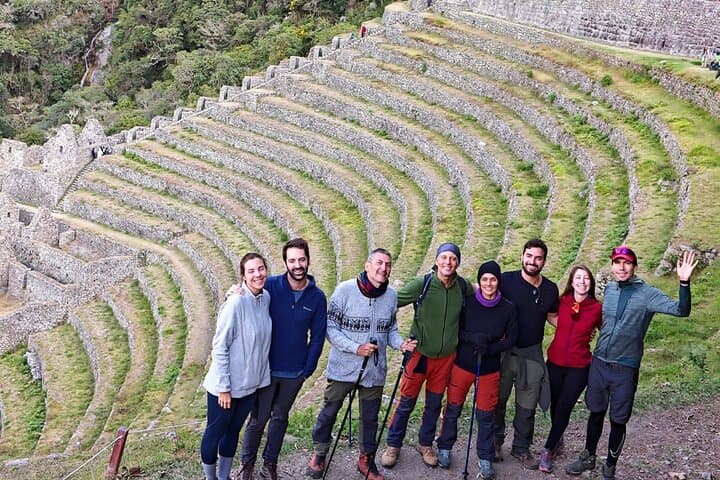
The Inca Trail was a road network engineered for control and ceremony, its stonework adapting to steep Andean slopes and seismic ground. Geologically, the route threads cloud forest over a youthful fold of the Eastern Cordillera — rapid elevation shifts create the bright biodiversity you'll notice: hummingbirds darting, mosses clinging to wet rock. Culturally, the trail follows corridors used for pilgrimage and administration; sites like Chachabamba and Wiñay Wayna are reminders of a managed landscape, terraces and fountains still visible after centuries.
Practically, expect a demanding day one: roughly 10–14 km of uneven Inca stone, 600 m of ascent to the Sun Gate (≈2,780 m) and a descent into Machu Picchu (≈2,400 m), about 5–7 hours on trail. Day two is an early guided visit of the citadel with time for independent exploration or optional climbs (Huayna Picchu requires a separate permit). Acclimatize in Cusco for 48–72 hours if possible; altitude is the real challenge. Bring a light waterproof shell for sudden mountain rains, high-traction footwear for slick stone, and layers for temperature swings. Start early to avoid crowds at the Sun Gate and carry a small daypack with water, snacks, and your passport — permits are checked. The route is short but intense: move deliberately, respect fragile sites, and the reward is a summit view few visitors earn — Machu Picchu arriving like a held breath finally released.
challenging.
2 days.
Good cardiovascular fitness and leg strength; able to hike 5–8 hours with elevation changes at high altitude.
Yes. The official Inca Trail to Machu Picchu requires permits that are limited and tied to national regulations; booked tours usually handle permit procurement.
The 2-day itinerary is an express option covering Km 104 to Machu Picchu via the Sun Gate; it’s shorter but still physically demanding and skips sections of the classic 4-day route.
Acclimatize in Cusco for 48–72 hours, stay hydrated, avoid alcohol, and ascend at a steady pace; inform guides if symptoms appear — they carry basic first aid and oxygen.
You can, but Huayna Picchu requires a separate limited permit booked in advance; availability may be restricted the same day.
The Inca Trail was part of a vast road network used for administration, ritual and troop movement; many stone paths date back to pre-Columbian engineering.
Access is tightly managed with daily permit limits to protect archaeological sites and fragile cloud-forest ecosystems; follow Leave No Trace and stick to designated paths.
Dreamy Tours operates guided outdoor trips and adventures with an emphasis on safety, stewardship, and memorable experiences.
Dawn breaks across the cloud forest and you crest Inti Punku — the Sun Gate — with Machu Picchu spilling into view below. Mist clings to terraces and the air tastes of wet earth; the trail underfoot is ancient stone, worn by footsteps that predate the republic. For two compact days you move through living history: staircases carved by the Incas, orchid-draped ravines and a landscape that seems to hold its breath until the citadel reveals itself.
Dawn breaks across the cloud forest and you crest Inti Punku — the Sun Gate — with Machu Picchu spilling into view below. Mist clings to terraces and the air tastes of wet earth; the trail underfoot is ancient stone, worn by footsteps that predate the republic. For two compact days you move through living history: staircases carved by the Incas, orchid-draped ravines and a landscape that seems to hold its breath until the citadel reveals itself.
The Inca Trail was a road network engineered for control and ceremony, its stonework adapting to steep Andean slopes and seismic ground. Geologically, the route threads cloud forest over a youthful fold of the Eastern Cordillera — rapid elevation shifts create the bright biodiversity you'll notice: hummingbirds darting, mosses clinging to wet rock. Culturally, the trail follows corridors used for pilgrimage and administration; sites like Chachabamba and Wiñay Wayna are reminders of a managed landscape, terraces and fountains still visible after centuries.
Practically, expect a demanding day one: roughly 10–14 km of uneven Inca stone, 600 m of ascent to the Sun Gate (≈2,780 m) and a descent into Machu Picchu (≈2,400 m), about 5–7 hours on trail. Day two is an early guided visit of the citadel with time for independent exploration or optional climbs (Huayna Picchu requires a separate permit). Acclimatize in Cusco for 48–72 hours if possible; altitude is the real challenge. Bring a light waterproof shell for sudden mountain rains, high-traction footwear for slick stone, and layers for temperature swings. Start early to avoid crowds at the Sun Gate and carry a small daypack with water, snacks, and your passport — permits are checked. The route is short but intense: move deliberately, respect fragile sites, and the reward is a summit view few visitors earn — Machu Picchu arriving like a held breath finally released.