THE ADVENTURE COLLECTIVE® · Independent discovery and booking for outdoor travel

Descend into the luminous blue of an ice cave beneath Vatnajökull on a guided three-hour tour from Jökulsárlón. This small-group experience blends glacier science, local knowledge, and hands-on safety for an accessible but unforgettable frozen adventure.
Descend into the luminous blue of an ice cave beneath Vatnajökull on a guided three-hour tour from Jökulsárlón. This small-group experience blends glacier science, local knowledge, and hands-on safety for an accessible but unforgettable frozen adventure.
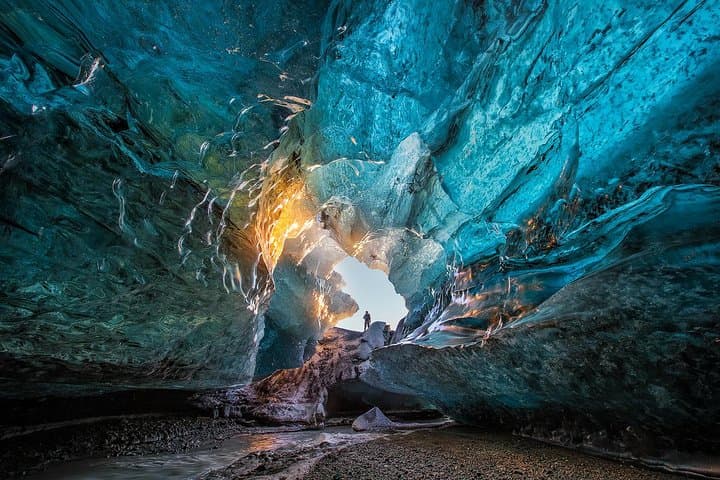
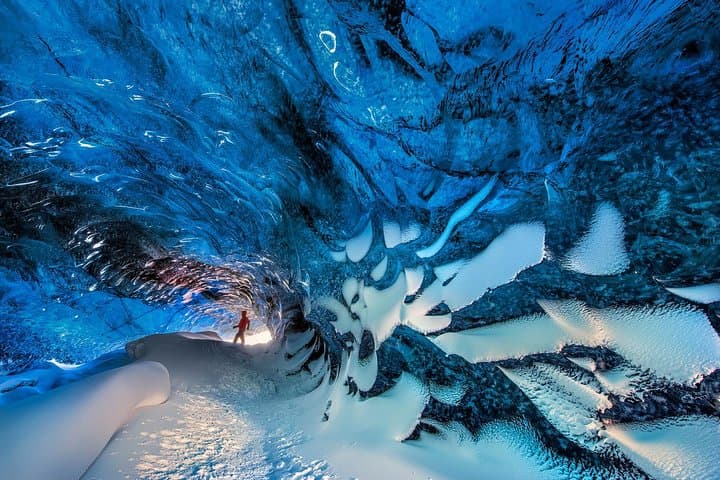
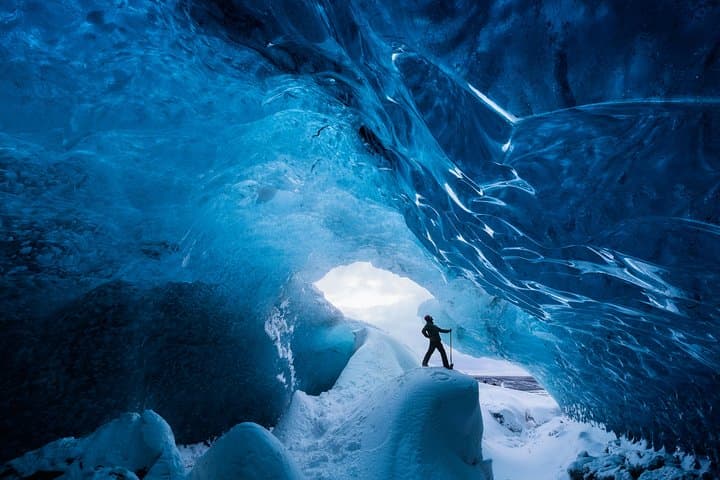
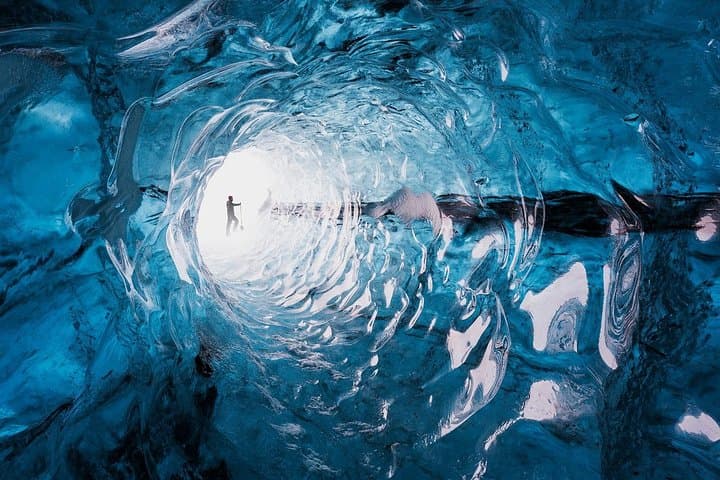
You step off the super jeep onto black sand that still remembers the sea, and the air is a sharp, mineral cold that bounces off the glacier. Guides tighten helmets and pass out crampons; ahead, the glacier’s ice glows a saturated blue that seems lit from within. For the next three hours you move between sound and silence: the rumble of shifting ice, the whisper of wind through a cavern, and the careful footsteps of a small band of travelers threading a passage carved by melt and time.
Verified experiences and guided adventures in the surrounding area.
Operated by Guide to Iceland · Höfn, Austurland
You step off the super jeep onto black sand that still remembers the sea, and the air is a sharp, mineral cold that bounces off the glacier. Guides tighten helmets and pass out crampons; ahead, the glacier’s ice glows a saturated blue that seems lit from within. For the next three hours you move between sound and silence: the rumble of shifting ice, the whisper of wind through a cavern, and the careful footsteps of a small band of travelers threading a passage carved by melt and time.
Vatnajökull is not a single frozen mountain but a vast ice cap—Europe’s largest—feeding rivers and carving the southeast coast. The ice caves that draw photographers and the curious form seasonally where meltwater channels and structural stresses hollow the glacier. Their hues and architecture change with each thaw and storm; no two visits are identical. Historically, this landscape shaped local livelihoods: fishermen and farmers learned routes by the movement of the ice and the timing of floods. Today, guides combine that local knowledge with modern safety practices to lead visitors into these ephemeral spaces.
Geologically, the caves are dynamic. Layers of compacted snow, volcanic ash, and refrozen meltwater create banding and even trapped air that refracts light into surreal tones. Culturally, the area around Jökulsárlón has become a hub for photographers and filmmakers—its lagoon and floating icebergs have appeared in films and campaigns—yet the human footprint remains surprisingly light if visitors follow leave-no-trace rules.
Practically, expect cold, wet conditions and uneven terrain. The meeting point is the main parking lot at Jökulsárlón; guides assess safety each morning and choose the safest cave or, when entry is unsafe, offer a glacier hike or a refund policy. The tour uses a 4x4 modified super jeep for access and provides helmets, crampons, and other protective gear. Wear waterproof layers, sturdy hiking boots, and bring a camera with extra batteries—the cold drains power fast.
Plan for variable weather: clear blue skies can shift to sleet in an hour. Hydrate beforehand—there’s no on-site water—and keep hands warm with thin liner gloves under waterproof shells so you can operate a camera. Respect the guides’ instructions; ice caves are beautiful because they are unstable and finite. Leave only footprints and photos, and you’ll come away with a rare glimpse into how glaciers breathe and break, a brief residency inside an evolving mountain of ice.
easy.
3 hours.
Basic fitness for short walks on uneven ice and sand; mobility to step over low ice ridges is required.
The tour lasts about 3 hours and meets at the Crystal Cave Tours sign in the main Jökulsárlón parking lot; arrive at least 10 minutes early.
The tour is listed as suitable for most fitness levels, but participants must be able to walk on uneven ground and wear crampons; contact operators if mobility concerns exist.
Guides will either take you on a glacier hike (with a 30% refund) or offer a full refund if cave entry is cancelled for safety reasons.
Helmets, crampons, and other safety gear are provided; participants must bring their own hiking boots and weather-appropriate clothing.
Yes—photography is allowed, but be mindful of tripods and guide instructions; keep spare batteries warm as cold depletes power fast.
Jökulsárlón is about 390 km east of Reykjavík—roughly a 4.5–5.5 hour drive depending on conditions—so many travelers stay in Höfn or nearby guesthouses.
The glacier and lagoon area was shaped by repeated glacial advances and eruptions; local sagas reference shifting ice and sudden floods that affected coastal communities.
Tours operate with strict safety and access protocols to minimize impact; stick to paths, avoid disturbing flora on moraine edges, and pack out all waste.
Guide to Iceland operates guided outdoor trips and adventures with an emphasis on safety, stewardship, and memorable experiences.
You step off the super jeep onto black sand that still remembers the sea, and the air is a sharp, mineral cold that bounces off the glacier. Guides tighten helmets and pass out crampons; ahead, the glacier’s ice glows a saturated blue that seems lit from within. For the next three hours you move between sound and silence: the rumble of shifting ice, the whisper of wind through a cavern, and the careful footsteps of a small band of travelers threading a passage carved by melt and time.
You step off the super jeep onto black sand that still remembers the sea, and the air is a sharp, mineral cold that bounces off the glacier. Guides tighten helmets and pass out crampons; ahead, the glacier’s ice glows a saturated blue that seems lit from within. For the next three hours you move between sound and silence: the rumble of shifting ice, the whisper of wind through a cavern, and the careful footsteps of a small band of travelers threading a passage carved by melt and time.
Vatnajökull is not a single frozen mountain but a vast ice cap—Europe’s largest—feeding rivers and carving the southeast coast. The ice caves that draw photographers and the curious form seasonally where meltwater channels and structural stresses hollow the glacier. Their hues and architecture change with each thaw and storm; no two visits are identical. Historically, this landscape shaped local livelihoods: fishermen and farmers learned routes by the movement of the ice and the timing of floods. Today, guides combine that local knowledge with modern safety practices to lead visitors into these ephemeral spaces.
Geologically, the caves are dynamic. Layers of compacted snow, volcanic ash, and refrozen meltwater create banding and even trapped air that refracts light into surreal tones. Culturally, the area around Jökulsárlón has become a hub for photographers and filmmakers—its lagoon and floating icebergs have appeared in films and campaigns—yet the human footprint remains surprisingly light if visitors follow leave-no-trace rules.
Practically, expect cold, wet conditions and uneven terrain. The meeting point is the main parking lot at Jökulsárlón; guides assess safety each morning and choose the safest cave or, when entry is unsafe, offer a glacier hike or a refund policy. The tour uses a 4x4 modified super jeep for access and provides helmets, crampons, and other protective gear. Wear waterproof layers, sturdy hiking boots, and bring a camera with extra batteries—the cold drains power fast.
Plan for variable weather: clear blue skies can shift to sleet in an hour. Hydrate beforehand—there’s no on-site water—and keep hands warm with thin liner gloves under waterproof shells so you can operate a camera. Respect the guides’ instructions; ice caves are beautiful because they are unstable and finite. Leave only footprints and photos, and you’ll come away with a rare glimpse into how glaciers breathe and break, a brief residency inside an evolving mountain of ice.