THE ADVENTURE COLLECTIVE® · Independent discovery and booking for outdoor travel

Walk the pale rims of Sicily’s historic salt pans with a local guide, taste fleur de sel at a centuries-old mill and scan tidal flats for flamingos. This concise half-day tour combines geology, birdlife and hands-on salt lore near Trapani.
Walk the pale rims of Sicily’s historic salt pans with a local guide, taste fleur de sel at a centuries-old mill and scan tidal flats for flamingos. This concise half-day tour combines geology, birdlife and hands-on salt lore near Trapani.
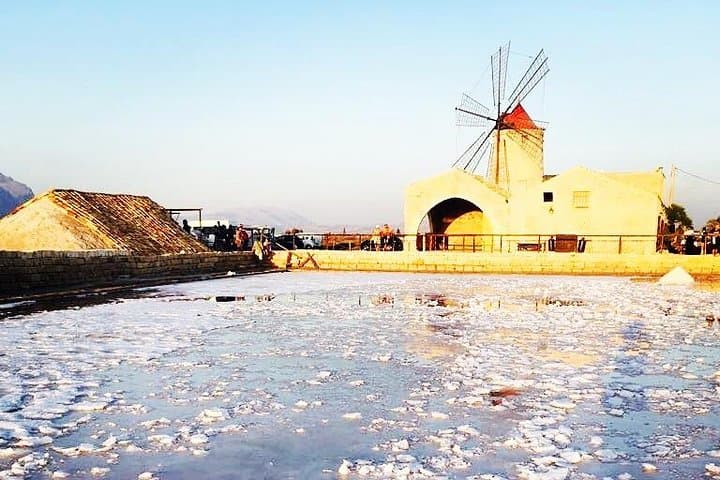
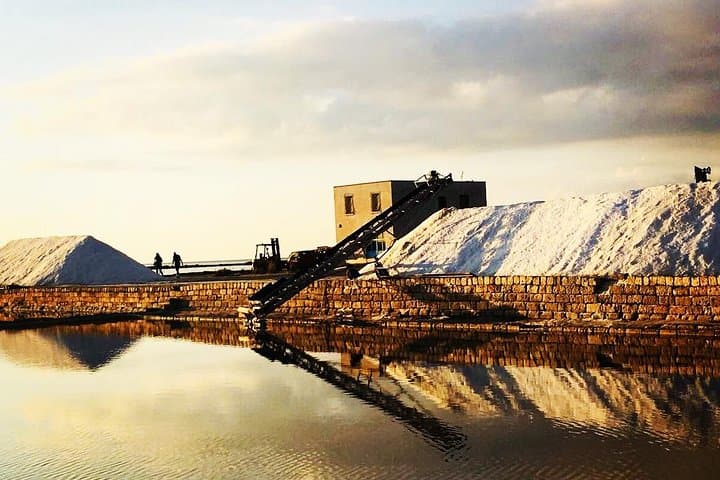
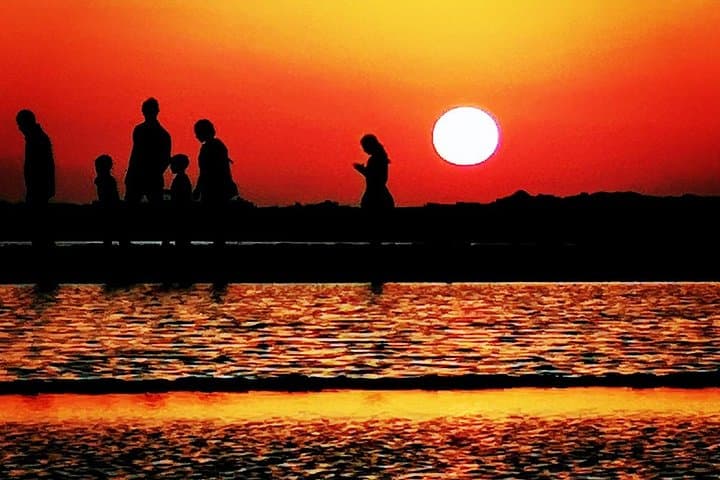
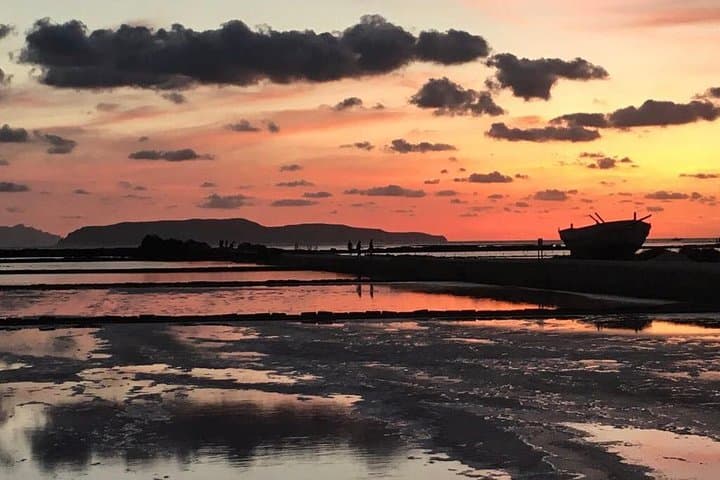
The sun sits low over glassy evaporation pools and the wind sculpts the thin crust of salt into sharp, pale ridges; you move between channels of still water with a local guide who points out a flamingo balancing on one leg as if inspecting your boots.
Verified experiences and guided adventures in the surrounding area.
Operated by Trapani Emotions · Trapani, Sicily
The sun sits low over glassy evaporation pools and the wind sculpts the thin crust of salt into sharp, pale ridges; you move between channels of still water with a local guide who points out a flamingo balancing on one leg as if inspecting your boots.
This half-day tour threads three historic salt pans inside the Saline di Trapani e Paceco reserve — Maria Stella, Salina Chiusicella and Culcasi — finishing at a 600-year-old mill turned Salt Museum in Nubia. The coast’s geology is simple and essential: shallow basins, steady Mediterranean breezes and heat that coaxes sea water into concentrated brine. For more than two millennia this landscape has fed local trade; Phoenicians and later medieval communities managed salt as a commodity and cultural keystone, and the old windmills and sluices still mark labor and hierarchy on the flats.
Expect a mix of short walks across firm, flat salt-crusted paths and minivan transfers between sites, guided explanations of the four stages of salt production, and tastings of salt crystals and fragrant fleur de sel flavored with citrus and herbs. Birdlife is active at dawn and dusk; follow the guide’s binoculars to spot herons and flamingos without disturbing nesting areas.
Practical tips: wear closed shoes with good soles, bring sun protection and a water bottle, and time visits for morning or late afternoon to avoid harsh midday glare. Trails are easy underfoot but exposed — plan for wind and strong sun. Respect signage: collecting salt or disturbing wildlife is prohibited. The tour is an accessible, sensory way to read landscape, history and local craft all at once.
easy.
2–3 hours.
Suitable for most fitness levels; mostly short flat walks with occasional boardwalk sections
The full experience lasts about 2.5 hours with short, easy walks at each salt pan and minivan transfers connecting sites.
Flamingos, herons and egrets are commonly seen, especially during early morning or late afternoon; sightings cannot be guaranteed but guides know the best vantage points.
Yes—museum admission and salt tastings (including flavored fleur de sel samples) are included as part of the tour.
Yes—the route and minivan transfers accommodate families; some boardwalks are stroller-friendly but uneven sections may require carrying very small children.
Salt production in the Trapani area dates back over 2,600 years and shaped trade routes and local economies from Phoenician times through the medieval era.
The reserve balances traditional salt harvesting with wetland conservation; visitors should follow paths, avoid collecting salt and keep noise low to protect birds and breeding habitats.
Trapani Emotions operates guided outdoor trips and adventures with an emphasis on safety, stewardship, and memorable experiences.
The sun sits low over glassy evaporation pools and the wind sculpts the thin crust of salt into sharp, pale ridges; you move between channels of still water with a local guide who points out a flamingo balancing on one leg as if inspecting your boots.
The sun sits low over glassy evaporation pools and the wind sculpts the thin crust of salt into sharp, pale ridges; you move between channels of still water with a local guide who points out a flamingo balancing on one leg as if inspecting your boots.
This half-day tour threads three historic salt pans inside the Saline di Trapani e Paceco reserve — Maria Stella, Salina Chiusicella and Culcasi — finishing at a 600-year-old mill turned Salt Museum in Nubia. The coast’s geology is simple and essential: shallow basins, steady Mediterranean breezes and heat that coaxes sea water into concentrated brine. For more than two millennia this landscape has fed local trade; Phoenicians and later medieval communities managed salt as a commodity and cultural keystone, and the old windmills and sluices still mark labor and hierarchy on the flats.
Expect a mix of short walks across firm, flat salt-crusted paths and minivan transfers between sites, guided explanations of the four stages of salt production, and tastings of salt crystals and fragrant fleur de sel flavored with citrus and herbs. Birdlife is active at dawn and dusk; follow the guide’s binoculars to spot herons and flamingos without disturbing nesting areas.
Practical tips: wear closed shoes with good soles, bring sun protection and a water bottle, and time visits for morning or late afternoon to avoid harsh midday glare. Trails are easy underfoot but exposed — plan for wind and strong sun. Respect signage: collecting salt or disturbing wildlife is prohibited. The tour is an accessible, sensory way to read landscape, history and local craft all at once.