THE ADVENTURE COLLECTIVE® · Independent discovery and booking for outdoor travel

Dive the famous USAT Liberty off Tulamben’s black-sand coast: an accessible, world-class wreck dive with tropical water, abundant corals, and an easy shore-to-boat rhythm. Learn what to expect, seasonal visibility, and practical tips for planning a safe, memorable day underwater.
Dive the famous USAT Liberty off Tulamben’s black-sand coast: an accessible, world-class wreck dive with tropical water, abundant corals, and an easy shore-to-boat rhythm. Learn what to expect, seasonal visibility, and practical tips for planning a safe, memorable day underwater.
Morning light slants across a black-sand cove as you kit up on the shore — surf tickling the steps while the USAT Liberty waits offshore, a hulking shadow over a coral carpet. Tulamben’s coast feels like a living classroom: the wreck draped in soft corals, schools of fusiliers weaving through its ribs, and gentle currents nudging divers along the hull.
Verified experiences and guided adventures in the surrounding area.
Operated by Neptune Scuba Diving · Tulamben, Bali
Morning light slants across a black-sand cove as you kit up on the shore — surf tickling the steps while the USAT Liberty waits offshore, a hulking shadow over a coral carpet. Tulamben’s coast feels like a living classroom: the wreck draped in soft corals, schools of fusiliers weaving through its ribs, and gentle currents nudging divers along the hull.
The Liberty was a US troop ship torpedoed in 1942 and later beached before sliding into shallow water, creating one of the world’s most accessible wreck dives. Geologically, Bali’s eastern shore is shaped by volcanic flows from Mount Agung and longshore transport that formed the black-sand beaches here; that sand and steady tropical water (about 28–30°C) support prolific coral growth. Local fishing villages in the Karangasem regency still practice small-scale line fishing and salt farming, and dive culture has become an important part of the economy.
Practically, this is a shore-based boat-supported day trip tailored for certified divers. Expect two dives with 45–60 minute bottom times, an on-site briefing, surface intervals with snacks, and a served lunch. Visibility varies seasonally, with the dry season typically offering the clearest water.
Plan to arrive rested and hydrated, check weights and lead placement for the wreck profile, and brief your buddy on penetration limits — the wreck is roomy but silt can close visibility fast. Bring a dive computer, surface signaling device, and reef-safe sunscreen. For first-time wreckers, a guided line or reel and conservative gas planning are essential. Tulamben rewards careful divers with close encounters of historical and marine life alike.
moderate.
6–8 hours.
Moderate fitness: able to carry equipment, perform repeated entries/exits, and swim short distances; basic buoyancy control expected.
This trip is designed for certified divers (Open Water or equivalent); Discover Scuba options exist separately but this specific itinerary expects certification.
Water is usually 28–30°C year-round; visibility ranges 10–30m depending on season and recent weather.
The wreck sits in shallow water with sections from about 5m to 30m, making it accessible to most certified divers while allowing varied dive profiles.
Yes — hotel pickup and drop-off are included; travel time from southern Bali is roughly 2.5–3 hours depending on traffic.
The USAT Liberty was torpedoed in 1942 and later became a reef when volcanic and wave action shifted the shoreline, creating an accessible wreck popular since the 1970s.
Local dive operators emphasize reef-friendly practices and many support coral restoration projects; avoid touching corals and follow operator briefings to minimize impact.
Neptune Scuba Diving operates guided outdoor trips and adventures with an emphasis on safety, stewardship, and memorable experiences.
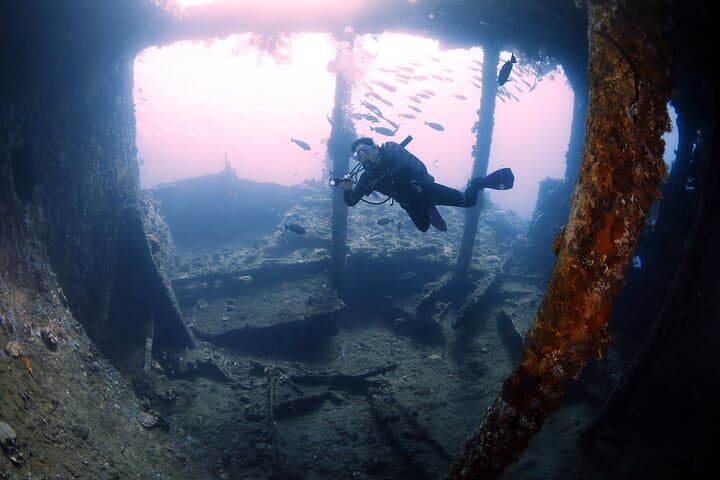
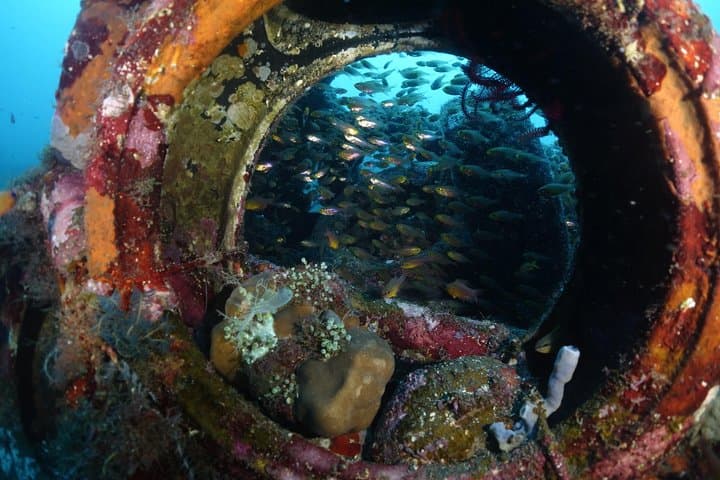
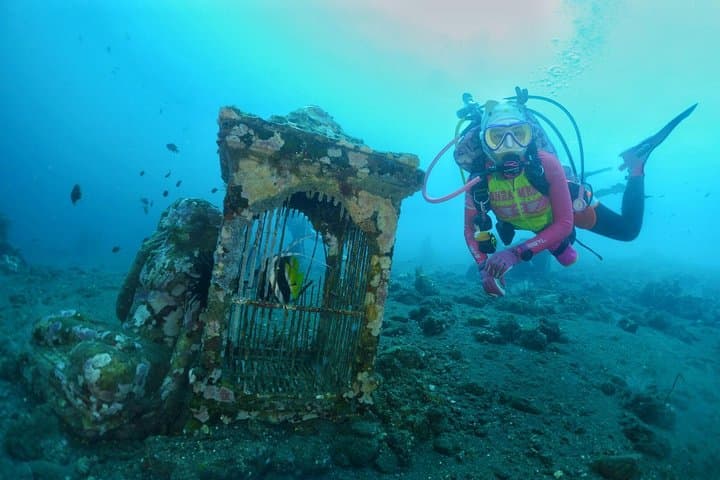
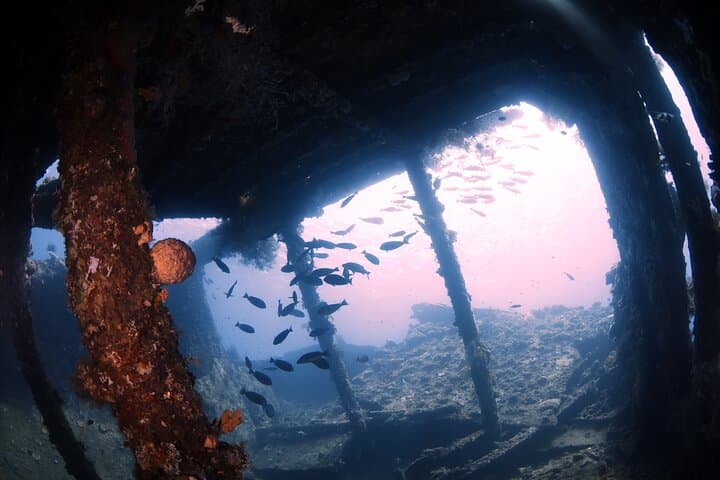
Morning light slants across a black-sand cove as you kit up on the shore — surf tickling the steps while the USAT Liberty waits offshore, a hulking shadow over a coral carpet. Tulamben’s coast feels like a living classroom: the wreck draped in soft corals, schools of fusiliers weaving through its ribs, and gentle currents nudging divers along the hull.
Morning light slants across a black-sand cove as you kit up on the shore — surf tickling the steps while the USAT Liberty waits offshore, a hulking shadow over a coral carpet. Tulamben’s coast feels like a living classroom: the wreck draped in soft corals, schools of fusiliers weaving through its ribs, and gentle currents nudging divers along the hull.
The Liberty was a US troop ship torpedoed in 1942 and later beached before sliding into shallow water, creating one of the world’s most accessible wreck dives. Geologically, Bali’s eastern shore is shaped by volcanic flows from Mount Agung and longshore transport that formed the black-sand beaches here; that sand and steady tropical water (about 28–30°C) support prolific coral growth. Local fishing villages in the Karangasem regency still practice small-scale line fishing and salt farming, and dive culture has become an important part of the economy.
Practically, this is a shore-based boat-supported day trip tailored for certified divers. Expect two dives with 45–60 minute bottom times, an on-site briefing, surface intervals with snacks, and a served lunch. Visibility varies seasonally, with the dry season typically offering the clearest water.
Plan to arrive rested and hydrated, check weights and lead placement for the wreck profile, and brief your buddy on penetration limits — the wreck is roomy but silt can close visibility fast. Bring a dive computer, surface signaling device, and reef-safe sunscreen. For first-time wreckers, a guided line or reel and conservative gas planning are essential. Tulamben rewards careful divers with close encounters of historical and marine life alike.