THE ADVENTURE COLLECTIVE® · Independent discovery and booking for outdoor travel

Board a private motorboat in Puno and cross Lake Titicaca to the Uros—handmade totora reed islands where families maintain a living tradition. This half-day private tour combines calm boat travel with close cultural exchange and easy, flat walking.
Board a private motorboat in Puno and cross Lake Titicaca to the Uros—handmade totora reed islands where families maintain a living tradition. This half-day private tour combines calm boat travel with close cultural exchange and easy, flat walking.
You step from a cool, thin-air morning onto the pier at Puno, the city’s tiled roofs lowering toward Lake Titicaca. A motorboat cuts a pale wake across the high-altitude water and, within minutes, reed islands appear on the horizon—low, warm-framed clusters that bob with the rhythm of the lake.
Verified experiences and guided adventures in the surrounding area.
Operated by LimaTours · Puno, Puno
You step from a cool, thin-air morning onto the pier at Puno, the city’s tiled roofs lowering toward Lake Titicaca. A motorboat cuts a pale wake across the high-altitude water and, within minutes, reed islands appear on the horizon—low, warm-framed clusters that bob with the rhythm of the lake.
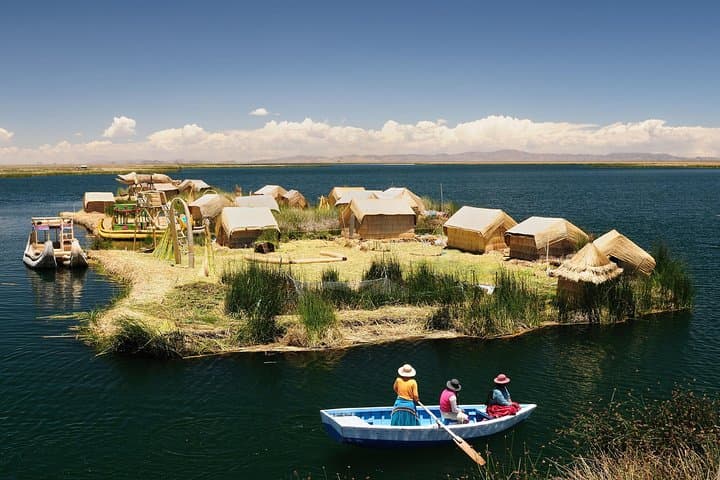
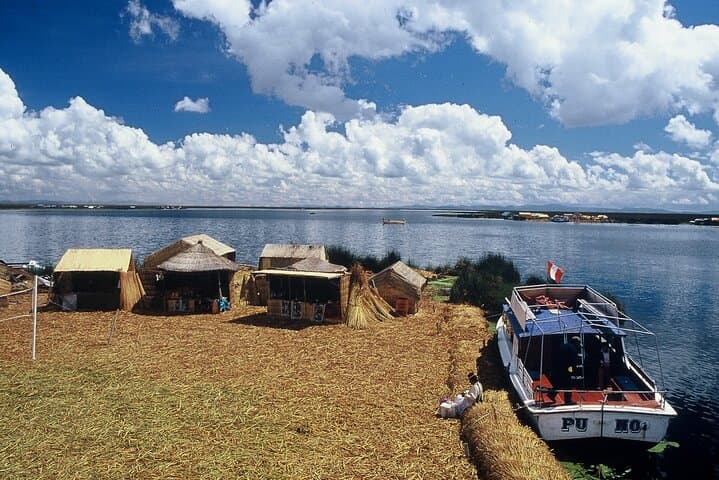
The Uros are an ancient community who built buoyant islands from totora reeds that grow in the shallows. Lake Titicaca sits in the Altiplano where uplifted lakebeds and glacial sculpting shaped broad basins and steep Andean flanks; the reeds themselves are part biology and craft, harvested and layered to renew each island’s surface.
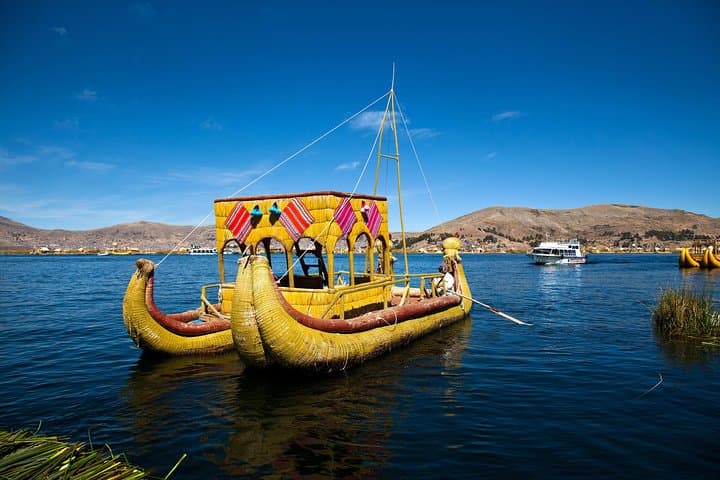
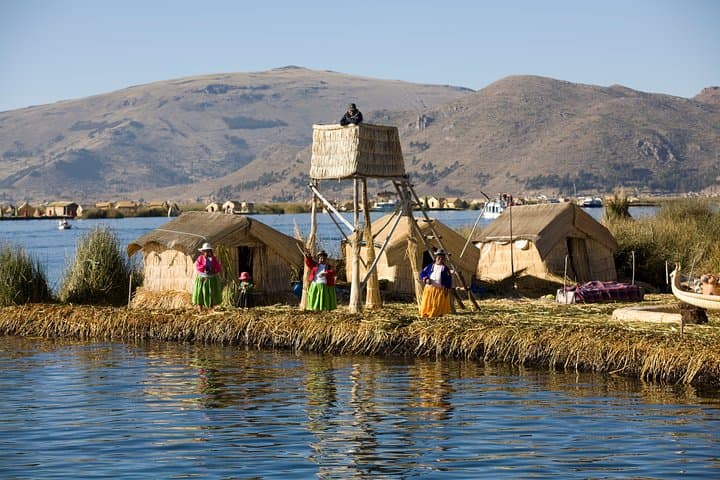
Culturally the islands remain lively: families maintain reed homes, weave boats, and speak Quechua or Aymara alongside Spanish. Tours typically include boat transfers, a guided walk across the island mats, and conversations with hosts about daily life and reed-maintenance techniques.
Practical notes: the full excursion is gentle—most walking is short and flat—but altitude matters. Expect 3–4 hours door-to-door for a half-day private tour that includes pickup in urban Puno, roughly 30–60 minutes of combined boat travel, and a guided visit.
Bring layered clothing for sun and wind, sun protection, and small bills for local handicrafts or donations. Visit during the dry months for clearer skies and calmer water; if you travel in the wet season be prepared for stronger winds and occasional rain. Respect private spaces, follow guide directions when boarding reed boats, and limit plastic to reduce impacts on the lake.
easy.
3–4 hours.
Light fitness; suitable for travelers comfortable standing and taking short flat walks. Not strenuous but altitude requires basic acclimatization.
Boat travel varies by landing point but typically totals 30–60 minutes each way depending on weather and which reed islands you visit.
Many islands are genuinely inhabited and maintained by Uros families; some are used primarily for tourism, but hosts still demonstrate traditional reed construction and daily crafts.
Yes—walking is minimal and flat, but consider altitude; infants should sit on laps and travelers with serious cardiovascular or spinal issues are advised not to join.
This private tour offers hotel pickup in urban Puno, boat transfer, admission to the islands, and a bilingual guide; book ahead in high season to secure preferred pickup times.
The Uros adapted reed-island living centuries ago as a defensive and resourceful response to regional conflicts and to exploit the lake’s abundant resources.
Lake Titicaca is ecologically sensitive; avoid single-use plastics, follow guide instructions for waste, and support community-based tourism to strengthen local stewardship.
LimaTours operates guided outdoor trips and adventures with an emphasis on safety, stewardship, and memorable experiences.
You step from a cool, thin-air morning onto the pier at Puno, the city’s tiled roofs lowering toward Lake Titicaca. A motorboat cuts a pale wake across the high-altitude water and, within minutes, reed islands appear on the horizon—low, warm-framed clusters that bob with the rhythm of the lake.
You step from a cool, thin-air morning onto the pier at Puno, the city’s tiled roofs lowering toward Lake Titicaca. A motorboat cuts a pale wake across the high-altitude water and, within minutes, reed islands appear on the horizon—low, warm-framed clusters that bob with the rhythm of the lake.
The Uros are an ancient community who built buoyant islands from totora reeds that grow in the shallows. Lake Titicaca sits in the Altiplano where uplifted lakebeds and glacial sculpting shaped broad basins and steep Andean flanks; the reeds themselves are part biology and craft, harvested and layered to renew each island’s surface.
Culturally the islands remain lively: families maintain reed homes, weave boats, and speak Quechua or Aymara alongside Spanish. Tours typically include boat transfers, a guided walk across the island mats, and conversations with hosts about daily life and reed-maintenance techniques.
Practical notes: the full excursion is gentle—most walking is short and flat—but altitude matters. Expect 3–4 hours door-to-door for a half-day private tour that includes pickup in urban Puno, roughly 30–60 minutes of combined boat travel, and a guided visit.
Bring layered clothing for sun and wind, sun protection, and small bills for local handicrafts or donations. Visit during the dry months for clearer skies and calmer water; if you travel in the wet season be prepared for stronger winds and occasional rain. Respect private spaces, follow guide directions when boarding reed boats, and limit plastic to reduce impacts on the lake.