THE ADVENTURE COLLECTIVE® · Independent discovery and booking for outdoor travel

Spend a day tracing Inca roads through the Sacred Valley, from Pisac’s vibrant market to the living ruins of Ollantaytambo. This practical guide outlines what to expect, how to prepare, and which lesser-known spots to add to your itinerary.
Spend a day tracing Inca roads through the Sacred Valley, from Pisac’s vibrant market to the living ruins of Ollantaytambo. This practical guide outlines what to expect, how to prepare, and which lesser-known spots to add to your itinerary.
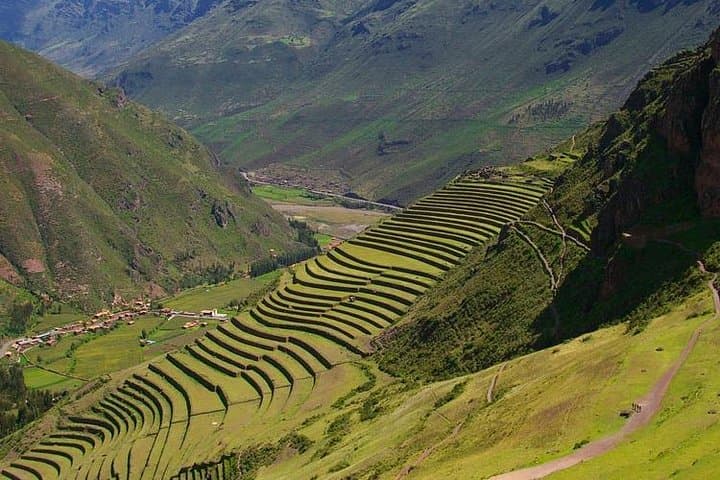
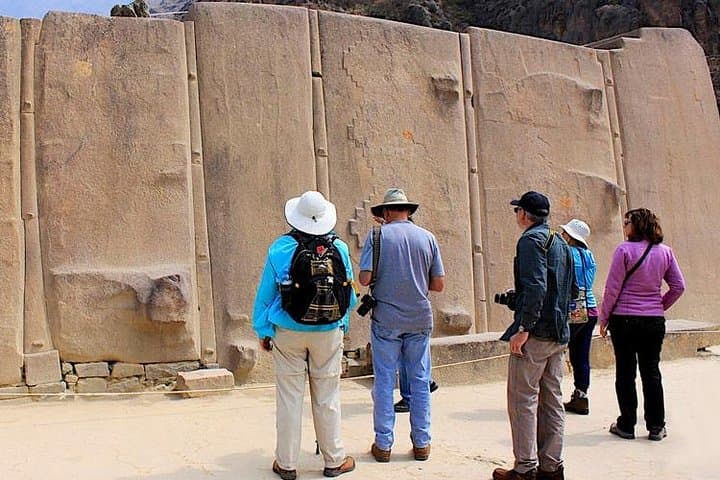
Morning air in the Sacred Valley bites with clarity — thin, cold, and bright — as the Urubamba River threads the valley floor and ancient terraces climb the hills like stepped memories. On a full-day loop from Cusco you move from the hum of Pisac’s market stalls to the cool stone corridors of Ollantaytambo, watching Quechua-speaking vendors and llamas share narrow cobbled streets.
Verified experiences and guided adventures in the surrounding area.
Operated by Machupicchu Touring · Cusco, Cusco
Morning air in the Sacred Valley bites with clarity — thin, cold, and bright — as the Urubamba River threads the valley floor and ancient terraces climb the hills like stepped memories. On a full-day loop from Cusco you move from the hum of Pisac’s market stalls to the cool stone corridors of Ollantaytambo, watching Quechua-speaking vendors and llamas share narrow cobbled streets.
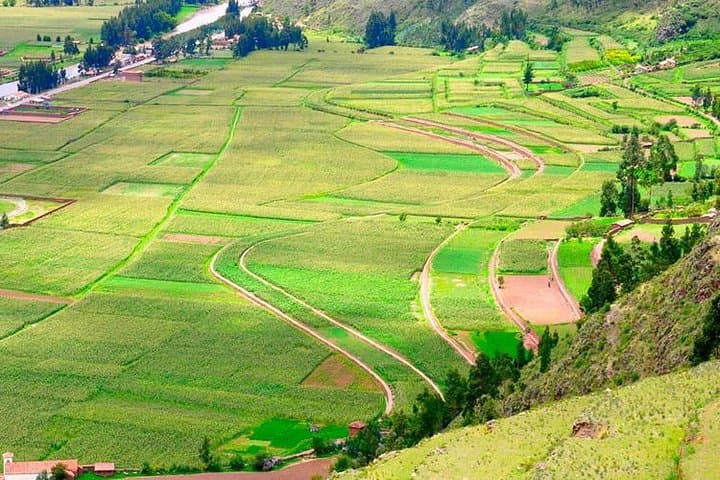
The valley was the Inca Empire’s breadbasket; its name comes from the Quechua Willcamayu, the “sacred river,” and the landscape still shows deliberate Inca planning — agricultural terraces, aqueducts and fortress-cities carved to exploit microclimates. Geologically, the valley is a glacially scoured corridor through Andean granite and metamorphic rock, with steep ridges that channel wind and sun to create varied growing zones.
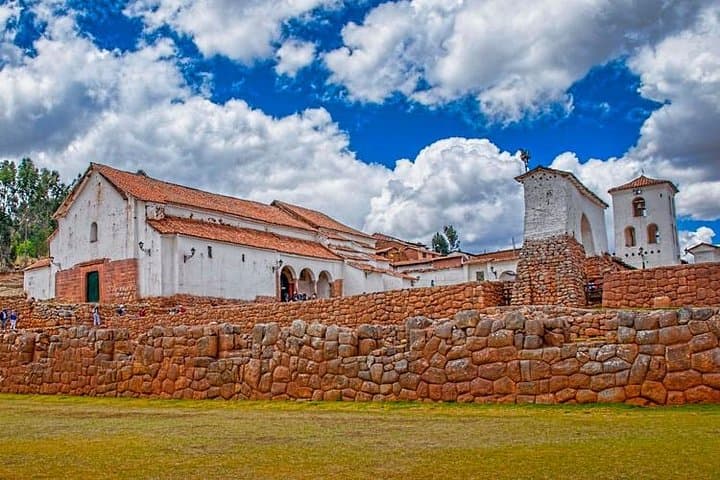
Culturally the day is equal parts archaeology and living tradition: Pisac’s market sells handwoven textiles and hatchets of design that trace back decades, Chinchero preserves colonial-era church facades atop Inca foundations, and Ollantaytambo remains a living Inca town with functioning terraces.
Practical guidance: acclimatize in Cusco (3,400 m) before the trip, expect altitudes around 2,800–3,200 m, bring sun protection, layered clothing and a refillable water bottle. Start early to avoid the mid-day crowds, carry small bills for markets and tips, and be prepared for uneven stone steps at archaeological sites. Guides typically handle logistics and transfers; confirm whether entrance fees are included when you book. The Sacred Valley moves slowly but purposefully — let the river and terraces set the pace.
easy.
10 hours.
Suitable for travelers in basic to good physical condition; involves short walks and some stair climbing at altitude.
A typical full-day tour runs about 10 hours from hotel pickup in Cusco and returns the same day.
Policies vary by operator—some tours include entrance tickets while others leave admissions as an add-on; confirm at booking.
Yes; the itinerary is low-impact walking, but the high altitude and uneven terrain mean participants should be mobile and free of serious cardiac or spinal conditions.
Most vendors prefer cash (Peruvian soles); larger stalls may accept cards, but carry small bills for bargaining and purchases.
The Sacred Valley supplied food and strategic strongholds to the Inca; sites like Ollantaytambo show continuous occupation and urban planning dating to the 13th century.
Stick to marked paths and support local artisans to ensure tourism benefits communities; avoid single-use plastics and respect fragile terrace agriculture.
Machupicchu Touring operates guided outdoor trips and adventures with an emphasis on safety, stewardship, and memorable experiences.
Morning air in the Sacred Valley bites with clarity — thin, cold, and bright — as the Urubamba River threads the valley floor and ancient terraces climb the hills like stepped memories. On a full-day loop from Cusco you move from the hum of Pisac’s market stalls to the cool stone corridors of Ollantaytambo, watching Quechua-speaking vendors and llamas share narrow cobbled streets.
Morning air in the Sacred Valley bites with clarity — thin, cold, and bright — as the Urubamba River threads the valley floor and ancient terraces climb the hills like stepped memories. On a full-day loop from Cusco you move from the hum of Pisac’s market stalls to the cool stone corridors of Ollantaytambo, watching Quechua-speaking vendors and llamas share narrow cobbled streets.
The valley was the Inca Empire’s breadbasket; its name comes from the Quechua Willcamayu, the “sacred river,” and the landscape still shows deliberate Inca planning — agricultural terraces, aqueducts and fortress-cities carved to exploit microclimates. Geologically, the valley is a glacially scoured corridor through Andean granite and metamorphic rock, with steep ridges that channel wind and sun to create varied growing zones.
Culturally the day is equal parts archaeology and living tradition: Pisac’s market sells handwoven textiles and hatchets of design that trace back decades, Chinchero preserves colonial-era church facades atop Inca foundations, and Ollantaytambo remains a living Inca town with functioning terraces.
Practical guidance: acclimatize in Cusco (3,400 m) before the trip, expect altitudes around 2,800–3,200 m, bring sun protection, layered clothing and a refillable water bottle. Start early to avoid the mid-day crowds, carry small bills for markets and tips, and be prepared for uneven stone steps at archaeological sites. Guides typically handle logistics and transfers; confirm whether entrance fees are included when you book. The Sacred Valley moves slowly but purposefully — let the river and terraces set the pace.