THE ADVENTURE COLLECTIVE® · Independent discovery and booking for outdoor travel

Walk between six sun-oriented pyramids set on Tenerife’s volcanic slope, explore curated gardens and ethnographic exhibits, and trace local geology and Polynesian-focused displays at the Ethnographic Park Pirámides de Güímar.
Walk between six sun-oriented pyramids set on Tenerife’s volcanic slope, explore curated gardens and ethnographic exhibits, and trace local geology and Polynesian-focused displays at the Ethnographic Park Pirámides de Güímar.
You step through a low gate into sunlit terraces where six stepped stone pyramids catch the light—each aligned to mark important solar dates. Wind moves across volcanic rock, and the air smells of salt and warmed earth as botanical beds and fruit trees frame the geometric forms. Paths slope gently between display gardens, exhibition spaces and picnic lawns; families, school groups and solitary walkers circulate with the patient rhythm of a living museum.
Verified experiences and guided adventures in the surrounding area.
Operated by " The Pyramids of Güímar Admission Ticket" · Güímar, Santa Cruz de Tenerife
You step through a low gate into sunlit terraces where six stepped stone pyramids catch the light—each aligned to mark important solar dates. Wind moves across volcanic rock, and the air smells of salt and warmed earth as botanical beds and fruit trees frame the geometric forms. Paths slope gently between display gardens, exhibition spaces and picnic lawns; families, school groups and solitary walkers circulate with the patient rhythm of a living museum.
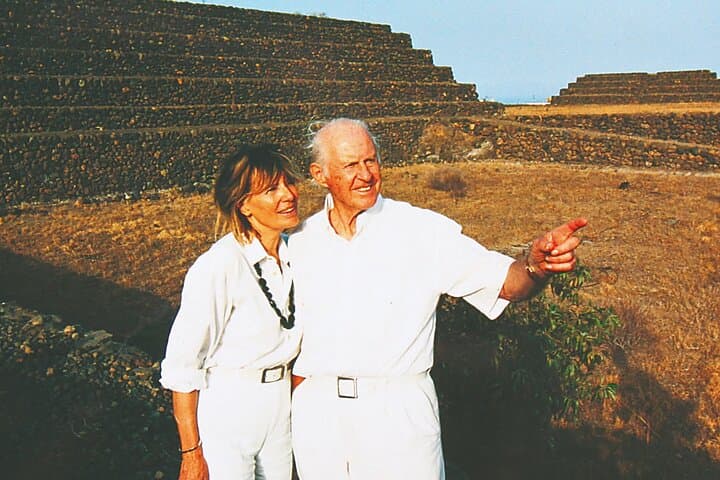
The Ethnographic Park Pirámides de Güímar fuses local geology and cultural curiosity. Built on lava flows typical of Tenerife’s southeastern slopes, the park’s pyramids drew international attention after explorer Thor Heyerdahl highlighted possible Polynesian links; the site now balances that contested history with broader ethnographic exhibits, the Casa Chacona museum and the Rapa Nui: Extreme Survival show. Four self-guided routes—the Botanical, Export Products, Cultural and Volcanic—lead through native and introduced plants, agricultural history and volcanic features cut into the landscape.
Practical guidance is straightforward: allow 1–4 hours to move at leisure, including time for the Poisonous Garden (unique in Spain), the Sustainable Garden and the Tropicarium. The site is largely wheelchair-accessible and offers audioguides, lockers, a cafeteria and picnic areas. Midday sun is strong—cover up and hydrate. The park is family-friendly with a playground and clear paths, but interpretive panels reward a slower pace. Public transport reaches Güímar; book tickets in advance for busy weekends and note the 24-hour cancellation window if plans change.
easy.
1–4 hours.
Suitable for most fitness levels; gentle slopes and paved paths require only basic mobility.
Plan 1–4 hours depending on how many routes and exhibitions you explore; allow more time for a relaxed visit including the café and picnic areas.
Yes—the outdoor museum and its gardens are generally open year-round, though check opening times and weather updates before you go.
Yes—paths and main exhibition areas are wheelchair- and stroller-accessible, and audioguides are available at reception.
Yes—Güímar is served by buses from nearby towns and cities; the park is a short local transfer from the town center.
The park’s modern incarnation reflects Thor Heyerdahl’s mid-20th-century interest in transoceanic contacts and broader ethnographic themes, now balanced with local agricultural and botanical histories.
The site emphasizes sustainability through its Sustainable Garden and careful plant management; visitors are asked to stay on paths to protect fragile volcanic soils and curated beds.
" The Pyramids of Güímar Admission Ticket" operates guided outdoor trips and adventures with an emphasis on safety, stewardship, and memorable experiences.
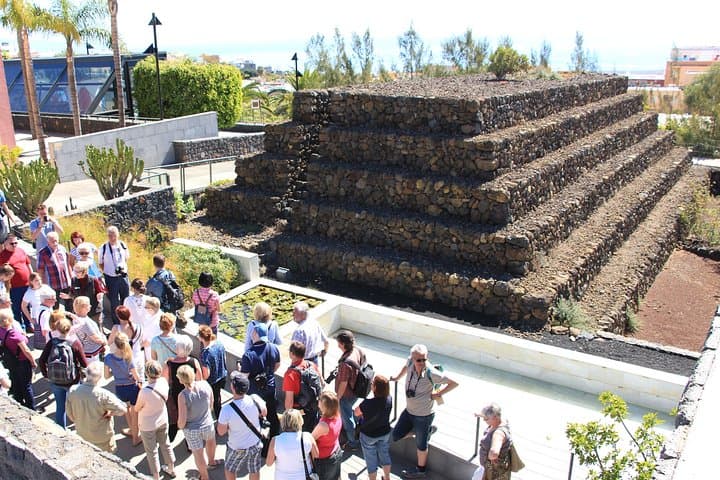
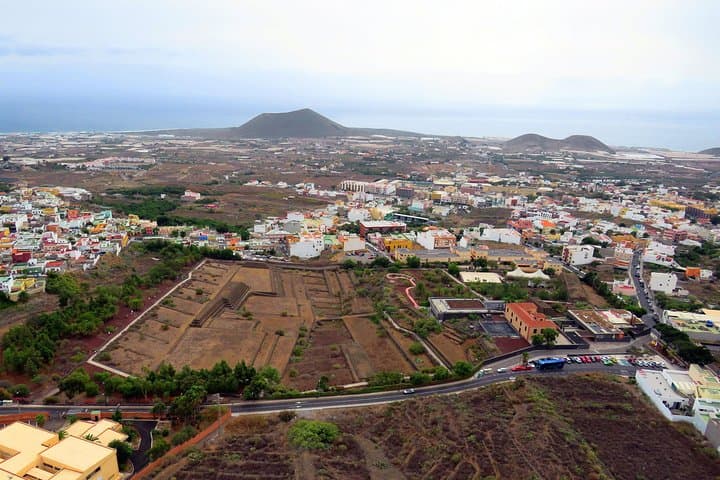
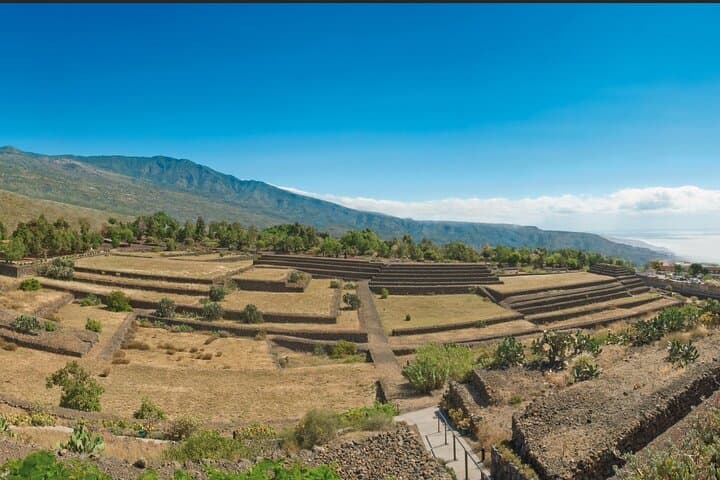
You step through a low gate into sunlit terraces where six stepped stone pyramids catch the light—each aligned to mark important solar dates. Wind moves across volcanic rock, and the air smells of salt and warmed earth as botanical beds and fruit trees frame the geometric forms. Paths slope gently between display gardens, exhibition spaces and picnic lawns; families, school groups and solitary walkers circulate with the patient rhythm of a living museum.
You step through a low gate into sunlit terraces where six stepped stone pyramids catch the light—each aligned to mark important solar dates. Wind moves across volcanic rock, and the air smells of salt and warmed earth as botanical beds and fruit trees frame the geometric forms. Paths slope gently between display gardens, exhibition spaces and picnic lawns; families, school groups and solitary walkers circulate with the patient rhythm of a living museum.
The Ethnographic Park Pirámides de Güímar fuses local geology and cultural curiosity. Built on lava flows typical of Tenerife’s southeastern slopes, the park’s pyramids drew international attention after explorer Thor Heyerdahl highlighted possible Polynesian links; the site now balances that contested history with broader ethnographic exhibits, the Casa Chacona museum and the Rapa Nui: Extreme Survival show. Four self-guided routes—the Botanical, Export Products, Cultural and Volcanic—lead through native and introduced plants, agricultural history and volcanic features cut into the landscape.
Practical guidance is straightforward: allow 1–4 hours to move at leisure, including time for the Poisonous Garden (unique in Spain), the Sustainable Garden and the Tropicarium. The site is largely wheelchair-accessible and offers audioguides, lockers, a cafeteria and picnic areas. Midday sun is strong—cover up and hydrate. The park is family-friendly with a playground and clear paths, but interpretive panels reward a slower pace. Public transport reaches Güímar; book tickets in advance for busy weekends and note the 24-hour cancellation window if plans change.