THE ADVENTURE COLLECTIVE® · Independent discovery and booking for outdoor travel

Descend beneath London’s streets to ride Mail Rail and explore five centuries of postal history. This compact museum blends interactive galleries with a secret underground railway — plan 90–150 minutes and book ahead for the ride.
Descend beneath London’s streets to ride Mail Rail and explore five centuries of postal history. This compact museum blends interactive galleries with a secret underground railway — plan 90–150 minutes and book ahead for the ride.
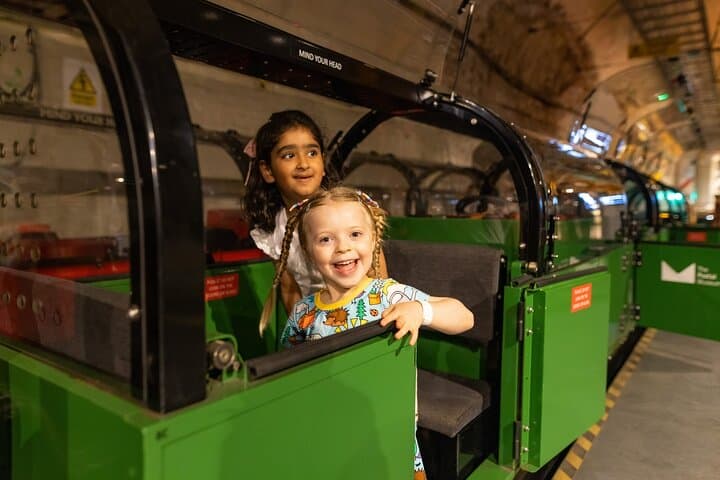
Step down from the city’s street-level rush and feel the quiet tug of history: a dim corridor, the scent of aged paper, and the soft rattle of a narrow-gauge train that once ferried letters beneath London. The Postal Museum and its Mail Rail ride compress five centuries of communication into interactive exhibits and a subterranean stretch of the capital’s service economy.
Verified experiences and guided adventures in the surrounding area.
Operated by The Postal Museum · London, England
Step down from the city’s street-level rush and feel the quiet tug of history: a dim corridor, the scent of aged paper, and the soft rattle of a narrow-gauge train that once ferried letters beneath London. The Postal Museum and its Mail Rail ride compress five centuries of communication into interactive exhibits and a subterranean stretch of the capital’s service economy.
Founded to tell the story of Britain’s postal network, the museum covers everything from early stamps and Victorian conveyances to the industrial engineering that made daily mail possible. The building is an example of adaptive reuse — Victorian industrial bones repurposed into exhibition galleries — and sits amid the working postal heritage around Mount Pleasant.
Culturally, the Postal Museum frames mail as infrastructure that shaped social rhythms: wartime logistics, colonial-era routes, and the daily intimacy of letters. Geology and landscape take a back seat here, but the subterranean ride gives a physical sense of London’s layered urban fabric.
Practical guidance: allow 90–150 minutes to see the galleries and ride Mail Rail. Buy mobile tickets in advance — the Mail Rail ride has limited capacity and the museum operates accessibility rules for the ride itself. The site is largely step-free, though the ride requires short stairs and moderate mobility. Visit midweek or early morning to avoid school groups, bring a charged phone for interactive displays, and factor in a café break; the family-friendly space is set up for hands-on learning. Whether you’re a transport buff or curious traveler, the Postal Museum turns everyday delivery into a compact, efficient lesson in how cities keep talking.
easy.
1.5–2.5 hours.
Suitable for all fitness levels; requires ability to walk ~100 metres on uneven surfaces and manage short staircases for the ride.
Plan 90–150 minutes to view exhibitions and take the Mail Rail ride; allow extra time for the café or gift shop.
The museum is largely step-free, but the Mail Rail ride itself has restrictions and requires some stair use — check accessibility info on the museum website before booking.
Mobile or paper tickets are accepted, but the attraction encourages mobile tickets and timed entries for the Mail Rail experience.
Children are welcome, but the ride has size and mobility limits; children must be supervised and infants may need to sit on laps in some areas.
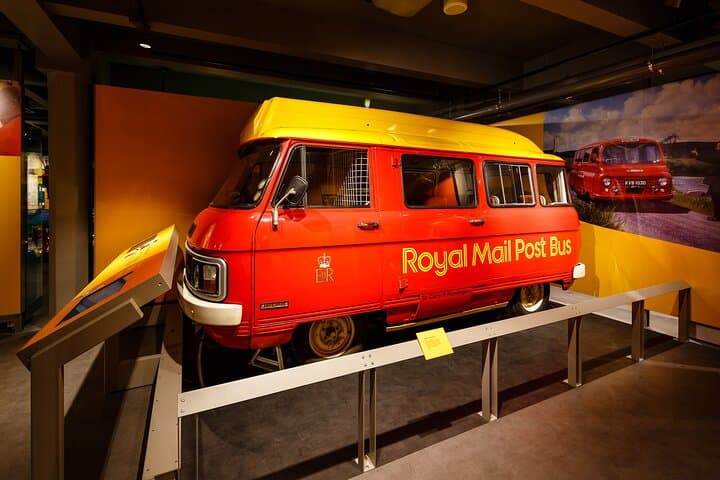
The museum traces postal services from early royal couriers and the first adhesive stamps to the underground Mail Rail that moved mail beneath London since the early 20th century.
The Postal Museum emphasizes adaptive reuse of historic industrial space and runs educational programs on preserving paper archives and reducing exhibition waste.
The Postal Museum operates guided outdoor trips and adventures with an emphasis on safety, stewardship, and memorable experiences.


Step down from the city’s street-level rush and feel the quiet tug of history: a dim corridor, the scent of aged paper, and the soft rattle of a narrow-gauge train that once ferried letters beneath London. The Postal Museum and its Mail Rail ride compress five centuries of communication into interactive exhibits and a subterranean stretch of the capital’s service economy.
Step down from the city’s street-level rush and feel the quiet tug of history: a dim corridor, the scent of aged paper, and the soft rattle of a narrow-gauge train that once ferried letters beneath London. The Postal Museum and its Mail Rail ride compress five centuries of communication into interactive exhibits and a subterranean stretch of the capital’s service economy.
Founded to tell the story of Britain’s postal network, the museum covers everything from early stamps and Victorian conveyances to the industrial engineering that made daily mail possible. The building is an example of adaptive reuse — Victorian industrial bones repurposed into exhibition galleries — and sits amid the working postal heritage around Mount Pleasant.
Culturally, the Postal Museum frames mail as infrastructure that shaped social rhythms: wartime logistics, colonial-era routes, and the daily intimacy of letters. Geology and landscape take a back seat here, but the subterranean ride gives a physical sense of London’s layered urban fabric.
Practical guidance: allow 90–150 minutes to see the galleries and ride Mail Rail. Buy mobile tickets in advance — the Mail Rail ride has limited capacity and the museum operates accessibility rules for the ride itself. The site is largely step-free, though the ride requires short stairs and moderate mobility. Visit midweek or early morning to avoid school groups, bring a charged phone for interactive displays, and factor in a café break; the family-friendly space is set up for hands-on learning. Whether you’re a transport buff or curious traveler, the Postal Museum turns everyday delivery into a compact, efficient lesson in how cities keep talking.