THE ADVENTURE COLLECTIVE® · Independent discovery and booking for outdoor travel

A full-day minibus tour across Campi Flegrei that pairs brooding volcanic landscapes with ancient Roman and Greek sites. Expect thermal vents, cratered lakes, Roman baths and practical notes on timing, terrain and what to bring.
A full-day minibus tour across Campi Flegrei that pairs brooding volcanic landscapes with ancient Roman and Greek sites. Expect thermal vents, cratered lakes, Roman baths and practical notes on timing, terrain and what to bring.
You step off the minibus and the air changes—warm gusts carry faint sulfur and the low hiss of fumaroles. Tufa cliffs and collapsed craters loom like a landscape that remembers fire, while salt-flat basins and olive groves frame views toward the Bay of Naples.
Verified experiences and guided adventures in the surrounding area.
Operated by Mondo Guide Srl · Pozzuoli, Campania
You step off the minibus and the air changes—warm gusts carry faint sulfur and the low hiss of fumaroles. Tufa cliffs and collapsed craters loom like a landscape that remembers fire, while salt-flat basins and olive groves frame views toward the Bay of Naples.
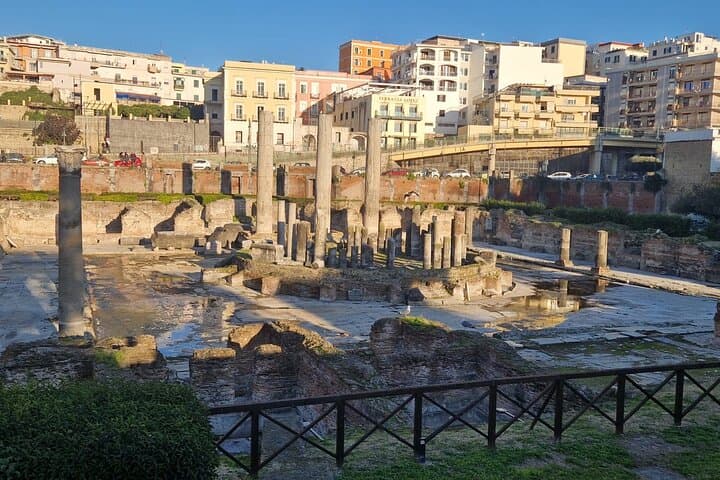
This full-day circuit across the Phlegraean Fields (Campi Flegrei) folds geology, myth and empire into one route. Greeks called this place a gateway to the underworld; Romans built villas, baths and the world's earliest amphitheater in nearby Pozzuoli. Across the plain, volcanic lakes such as Avernus, steaming solfataras, and the Piscina Mirabilis cistern reveal an active, subterranean system shaped by calderas and uplift over millennia.
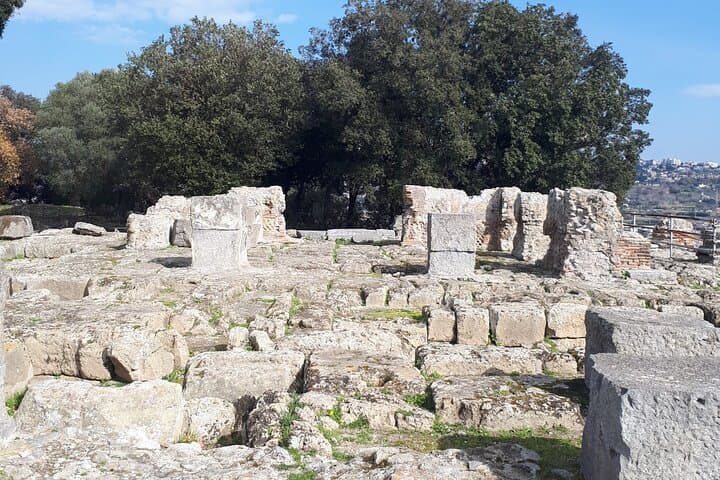
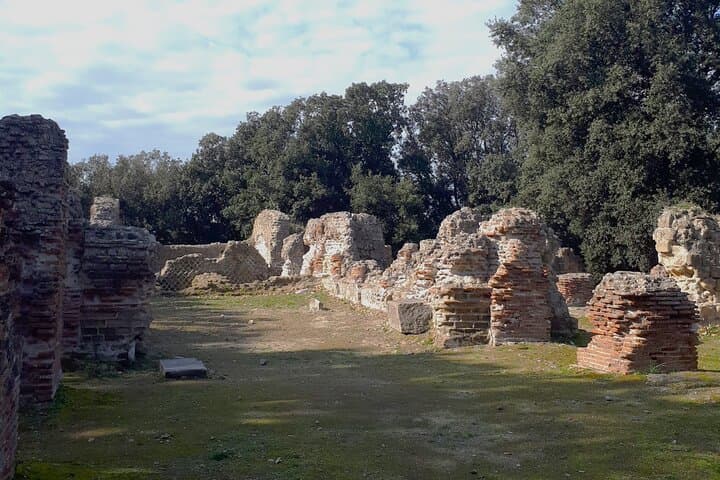
Cultural notes are everywhere: the Sibyl of Cumae’s oracle, Roman thermal engineering in Baia, and mosaicked remains that speak to resort life in antiquity. Modern towns balance fishing harbors with thermal spas fed by mineral springs used since antiquity.
Expect a mix of paved archaeological paths and short uneven sections—staircases in ruins, gravel beside craters. Wear sturdy shoes and sun protection; bring water and a light layer for coastal winds. Guided minibus tours usually cover three to four highlights in an eight-hour schedule and include transport and an English-speaking guide. Check closing days for specific sites (many archaeological parks close on certain weekdays) and aim for morning starts to avoid heat and crowds.
The Phlegraean Fields ask you to read the land: its steam, its ruins and the stubborn, slow work of volcanic forces still shaping the gulf.
moderate.
6–8 hours.
Moderate fitness for multiple short walks, stairs, and standing during explanations; not technically demanding.
The tour runs about eight hours and typically includes three to four highlights across the Phlegraean Fields, depending on the day's itinerary and site opening hours.
Families can participate—stroller access is possible in parts of the route, but expect uneven ground at archaeological sites; infant seats may be available in vehicles.
The tour includes transport, an English-speaking guide, taxes and parking; specific site admissions depend on the operator and should be checked when booking.
Some ruins have stairs and uneven terrain; travelers should have at least moderate mobility. Contact the operator about specific accessibility needs in advance.
Campi Flegrei has been shaped by repeated volcanic activity; Romans turned thermal wealth into imperial villas and naval facilities, while Greeks mythologized certain lakes as underworld gates.
The area balances archaeology with an active volcanic system—stay on marked paths to protect fragile tufa and mosaics, and follow local guidelines to reduce erosion and litter.
Mondo Guide Srl operates guided outdoor trips and adventures with an emphasis on safety, stewardship, and memorable experiences.
You step off the minibus and the air changes—warm gusts carry faint sulfur and the low hiss of fumaroles. Tufa cliffs and collapsed craters loom like a landscape that remembers fire, while salt-flat basins and olive groves frame views toward the Bay of Naples.
You step off the minibus and the air changes—warm gusts carry faint sulfur and the low hiss of fumaroles. Tufa cliffs and collapsed craters loom like a landscape that remembers fire, while salt-flat basins and olive groves frame views toward the Bay of Naples.
This full-day circuit across the Phlegraean Fields (Campi Flegrei) folds geology, myth and empire into one route. Greeks called this place a gateway to the underworld; Romans built villas, baths and the world's earliest amphitheater in nearby Pozzuoli. Across the plain, volcanic lakes such as Avernus, steaming solfataras, and the Piscina Mirabilis cistern reveal an active, subterranean system shaped by calderas and uplift over millennia.
Cultural notes are everywhere: the Sibyl of Cumae’s oracle, Roman thermal engineering in Baia, and mosaicked remains that speak to resort life in antiquity. Modern towns balance fishing harbors with thermal spas fed by mineral springs used since antiquity.
Expect a mix of paved archaeological paths and short uneven sections—staircases in ruins, gravel beside craters. Wear sturdy shoes and sun protection; bring water and a light layer for coastal winds. Guided minibus tours usually cover three to four highlights in an eight-hour schedule and include transport and an English-speaking guide. Check closing days for specific sites (many archaeological parks close on certain weekdays) and aim for morning starts to avoid heat and crowds.
The Phlegraean Fields ask you to read the land: its steam, its ruins and the stubborn, slow work of volcanic forces still shaping the gulf.