THE ADVENTURE COLLECTIVE® · Independent discovery and booking for outdoor travel

Explore the Museum of the Bible—an immersive, three-floor experience that moves from ancient scrolls to modern cultural impact. This practical guide explains what to expect, when to visit, and how to plan a focused, accessible trip.
Explore the Museum of the Bible—an immersive, three-floor experience that moves from ancient scrolls to modern cultural impact. This practical guide explains what to expect, when to visit, and how to plan a focused, accessible trip.
A visitor steps off the National Mall into a bright, modern block of glass and brick where soundscapes and projected scenes replace skyline noise. Inside, the Museum of the Bible stages stories as environments—walkable set pieces that push the text into three dimensions and invite quiet curiosity as much as spectacle.
Verified experiences and guided adventures in the surrounding area.
Operated by Museum of the Bible · Washington, DC
A visitor steps off the National Mall into a bright, modern block of glass and brick where soundscapes and projected scenes replace skyline noise. Inside, the Museum of the Bible stages stories as environments—walkable set pieces that push the text into three dimensions and invite quiet curiosity as much as spectacle.
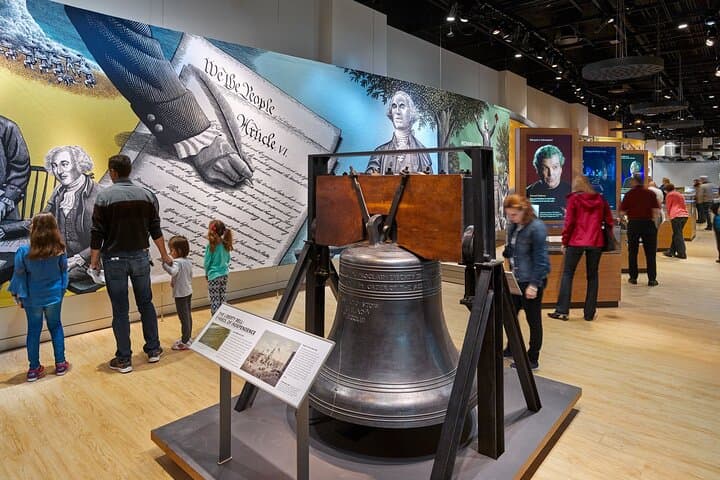
The museum opened in 2017 and was created by the Green family to present the Bible’s global influence across art, politics, and daily life. Floors are organized by theme: the Hebrew Bible experience, a World of Jesus reconstruction, and an American-focused Impact of the Bible gallery that traces printed Bibles, film, music, and civic life. Exhibits mix rare artifacts from international collections with immersive reconstructions—visitors can move from handwritten scrolls to multimedia displays in minutes.
Geology and the city frame the visit: the Potomac and the Mall’s broad lawns sit a block away, offering a quick outdoor counterpoint after indoor galleries. Culturally, the museum sits in a dense museum district—pairing this admission with neighboring Smithsonian institutions or the nearby Holocaust Memorial adds context.
Practical guidance is straightforward. Tickets are timed and redeemed at the museum ticket counter; allow about two to three hours for a focused visit. Expect security screening, camera-friendly public galleries (watch for restricted areas), and universally accessible paths. Mid-morning weekday visits reduce crowds; bring a charged phone for interactive elements and plan transport via Metro or a short walk from downtown hotels.
easy.
2–3 hours.
Suitable for all fitness levels; mostly accessible indoor walking with elevators available
Yes—timed admission is available and recommended to secure your preferred entry time; redeem mobile tickets at the museum ticket counter.
Yes—public areas, galleries, and surfaces are wheelchair accessible and elevators connect floors.
Plan about two to three hours for the primary galleries; more time if you plan to attend special programs or read displays closely.
Small bags and strollers are allowed, but all items are subject to security screening; large bags may slow entry.
Opened in 2017 by the Green family, the museum was created to present the Bible’s historical reach and contemporary influence across multiple media.
The institution follows archival conservation practices for manuscripts and artifacts; visitors are asked to avoid touching exhibits and to follow gallery rules that protect fragile items.
Museum of the Bible operates guided outdoor trips and adventures with an emphasis on safety, stewardship, and memorable experiences.
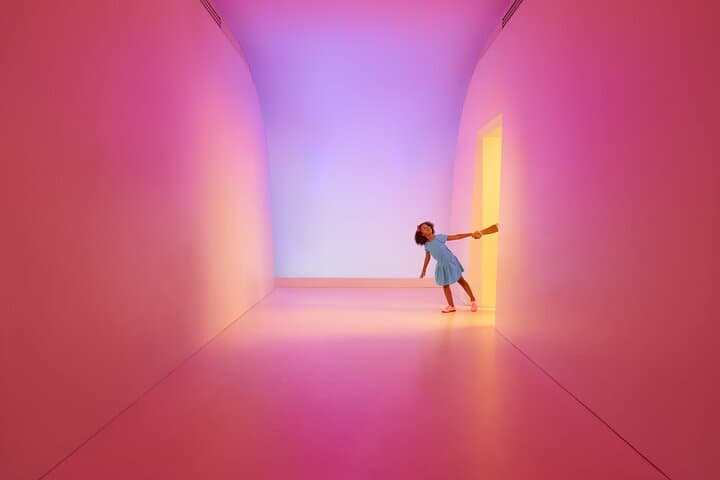
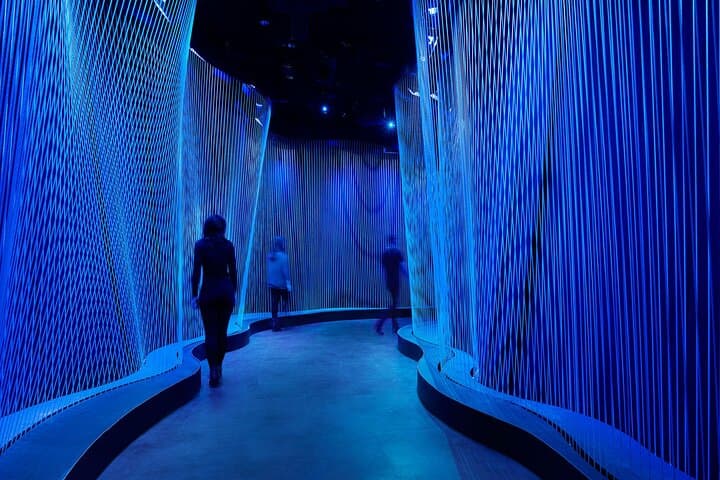
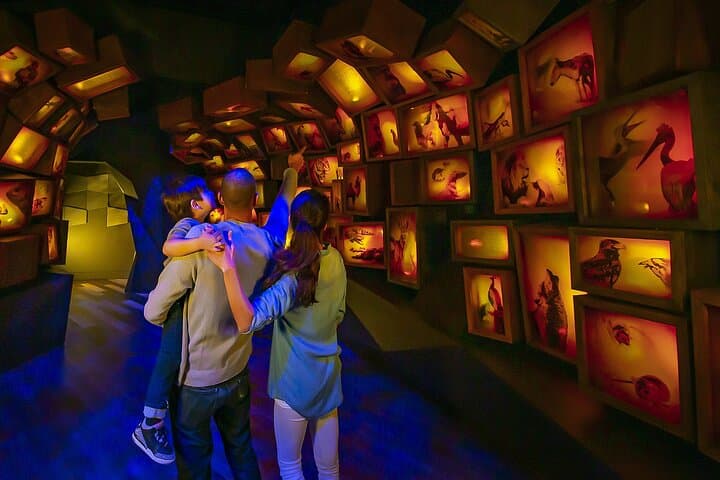
A visitor steps off the National Mall into a bright, modern block of glass and brick where soundscapes and projected scenes replace skyline noise. Inside, the Museum of the Bible stages stories as environments—walkable set pieces that push the text into three dimensions and invite quiet curiosity as much as spectacle.
A visitor steps off the National Mall into a bright, modern block of glass and brick where soundscapes and projected scenes replace skyline noise. Inside, the Museum of the Bible stages stories as environments—walkable set pieces that push the text into three dimensions and invite quiet curiosity as much as spectacle.
The museum opened in 2017 and was created by the Green family to present the Bible’s global influence across art, politics, and daily life. Floors are organized by theme: the Hebrew Bible experience, a World of Jesus reconstruction, and an American-focused Impact of the Bible gallery that traces printed Bibles, film, music, and civic life. Exhibits mix rare artifacts from international collections with immersive reconstructions—visitors can move from handwritten scrolls to multimedia displays in minutes.
Geology and the city frame the visit: the Potomac and the Mall’s broad lawns sit a block away, offering a quick outdoor counterpoint after indoor galleries. Culturally, the museum sits in a dense museum district—pairing this admission with neighboring Smithsonian institutions or the nearby Holocaust Memorial adds context.
Practical guidance is straightforward. Tickets are timed and redeemed at the museum ticket counter; allow about two to three hours for a focused visit. Expect security screening, camera-friendly public galleries (watch for restricted areas), and universally accessible paths. Mid-morning weekday visits reduce crowds; bring a charged phone for interactive elements and plan transport via Metro or a short walk from downtown hotels.