THE ADVENTURE COLLECTIVE® · Independent discovery and booking for outdoor travel

Trace 150 years of engineering, wartime history, and quirky station stories on a private two-hour walk through London’s Underground. This compact tour combines deep-level tunnels, hidden platforms, and practical tips—best tackled outside peak commute hours.
Trace 150 years of engineering, wartime history, and quirky station stories on a private two-hour walk through London’s Underground. This compact tour combines deep-level tunnels, hidden platforms, and practical tips—best tackled outside peak commute hours.
You step off the street and the city seems to fold inward—tile, iron, and the low rumble of trains that have moved London for more than a century. The guide waits under the station clock, voice cutting through commuter noise, and you begin a two-hour passage through the Underground’s oldest platforms, deep-level tunnels, and hidden corners where engineers solved problems that still shape the network.
Verified experiences and guided adventures in the surrounding area.
Operated by Brit Icon Tours · London, England
You step off the street and the city seems to fold inward—tile, iron, and the low rumble of trains that have moved London for more than a century. The guide waits under the station clock, voice cutting through commuter noise, and you begin a two-hour passage through the Underground’s oldest platforms, deep-level tunnels, and hidden corners where engineers solved problems that still shape the network.
The tour moves from Victorian engineering to wartime shelter stories and modern signalling upgrades, tracing about 150 years of infrastructure, social change, and ingenuity. Expect contrasts: ornate 19th-century tiling, brutalist concrete, and stations remodeled for speed and crowd flow. The geology of the city—dense clay and tidal sands—forced deep shafts and inventive ventilation; those constraints are visible in the passageways and stairwells you’ll climb.
Culturally, the Tube is a daily stage for Londoners; your guide threads anecdotes about famous stations, abandoned platforms, and the role the network played during the Blitz. Local insight points out quieter exits and short passages that save minutes when moving across Zone 1.
Practically: the tour is two hours, capped at 10 people, and requires a Zone 1 Travelcard or Oyster with at least £7 pay-as-you-go credit. Wear comfortable shoes and be ready for stairs—many stops have no lifts. The route isn’t wheelchair- or pram-accessible and isn’t recommended for pregnant travelers or those with spinal issues. Bring a charged phone (tickets are mobile), a small water bottle, and plan outside peak commute times for the clearest experience.
moderate.
2 hours.
Moderate fitness: able to walk up and down multiple flights of stairs and stand for portions of the tour.
Yes—bring a Zone 1 Travelcard or an Oyster card topped up with at least £7 pay-as-you-go; mobile tickets for the tour itself are accepted.
No. Due to deep platforms and stairs, the route is not accessible for wheelchair users or parents with prams.
Children are welcome but the tour’s pace and stair climbs mean supervision and stamina are required; check operator age policies when booking.
The tour runs in most weather since much of it is underground; cancellations and refunds follow the operator’s 24-hour policy for full refunds if you cancel in time.
The London Underground began in 1863 with the Metropolitan Railway; since then it expanded with deep-tube lines carved through soft London clay and repurposed stations used as wartime shelters.
Station cleanliness and heritage are managed by Transport for London; visitors can help by following signage, disposing of waste in bins, and avoiding graffiti or tampering with historical features.
Brit Icon Tours operates guided outdoor trips and adventures with an emphasis on safety, stewardship, and memorable experiences.
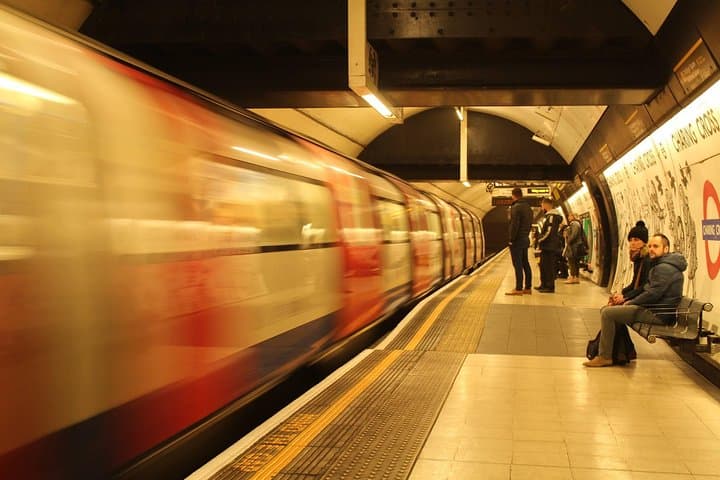
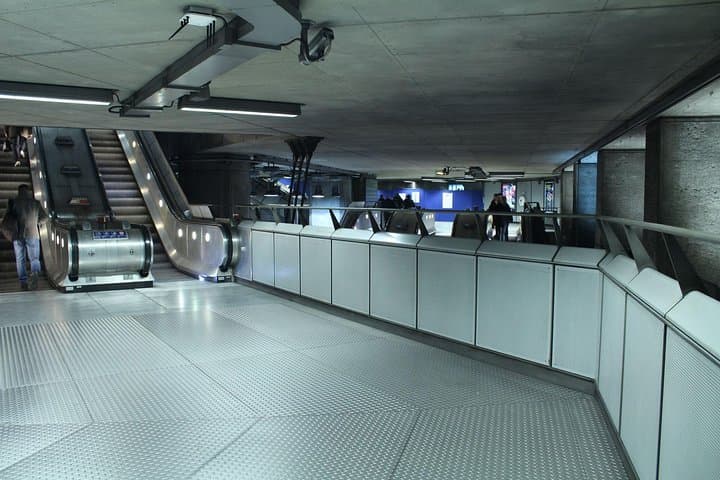
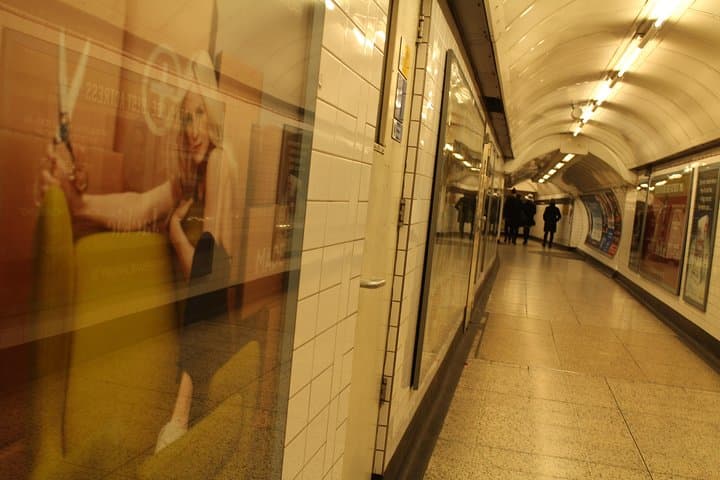
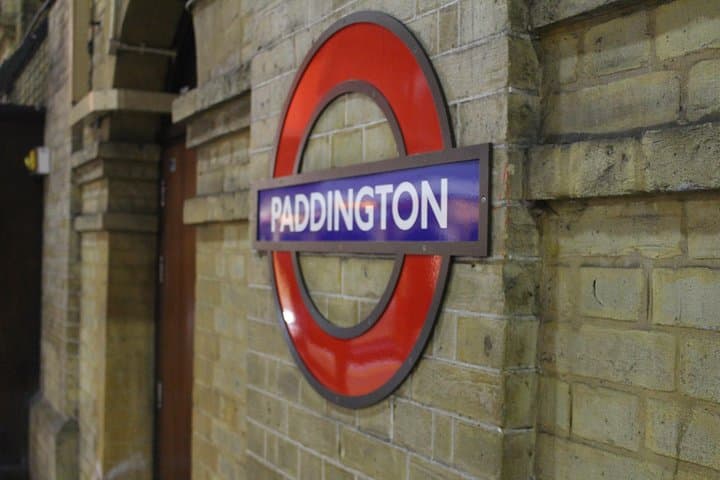
You step off the street and the city seems to fold inward—tile, iron, and the low rumble of trains that have moved London for more than a century. The guide waits under the station clock, voice cutting through commuter noise, and you begin a two-hour passage through the Underground’s oldest platforms, deep-level tunnels, and hidden corners where engineers solved problems that still shape the network.
You step off the street and the city seems to fold inward—tile, iron, and the low rumble of trains that have moved London for more than a century. The guide waits under the station clock, voice cutting through commuter noise, and you begin a two-hour passage through the Underground’s oldest platforms, deep-level tunnels, and hidden corners where engineers solved problems that still shape the network.
The tour moves from Victorian engineering to wartime shelter stories and modern signalling upgrades, tracing about 150 years of infrastructure, social change, and ingenuity. Expect contrasts: ornate 19th-century tiling, brutalist concrete, and stations remodeled for speed and crowd flow. The geology of the city—dense clay and tidal sands—forced deep shafts and inventive ventilation; those constraints are visible in the passageways and stairwells you’ll climb.
Culturally, the Tube is a daily stage for Londoners; your guide threads anecdotes about famous stations, abandoned platforms, and the role the network played during the Blitz. Local insight points out quieter exits and short passages that save minutes when moving across Zone 1.
Practically: the tour is two hours, capped at 10 people, and requires a Zone 1 Travelcard or Oyster with at least £7 pay-as-you-go credit. Wear comfortable shoes and be ready for stairs—many stops have no lifts. The route isn’t wheelchair- or pram-accessible and isn’t recommended for pregnant travelers or those with spinal issues. Bring a charged phone (tickets are mobile), a small water bottle, and plan outside peak commute times for the clearest experience.