THE ADVENTURE COLLECTIVE® · Independent discovery and booking for outdoor travel

Experience the scale and history of the Giza Plateau with a practical guide to visiting the pyramids and the Sphinx. Learn what to expect, how to prepare for the heat and terrain, and essential tips for a responsible visit.
Experience the scale and history of the Giza Plateau with a practical guide to visiting the pyramids and the Sphinx. Learn what to expect, how to prepare for the heat and terrain, and essential tips for a responsible visit.
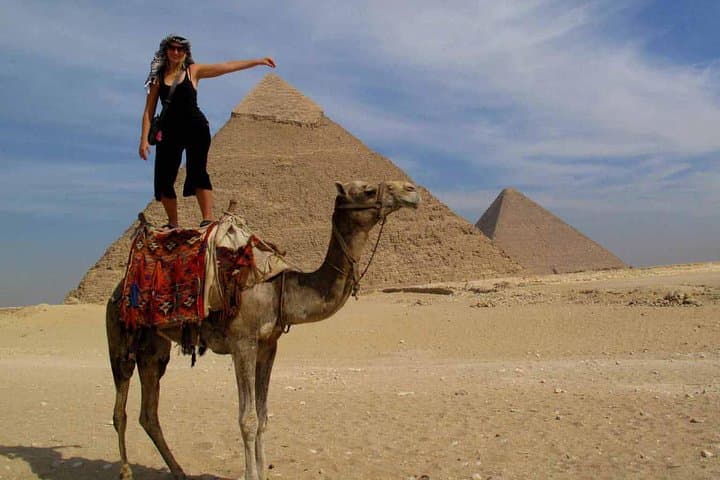
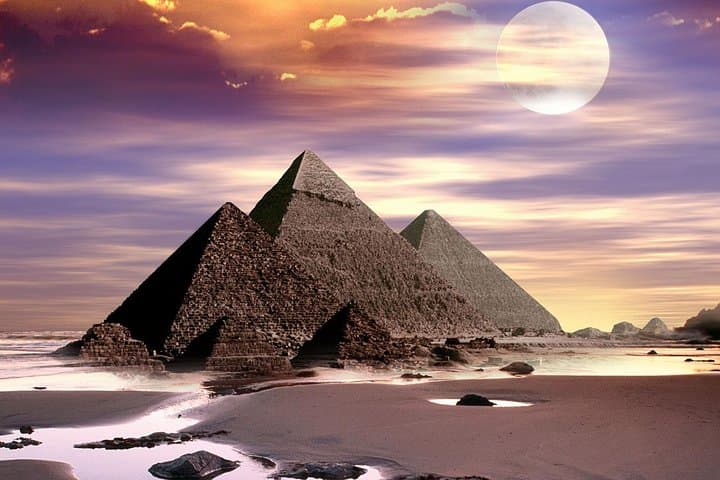
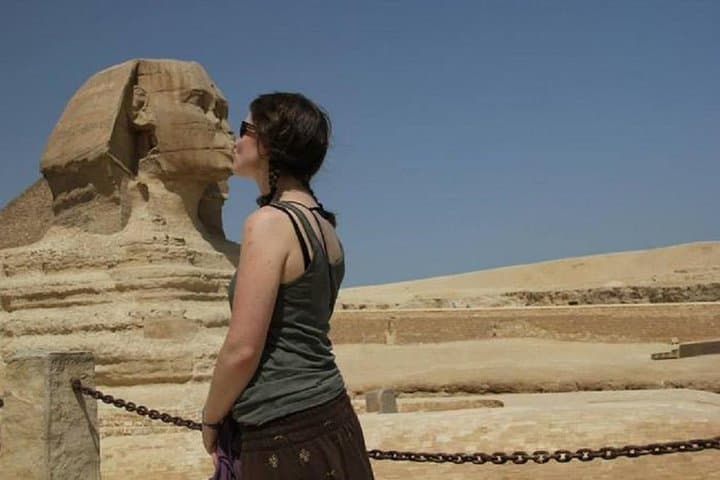
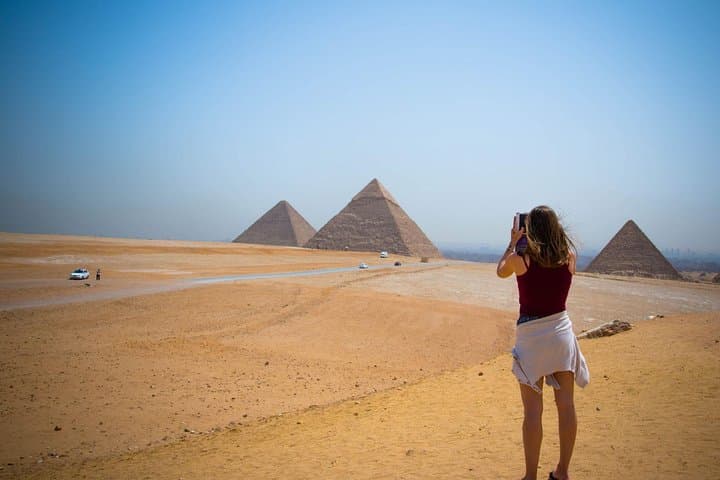
The light at Giza is harsh and honest: it skims the edges of limestone and throws the pyramids into stark relief, while a warm wind moves the sand like a restless audience. Standing on the plateau, visitors confront stone blocks stacked at human scale and geological time—Cheops looms, Chephren keeps its casing near the top, and Menkaure sits lower but no less ancient. Nearby, the Sphinx holds its gaze, a carved-human face on a lion’s body that has watched the Nile’s floodplain for millennia.
Verified experiences and guided adventures in the surrounding area.
Operated by Oman Day Tours · Giza, Giza Governorate
The light at Giza is harsh and honest: it skims the edges of limestone and throws the pyramids into stark relief, while a warm wind moves the sand like a restless audience. Standing on the plateau, visitors confront stone blocks stacked at human scale and geological time—Cheops looms, Chephren keeps its casing near the top, and Menkaure sits lower but no less ancient. Nearby, the Sphinx holds its gaze, a carved-human face on a lion’s body that has watched the Nile’s floodplain for millennia.
These monuments date to Egypt’s Old Kingdom (c. 2600–2500 BCE) and were built of local Tura and Mokattam limestone, with pink granite used in inner chambers. The site is a crossroads of archaeology, early engineering, and modern tourism; the Solar Boat Museum and mortuary temples sit close by, while local Giza culture mixes Bedouin camel handlers, souvenir vendors, and Egyptologists.
For practical visiting: expect 3–4 hours for a standard guided tour, moderate walking on packed sand and paved paths, and intense sun exposure. Cameras are allowed but some areas restrict tripods; climbing pyramids is prohibited and enforced. Wear sturdy closed shoes for uneven footing, bring at least 1–2 liters of water, and time your visit for early morning or late afternoon to avoid peak heat and harsh midday light. Purchase entrance tickets through a trusted operator or at the official gate; guides can arrange museum and tomb access. Respect local customs for dress, be cautious around animals, and leave no trace—these monuments survive because generations have cared for them.
easy.
3–4 hours.
Minimal fitness required—able to walk 1–3 miles on uneven ground and step over low barriers
Limited access is offered via a separate ticket for internal chambers and is sometimes restricted for preservation; check with your guide or ticket office in advance.
Basic restrooms and shaded stalls exist near the visitor center and some entrances; bring snacks and water as options are limited on the plateau.
Yes—handheld photography is generally allowed at external monuments; some interiors or protected areas may restrict tripods or flash photography.
The Giza Plateau sits on the western edge of greater Cairo—expect 30–60 minutes by car depending on traffic from central Cairo hotels.
The main Giza pyramids were constructed during Egypt’s Fourth Dynasty (c. 2600–2500 BCE) as royal tomb complexes combining monumental architecture and ritual landscape.
Erosion, air pollution, and heavy foot traffic threaten exposed stone; follow pathways and guidance to minimize impact and support ongoing conservation efforts.
Oman Day Tours operates guided outdoor trips and adventures with an emphasis on safety, stewardship, and memorable experiences.
The light at Giza is harsh and honest: it skims the edges of limestone and throws the pyramids into stark relief, while a warm wind moves the sand like a restless audience. Standing on the plateau, visitors confront stone blocks stacked at human scale and geological time—Cheops looms, Chephren keeps its casing near the top, and Menkaure sits lower but no less ancient. Nearby, the Sphinx holds its gaze, a carved-human face on a lion’s body that has watched the Nile’s floodplain for millennia.
The light at Giza is harsh and honest: it skims the edges of limestone and throws the pyramids into stark relief, while a warm wind moves the sand like a restless audience. Standing on the plateau, visitors confront stone blocks stacked at human scale and geological time—Cheops looms, Chephren keeps its casing near the top, and Menkaure sits lower but no less ancient. Nearby, the Sphinx holds its gaze, a carved-human face on a lion’s body that has watched the Nile’s floodplain for millennia.
These monuments date to Egypt’s Old Kingdom (c. 2600–2500 BCE) and were built of local Tura and Mokattam limestone, with pink granite used in inner chambers. The site is a crossroads of archaeology, early engineering, and modern tourism; the Solar Boat Museum and mortuary temples sit close by, while local Giza culture mixes Bedouin camel handlers, souvenir vendors, and Egyptologists.
For practical visiting: expect 3–4 hours for a standard guided tour, moderate walking on packed sand and paved paths, and intense sun exposure. Cameras are allowed but some areas restrict tripods; climbing pyramids is prohibited and enforced. Wear sturdy closed shoes for uneven footing, bring at least 1–2 liters of water, and time your visit for early morning or late afternoon to avoid peak heat and harsh midday light. Purchase entrance tickets through a trusted operator or at the official gate; guides can arrange museum and tomb access. Respect local customs for dress, be cautious around animals, and leave no trace—these monuments survive because generations have cared for them.