THE ADVENTURE COLLECTIVE® · Independent discovery and booking for outdoor travel

Drive from La Paz into sun-baked ruins and coastal villages to trace Baja Sur’s 18th–19th century mining era. This six‑hour private tour moves from brick smokestacks in El Triunfo to windswept Los Barriles, offering a mix of industrial archaeology and seaside culture.
Drive from La Paz into sun-baked ruins and coastal villages to trace Baja Sur’s 18th–19th century mining era. This six‑hour private tour moves from brick smokestacks in El Triunfo to windswept Los Barriles, offering a mix of industrial archaeology and seaside culture.
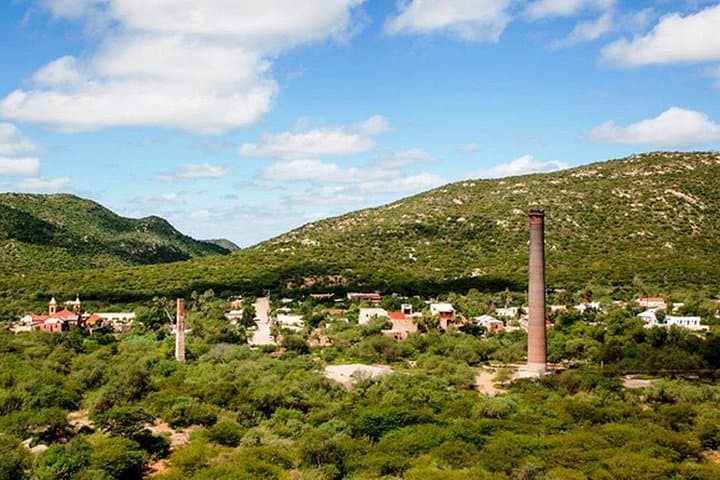
Dust rises off the two-lane road as the air-conditioning hums and Baja’s low desert pushes a warm hand through the open window. Within an hour of La Paz, the road bends toward rust-red ruins and a lone chimney—La Romana—piercing the skyline like an industrial mast. Visitors step out into sun-warmed stones and loose bricks where pickers and engines once turned ore into wealth.
Verified experiences and guided adventures in the surrounding area.
Operated by Flexible Tours Los Cabos · La Paz, Baja California Sur
Dust rises off the two-lane road as the air-conditioning hums and Baja’s low desert pushes a warm hand through the open window. Within an hour of La Paz, the road bends toward rust-red ruins and a lone chimney—La Romana—piercing the skyline like an industrial mast. Visitors step out into sun-warmed stones and loose bricks where pickers and engines once turned ore into wealth.
These towns grew from 18th‑ and 19th‑century mining booms. El Triunfo and San Antonio swelled when gold and silver veins were rediscovered; British concessions and Chinese and Yaqui labor shaped the region’s culture and architecture. Geologically, the area sits where volcanic intrusions and hydrothermal veins concentrated sulfide ores, leaving behind stair-stepped tailings, brick furnaces, and the single, 35‑meter smokestack said to have an Eiffel-era lineage.
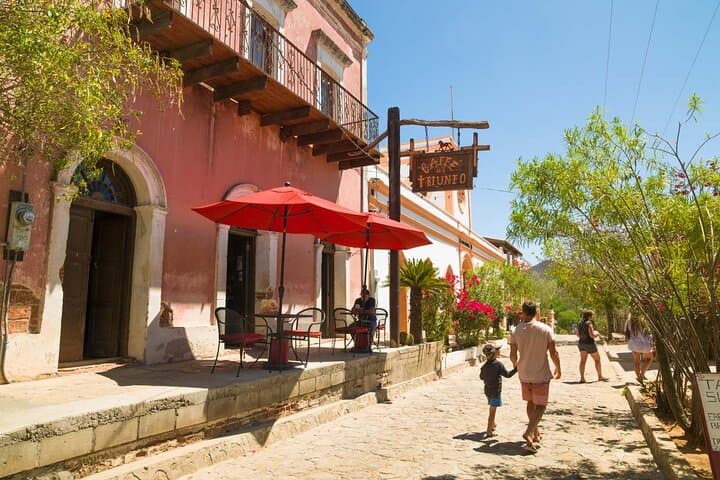
Today the silence is alive: wind pushes through collapsed corrals, and gulls patrol the coasts at Los Barriles where the Pacific and Sea of Cortez meet. The towns offer a mix of industrial archaeology, dusty plaza life, and coastal fishing villages with kite surfers carving lines on the water.
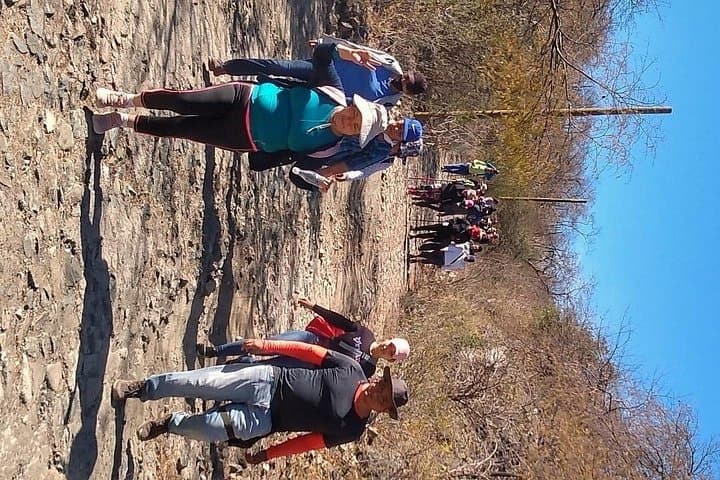
Practical guidance: plan a six-hour private tour from La Paz, ideally in the cool morning. Wear closed-toe shoes and sun protection; expect uneven ground and short walks around ruins. Bring local cash for small cafes and tips. Respect the site—do not collect artifacts—and follow your guide’s route through hazardous structures. With a compact daypack, water, and sensible shoes, travelers can move from history to sea breeze in one revealing day through Baja Sur’s quiet industrial past.
easy.
6 hours.
Light walking and standing; suitable for most fitness levels but be comfortable in heat and on uneven surfaces
The private tour runs about six hours and typically includes air-conditioned transport from La Paz and a guided visit to mining sites and coastal villages; admissions are usually not required but confirm with the provider.
The tour is rated easy with short walks; infants and small children can use strollers for some segments, but some uneven surfaces may be difficult—check specific accessibility needs when booking.
Most itineraries do not include meals or optional museum admissions; budget for a light lunch, drinks, and small entry fees if stopping at local museums or exhibits.
Pickup points are commonly offered from central La Paz hotels—confirm exact pickup location during booking and provide full names and pickup point details.
El Triunfo and San Antonio expanded after 19th‑century mineral discoveries and foreign concessions; British companies and immigrant labor shaped the towns’ boom-era architecture.
These ruins are fragile—stay on designated paths, avoid removing artifacts, and support local businesses to help preserve community livelihoods.
Flexible Tours Los Cabos operates guided outdoor trips and adventures with an emphasis on safety, stewardship, and memorable experiences.

Dust rises off the two-lane road as the air-conditioning hums and Baja’s low desert pushes a warm hand through the open window. Within an hour of La Paz, the road bends toward rust-red ruins and a lone chimney—La Romana—piercing the skyline like an industrial mast. Visitors step out into sun-warmed stones and loose bricks where pickers and engines once turned ore into wealth.
Dust rises off the two-lane road as the air-conditioning hums and Baja’s low desert pushes a warm hand through the open window. Within an hour of La Paz, the road bends toward rust-red ruins and a lone chimney—La Romana—piercing the skyline like an industrial mast. Visitors step out into sun-warmed stones and loose bricks where pickers and engines once turned ore into wealth.
These towns grew from 18th‑ and 19th‑century mining booms. El Triunfo and San Antonio swelled when gold and silver veins were rediscovered; British concessions and Chinese and Yaqui labor shaped the region’s culture and architecture. Geologically, the area sits where volcanic intrusions and hydrothermal veins concentrated sulfide ores, leaving behind stair-stepped tailings, brick furnaces, and the single, 35‑meter smokestack said to have an Eiffel-era lineage.
Today the silence is alive: wind pushes through collapsed corrals, and gulls patrol the coasts at Los Barriles where the Pacific and Sea of Cortez meet. The towns offer a mix of industrial archaeology, dusty plaza life, and coastal fishing villages with kite surfers carving lines on the water.
Practical guidance: plan a six-hour private tour from La Paz, ideally in the cool morning. Wear closed-toe shoes and sun protection; expect uneven ground and short walks around ruins. Bring local cash for small cafes and tips. Respect the site—do not collect artifacts—and follow your guide’s route through hazardous structures. With a compact daypack, water, and sensible shoes, travelers can move from history to sea breeze in one revealing day through Baja Sur’s quiet industrial past.