THE ADVENTURE COLLECTIVE® · Independent discovery and booking for outdoor travel

Visit Su Nuraxi di Barumini on a focused small-group tour from Cagliari and see one of Europe’s most important Bronze Age sites with expert interpretation. Expect hands-on history, rugged stonework, and practical tips for navigating uneven terraces.
Visit Su Nuraxi di Barumini on a focused small-group tour from Cagliari and see one of Europe’s most important Bronze Age sites with expert interpretation. Expect hands-on history, rugged stonework, and practical tips for navigating uneven terraces.
You step off the minivan and the stone complex takes command of the horizon — low towers and thick walls cut against a Sardinian sky. Wind moves across the dry grass and the ancient basalt blocks seem to keep the memory of hands that shaped them. This is Su Nuraxi di Barumini, a Bronze Age stronghold that still challenges modern assumptions about prehistoric engineering.
Verified experiences and guided adventures in the surrounding area.
Operated by Genna Tours · Barumini, Sardinia
You step off the minivan and the stone complex takes command of the horizon — low towers and thick walls cut against a Sardinian sky. Wind moves across the dry grass and the ancient basalt blocks seem to keep the memory of hands that shaped them. This is Su Nuraxi di Barumini, a Bronze Age stronghold that still challenges modern assumptions about prehistoric engineering.
Archaeology here traces back to the Nuragic civilization (c. 1800–500 BCE). The central keep and concentric bastions are built from local volcanic rock; their construction shows an understanding of weight distribution and communal planning. The nearby Zapata House sits atop a larger nuraghe, a visible sign of layered occupation and local social hierarchy. Culturally, Barumini sits in the agricultural heart of Sardinia — shepherding and dry-stone masonry traditions persist in villages nearby.
On a guided, small-group tour from Cagliari you’ll get focused interpretation: construction techniques, funerary practices, and why the complex earned UNESCO status. Expect 4 hours total—transport, guided visits of Su Nuraxi and the Zapata House, and time for photographs.
Practicalities: wear closed, grippy shoes for uneven terraces; carry water and sun protection (shade is sparse in summer); allow mobility limitations—some stair-like stones and narrow passages can be tight. The meeting point is in Cagliari (Eni Gas Station) with luxury transport for up to six guests; entrance is included. Mornings or late afternoons thin the crowds and ease heat. Respect signage — parts of the site are fragile — and leave no trace while you walk through this living chapter of Sardinia’s past.
moderate.
4 hours.
Moderate fitness: able to walk on uneven ground and climb short stone steps several times
The experience is approximately 4 hours total, including transportation from Cagliari, guided visits to Su Nuraxi and the Zapata House, and photo stops.
No — uneven stone surfaces, stair-like features and narrow passages make the main archaeological areas unsuitable for wheelchairs.
Yes, the tour price includes entrance tickets to Su Nuraxi and associated sites listed in the itinerary.
The meeting point is in front of the Eni Gas Station in Cagliari; luxury transport departs from there for the small-group transfer.
Su Nuraxi is a central example of the Nuragic civilization’s towered stone complexes (c. 1800–500 BCE) and earned UNESCO recognition for its preservation and archaeological value.
The site is protected and visitor numbers are managed; stick to marked paths and avoid touching fragile masonry to support ongoing conservation efforts.
Genna Tours operates guided outdoor trips and adventures with an emphasis on safety, stewardship, and memorable experiences.
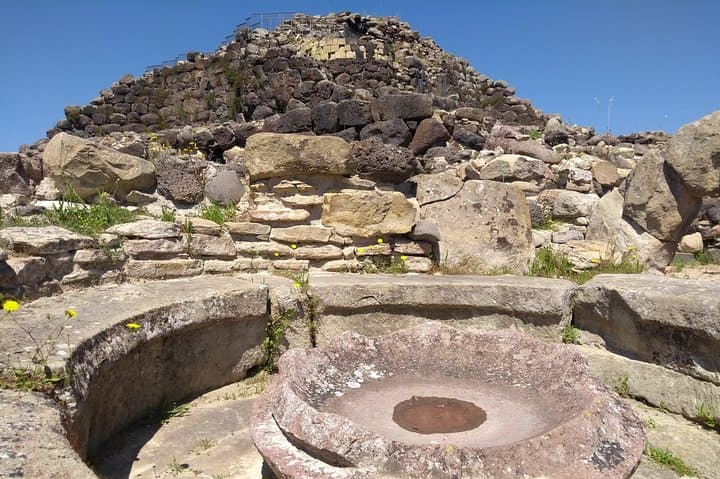
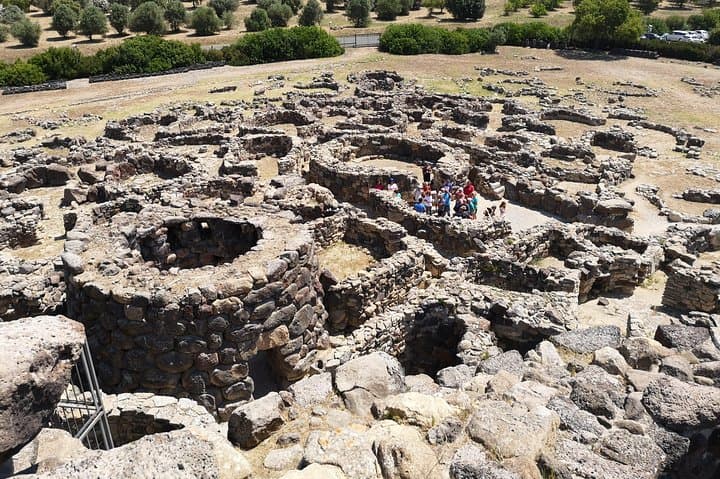
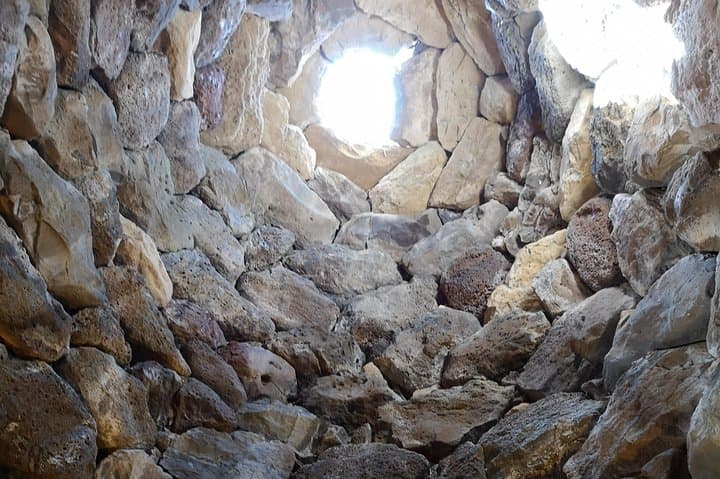
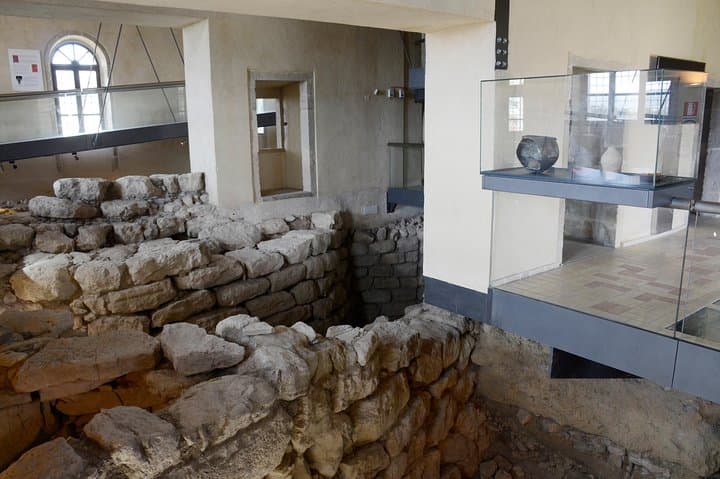
You step off the minivan and the stone complex takes command of the horizon — low towers and thick walls cut against a Sardinian sky. Wind moves across the dry grass and the ancient basalt blocks seem to keep the memory of hands that shaped them. This is Su Nuraxi di Barumini, a Bronze Age stronghold that still challenges modern assumptions about prehistoric engineering.
You step off the minivan and the stone complex takes command of the horizon — low towers and thick walls cut against a Sardinian sky. Wind moves across the dry grass and the ancient basalt blocks seem to keep the memory of hands that shaped them. This is Su Nuraxi di Barumini, a Bronze Age stronghold that still challenges modern assumptions about prehistoric engineering.
Archaeology here traces back to the Nuragic civilization (c. 1800–500 BCE). The central keep and concentric bastions are built from local volcanic rock; their construction shows an understanding of weight distribution and communal planning. The nearby Zapata House sits atop a larger nuraghe, a visible sign of layered occupation and local social hierarchy. Culturally, Barumini sits in the agricultural heart of Sardinia — shepherding and dry-stone masonry traditions persist in villages nearby.
On a guided, small-group tour from Cagliari you’ll get focused interpretation: construction techniques, funerary practices, and why the complex earned UNESCO status. Expect 4 hours total—transport, guided visits of Su Nuraxi and the Zapata House, and time for photographs.
Practicalities: wear closed, grippy shoes for uneven terraces; carry water and sun protection (shade is sparse in summer); allow mobility limitations—some stair-like stones and narrow passages can be tight. The meeting point is in Cagliari (Eni Gas Station) with luxury transport for up to six guests; entrance is included. Mornings or late afternoons thin the crowds and ease heat. Respect signage — parts of the site are fragile — and leave no trace while you walk through this living chapter of Sardinia’s past.