THE ADVENTURE COLLECTIVE® · Independent discovery and booking for outdoor travel

Ride an old Soviet car from Tbilisi to Gori, Borjomi and Chiatura to see Stalin’s birthplace, mineral springs, and rusting cable cars. This compact two‑day tour mixes living history, industrial landscapes and the odd, unforgettable night in a Soviet sanatorium.
Ride an old Soviet car from Tbilisi to Gori, Borjomi and Chiatura to see Stalin’s birthplace, mineral springs, and rusting cable cars. This compact two‑day tour mixes living history, industrial landscapes and the odd, unforgettable night in a Soviet sanatorium.
A gravel Soviet-era road hums under the chassis as you push out of Tbilisi at dawn, windows down, the car’s frame clacking like a machine that remembers different rules. In the first hour the city’s modern sprawl gives way to low government blocks and straight avenues from the USSR period; by midmorning you’re in Gori, where the Stalin Museum lays out personal artifacts and armored train cars that map a brutal, complicated chapter of 20th‑century history.
Verified experiences and guided adventures in the surrounding area.
Operated by Explorer Tours · Tbilisi, Tbilisi
A gravel Soviet-era road hums under the chassis as you push out of Tbilisi at dawn, windows down, the car’s frame clacking like a machine that remembers different rules. In the first hour the city’s modern sprawl gives way to low government blocks and straight avenues from the USSR period; by midmorning you’re in Gori, where the Stalin Museum lays out personal artifacts and armored train cars that map a brutal, complicated chapter of 20th‑century history.
The landscape shifts again toward Borjomi—green slopes, mineral springs that still fizz with the iron‑bright taste Russians once queued for. The Romanov-era palace and the surrounding park show how the resort culture contrasted with the industrial heartlands. Overnight in a preserved sanatorium offers a raw, archival experience of Soviet architecture and communal design; modern hotel upgrades are usually available on request.
On day two the route threads into Chiatura, a mining town where rusting aerial tramways stitch the canyons. Riding one of the old cable cars feels like stepping into a cinematic relic: cables groan, cliffs lean in, the town’s Soviet skeleton lays bare the era’s industrial priorities.
Practical guidance: this is primarily a driving-and-walking cultural tour with short site visits, suitable for travelers comfortable with basic vehicles and intermittent amenities. Bring layers for changing microclimates, carry local currency for small restaurants and entry fees, and allow flexible timing—roads and weather set the pace. The trip delivers history, heavy industry, and mineral landscapes in concentrated, tangible form.
easy.
1–2 days.
Suitable for most travelers; requires ability to walk short distances and navigate stairs in museums and old buildings.
Most bookings offer pickup from central Tbilisi; confirm your pickup point during booking and allow flexibility for city traffic.
The tour offers Soviet car and sanatorium options but can be substituted with modern vehicles or hotels on request—confirm before departure.
Operator notes a minimum age of 18 for booking; check with the provider for exceptions or family‑friendly alternatives.
Guides are typically English-speaking for international bookings; confirm language needs at reservation to ensure a compatible guide.
The route traces Soviet-era state planning: mining towns and health resorts were tied to industrial and political priorities, with Gori notable as Joseph Stalin’s birthplace and propaganda center.
Borjomi’s park is a protected area—stick to marked trails and avoid single‑use plastics; the industrial heritage sites are fragile and benefit from respectful, low-impact visitation.
Explorer Tours operates guided outdoor trips and adventures with an emphasis on safety, stewardship, and memorable experiences.

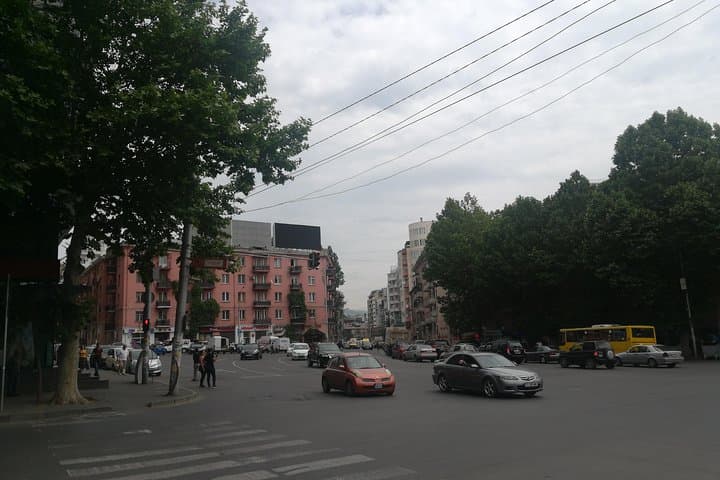
A gravel Soviet-era road hums under the chassis as you push out of Tbilisi at dawn, windows down, the car’s frame clacking like a machine that remembers different rules. In the first hour the city’s modern sprawl gives way to low government blocks and straight avenues from the USSR period; by midmorning you’re in Gori, where the Stalin Museum lays out personal artifacts and armored train cars that map a brutal, complicated chapter of 20th‑century history.
A gravel Soviet-era road hums under the chassis as you push out of Tbilisi at dawn, windows down, the car’s frame clacking like a machine that remembers different rules. In the first hour the city’s modern sprawl gives way to low government blocks and straight avenues from the USSR period; by midmorning you’re in Gori, where the Stalin Museum lays out personal artifacts and armored train cars that map a brutal, complicated chapter of 20th‑century history.
The landscape shifts again toward Borjomi—green slopes, mineral springs that still fizz with the iron‑bright taste Russians once queued for. The Romanov-era palace and the surrounding park show how the resort culture contrasted with the industrial heartlands. Overnight in a preserved sanatorium offers a raw, archival experience of Soviet architecture and communal design; modern hotel upgrades are usually available on request.
On day two the route threads into Chiatura, a mining town where rusting aerial tramways stitch the canyons. Riding one of the old cable cars feels like stepping into a cinematic relic: cables groan, cliffs lean in, the town’s Soviet skeleton lays bare the era’s industrial priorities.
Practical guidance: this is primarily a driving-and-walking cultural tour with short site visits, suitable for travelers comfortable with basic vehicles and intermittent amenities. Bring layers for changing microclimates, carry local currency for small restaurants and entry fees, and allow flexible timing—roads and weather set the pace. The trip delivers history, heavy industry, and mineral landscapes in concentrated, tangible form.