THE ADVENTURE COLLECTIVE® · Independent discovery and booking for outdoor travel

Trace the faded geometry of Soviet ambition across abandoned sanatoriums, culture houses, and the cable cars of Chiatura. This three-day urbex tour through Western Georgia combines guided access with local insight for a hands-on look at a complex past.
Trace the faded geometry of Soviet ambition across abandoned sanatoriums, culture houses, and the cable cars of Chiatura. This three-day urbex tour through Western Georgia combines guided access with local insight for a hands-on look at a complex past.
The bus eases out of Kutaisi at dawn and the road breathes into the rugged folds of Imereti — concrete facades and broken glass catch the first light like relics holding court.
Verified experiences and guided adventures in the surrounding area.
Operated by Camp Caucasus · Kutaisi, Imereti
The bus eases out of Kutaisi at dawn and the road breathes into the rugged folds of Imereti — concrete facades and broken glass catch the first light like relics holding court.
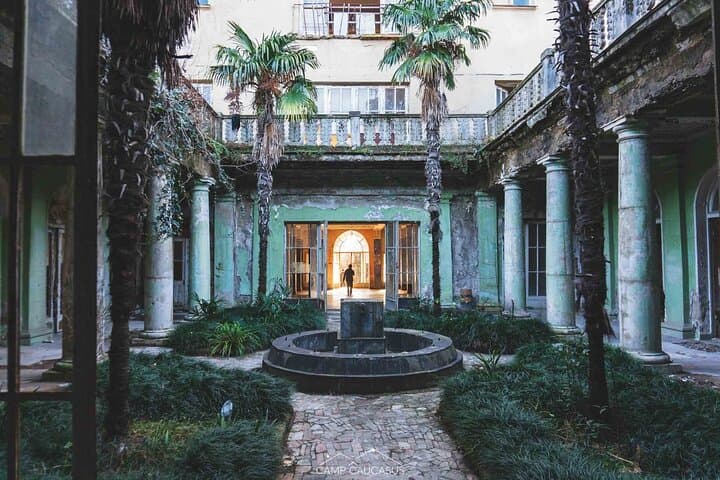
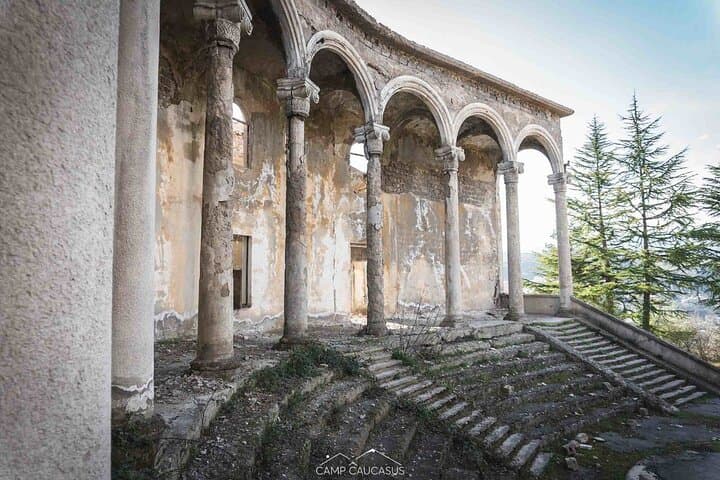
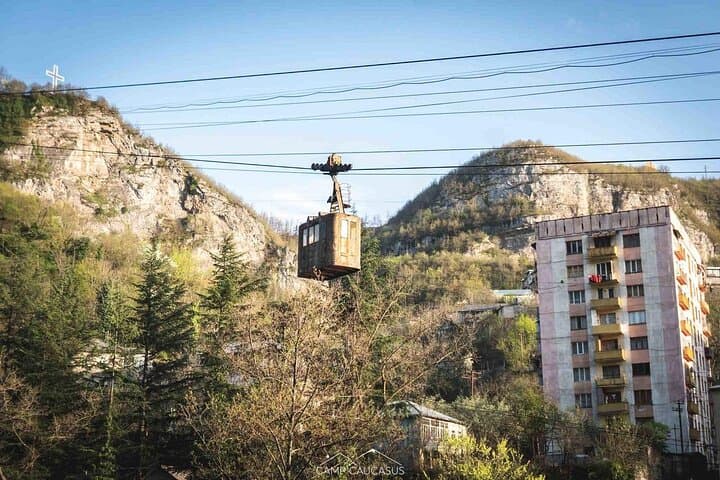
Over three days you push open heavy doors, move through silent bathhouses, and climb to rusted cable cars above Chiatura. The surface tells a human story: Soviet-era sanatoriums built for mass recuperation, culture houses designed for communal rallies, and mining infrastructure that kept towns alive. Geology here is honest — karst ridges and limestone valleys shaped the routes miners cut and the sanatoriums that sought clean air in their shadows.
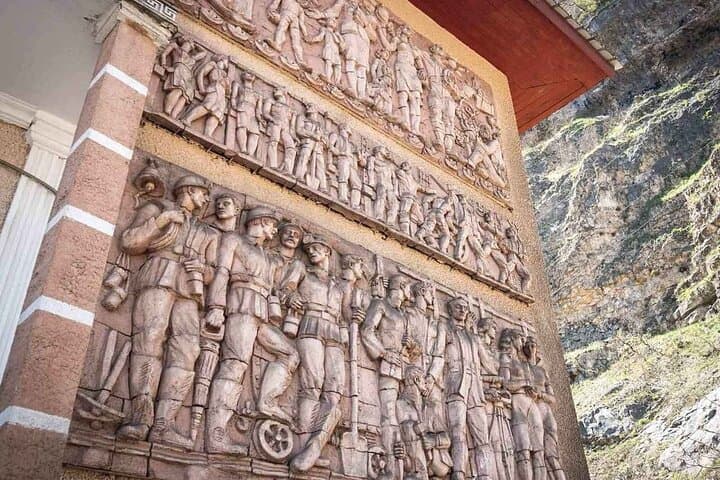
Culturally, Western Georgia is layered: local families operate guesthouses in Tskaltubo, and vintage ornamentation in theatres and spas speaks to mid-20th-century ambition. Expect stone stairwells, chipped white tile, Soviet mosaics, and the distant hum of local life reclaiming these sites.
Practical guidance: most visits involve uneven floors, loose railings, and limited lighting — bring a reliable headlamp and sturdy footwear. Guides manage permissions and safety; follow their instructions and avoid touching unstable plasterwork. Plan for short drives between sites, modest guesthouse amenities, and the chance to add a winery stop or a soak in a restored bath if available.
Timing matters: mornings are best for photography and cooler exploring; afternoons can be hot and quieter. Respect private property, carry cash for local meals, and be prepared for cobbled streets and unmarked stairs — the reward is access to spaces few travelers see and a direct window into a complex regional history.
moderate.
3 days.
Light to moderate walking fitness; able to manage stairs, short hikes, and uneven surfaces for multiple half-day excursions.
Licensed guides lead access and assess structural risk; they will restrict entry to unstable areas—follow their direction and avoid solo exploration.
The tour operator secures permissions for most sites included; guests do not need separate permits but should carry ID as requested.
Yes; lodging is typically family-run guesthouses in Tskaltubo with modest comforts, local meals included as noted.
Yes; operators often allow adjustments such as optional winery visits, an overnight in a former military sanatorium, or altered pacing with advance notice.
Tskaltubo grew into a Soviet spa hub in the mid-20th century, with elaborate sanatoriums built to treat workers; Chiatura developed around manganese mining and its famed cable-car network.
Respect structures and avoid adding graffiti or removing artifacts; staying on guided routes helps preserve fragile interiors and supports local communities rebuilding around heritage tourism.
Camp Caucasus operates guided outdoor trips and adventures with an emphasis on safety, stewardship, and memorable experiences.
The bus eases out of Kutaisi at dawn and the road breathes into the rugged folds of Imereti — concrete facades and broken glass catch the first light like relics holding court.
The bus eases out of Kutaisi at dawn and the road breathes into the rugged folds of Imereti — concrete facades and broken glass catch the first light like relics holding court.
Over three days you push open heavy doors, move through silent bathhouses, and climb to rusted cable cars above Chiatura. The surface tells a human story: Soviet-era sanatoriums built for mass recuperation, culture houses designed for communal rallies, and mining infrastructure that kept towns alive. Geology here is honest — karst ridges and limestone valleys shaped the routes miners cut and the sanatoriums that sought clean air in their shadows.
Culturally, Western Georgia is layered: local families operate guesthouses in Tskaltubo, and vintage ornamentation in theatres and spas speaks to mid-20th-century ambition. Expect stone stairwells, chipped white tile, Soviet mosaics, and the distant hum of local life reclaiming these sites.
Practical guidance: most visits involve uneven floors, loose railings, and limited lighting — bring a reliable headlamp and sturdy footwear. Guides manage permissions and safety; follow their instructions and avoid touching unstable plasterwork. Plan for short drives between sites, modest guesthouse amenities, and the chance to add a winery stop or a soak in a restored bath if available.
Timing matters: mornings are best for photography and cooler exploring; afternoons can be hot and quieter. Respect private property, carry cash for local meals, and be prepared for cobbled streets and unmarked stairs — the reward is access to spaces few travelers see and a direct window into a complex regional history.