THE ADVENTURE COLLECTIVE® · Independent discovery and booking for outdoor travel

Walk beneath towering palms, trace ancient irrigation channels and examine earthen kasbah architecture on a private guided stroll through Skoura oasis. This two-hour experience pairs natural history with local craft and a possible homestay lunch.
Walk beneath towering palms, trace ancient irrigation channels and examine earthen kasbah architecture on a private guided stroll through Skoura oasis. This two-hour experience pairs natural history with local craft and a possible homestay lunch.
You step off the dusty road into a corridor of palms; trunks rise like weathered columns and a thin canal threads sunlight across the soil. The air smells faintly of warm earth and olive oil as your guide leads you through narrow paths that have fed families for generations.
Verified experiences and guided adventures in the surrounding area.
Operated by Skourabalades · Skoura, Ouarzazate Province
You step off the dusty road into a corridor of palms; trunks rise like weathered columns and a thin canal threads sunlight across the soil. The air smells faintly of warm earth and olive oil as your guide leads you through narrow paths that have fed families for generations.
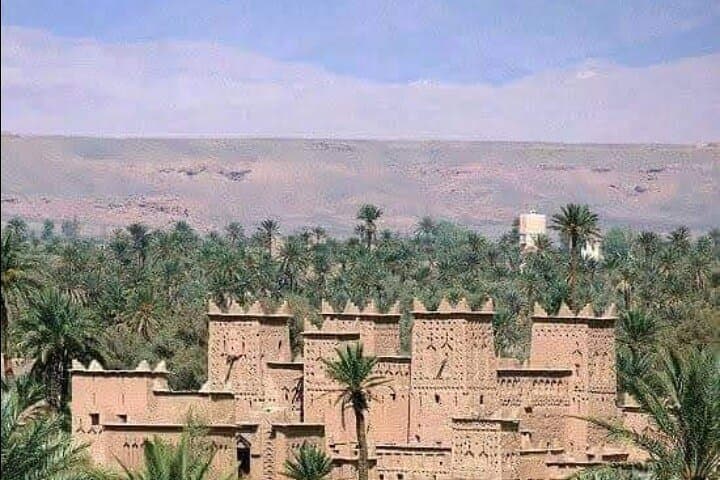
Skoura’s palm grove sits on the eastern edge of the High Atlas foothills, where alluvial deposits and seasonal runoff make small-scale agriculture possible. The walk threads past mud-brick kasbahs—fortified houses with carved lintels—and alongside the age-old khattara irrigation channels that siphon groundwater into date palms and vegetable plots. Local potters still shape clay by hand here; many workshops offer a quick demonstration of forming, firing and finishing that connects craft to everyday life.
Culturally, this is Amazigh country with Arabic influences; homestay lunches and small family cooperatives are common. Geology is subtle but crucial: broken rock from distant mountains fills streambeds, creating pockets of fertility where palms and figs thrive.
Practical guidance: the tour is short (about two hours) but sun exposure is high—start early or late afternoon. Wear sturdy closed-toe shoes for uneven farm tracks, carry water and a light layer for wind. Photography is welcomed, but ask before photographing people and respect private property signs. If you have time, the 17th-century Kasbah Amridil is a concentrated example of local architecture and often included in guided routes. The walk is an accessible, cultural-first hike that pairs easily with a homestay meal or a longer valley walk to Sidi Flah for lunch.
moderate.
2 hours.
Suitable for travelers in average physical condition; involves walking on uneven farm tracks and short climbs
The tour lasts about two hours, typically covering the palm grove, a kasbah visit and a short pottery demonstration.
Yes, but mobility limitations should be noted when booking; the terrain includes uneven farm tracks and occasional steps.
Public facilities are limited; use facilities at your accommodation before arrival or ask your guide about local stops.
Yes, many guides offer an optional homestay or local lunch at the end of the walk—request this when booking.
Skoura’s oasis systems and kasbah architecture developed over centuries as communities adapted to limited water through khattara channels and fortified residences.
Small-scale agriculture here depends on fragile groundwater and traditional irrigation; visitors should avoid wasting water and stick to established paths to protect root systems.
Skourabalades operates guided outdoor trips and adventures with an emphasis on safety, stewardship, and memorable experiences.
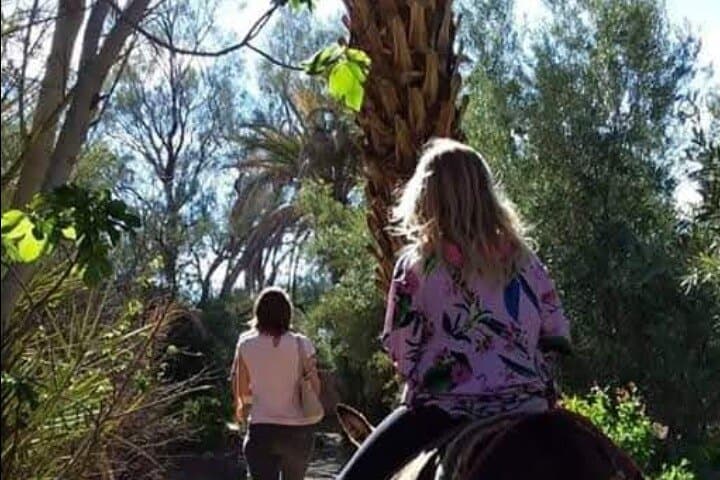


You step off the dusty road into a corridor of palms; trunks rise like weathered columns and a thin canal threads sunlight across the soil. The air smells faintly of warm earth and olive oil as your guide leads you through narrow paths that have fed families for generations.
You step off the dusty road into a corridor of palms; trunks rise like weathered columns and a thin canal threads sunlight across the soil. The air smells faintly of warm earth and olive oil as your guide leads you through narrow paths that have fed families for generations.
Skoura’s palm grove sits on the eastern edge of the High Atlas foothills, where alluvial deposits and seasonal runoff make small-scale agriculture possible. The walk threads past mud-brick kasbahs—fortified houses with carved lintels—and alongside the age-old khattara irrigation channels that siphon groundwater into date palms and vegetable plots. Local potters still shape clay by hand here; many workshops offer a quick demonstration of forming, firing and finishing that connects craft to everyday life.
Culturally, this is Amazigh country with Arabic influences; homestay lunches and small family cooperatives are common. Geology is subtle but crucial: broken rock from distant mountains fills streambeds, creating pockets of fertility where palms and figs thrive.
Practical guidance: the tour is short (about two hours) but sun exposure is high—start early or late afternoon. Wear sturdy closed-toe shoes for uneven farm tracks, carry water and a light layer for wind. Photography is welcomed, but ask before photographing people and respect private property signs. If you have time, the 17th-century Kasbah Amridil is a concentrated example of local architecture and often included in guided routes. The walk is an accessible, cultural-first hike that pairs easily with a homestay meal or a longer valley walk to Sidi Flah for lunch.