THE ADVENTURE COLLECTIVE® · Independent discovery and booking for outdoor travel

Ride the tram through Singapore Zoo’s open-concept habitats and meet orangutans, lions, and rare species like the white tiger. This guide explains what to expect, practical planning tips, and how to maximize wildlife sightings during your visit.
Ride the tram through Singapore Zoo’s open-concept habitats and meet orangutans, lions, and rare species like the white tiger. This guide explains what to expect, practical planning tips, and how to maximize wildlife sightings during your visit.
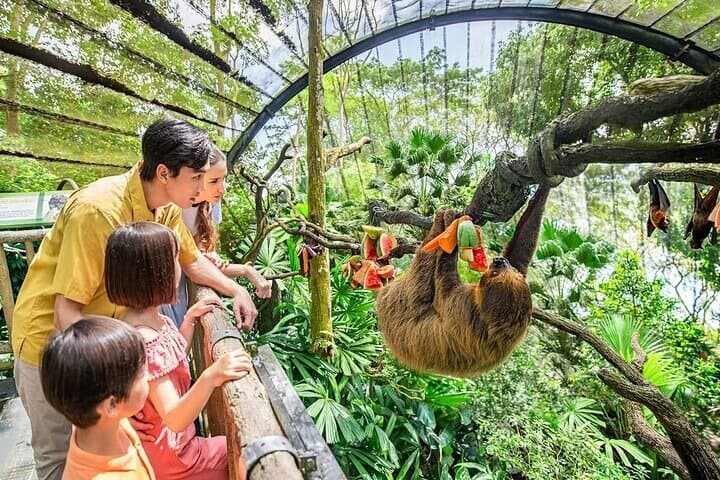
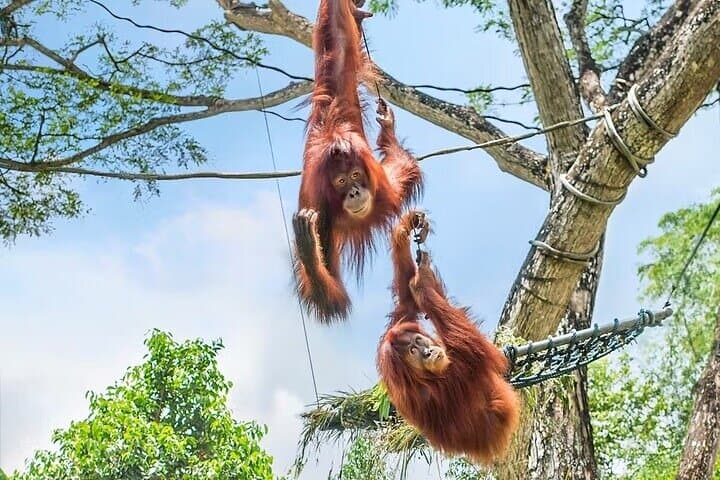
You step through a low gate and humidity wraps around you like a held breath—tall palms sway, cicadas punctuate the air, and the path opens onto wide, green habitats where orangutans move with deliberate curiosity and a white tiger pads behind foliage.
Verified experiences and guided adventures in the surrounding area.
Operated by Dream Fly Tourism LLC · Singapore, Singapore
You step through a low gate and humidity wraps around you like a held breath—tall palms sway, cicadas punctuate the air, and the path opens onto wide, green habitats where orangutans move with deliberate curiosity and a white tiger pads behind foliage.
Opened in 1973, the Singapore Zoo helped redefine modern animal display in Southeast Asia by favoring open-concept enclosures over bars. Located in the Mandai lowland forest, the park sits on gently rolling terrain carved by tropical rainfall rather than dramatic geology; its appeal is ecological continuity rather than alpine spectacle. The zoo is part of a larger Mandai wildlife precinct that includes conservation and education programs important to Singapore’s urban-nature balance.
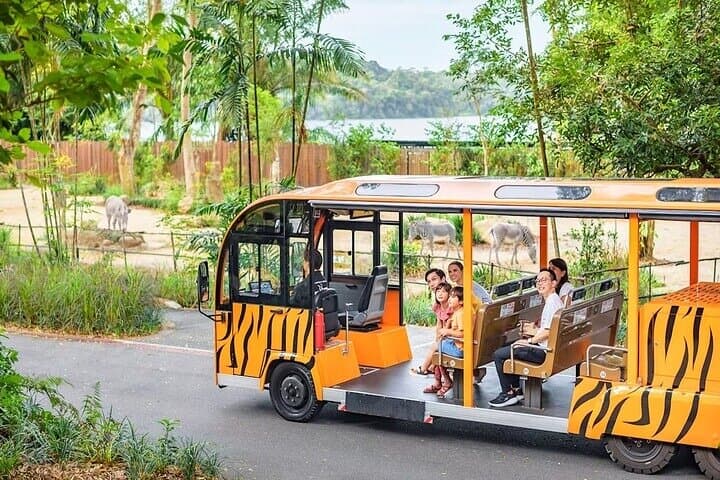
Expect easy circulation thanks to an unlimited tram that loops between major exhibits—ideal for families or anyone limiting walking. Interpretive signs, scheduled feedings, and keeper talks provide cultural and scientific context: species recovery programs, regional conservation partnerships, and hands-on education for children.
Practical guidance: arrive early for cooler temperatures and active animals, buy tickets with tram access to save time, and plan a 2–4 hour visit if you skip shows and 3–5+ hours to see most exhibits. Wear breathable fabrics, bring sunscreen and a refillable water bottle, and have a lightweight rain layer for sudden tropical showers. Accessibility is good—the tram and paved paths accommodate strollers and wheelchairs—but keep an eye on weather-related schedule changes for outdoor shows.
The Singapore Zoo isn’t wilderness—it’s a curated bridge to wildlife that rewards curiosity, planning, and a steady camera hand.
easy.
2–5 hours.
Suitable for all fitness levels; basic walking stamina helpful for a full visit.
Yes—this ticket includes unlimited tram access within the zoo, allowing hop-on/hop-off convenience throughout your visit.
Yes—the zoo has paved paths and tram access designed to accommodate strollers and most wheelchairs; some viewing platforms may have steps.
Outside snacks and non-alcoholic drinks are generally allowed, but check current park rules; there are also food outlets and picnic areas.
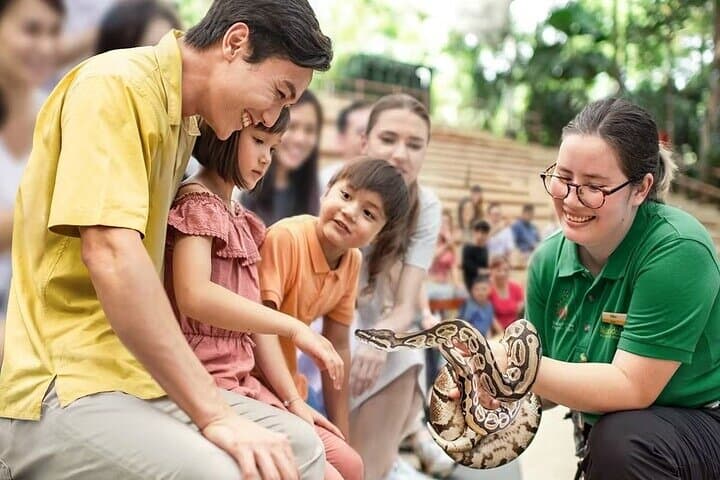
Scheduled feeding demonstrations are part of the visitor experience, but specific encounters may require separate passes or be timed—check the daily schedule on arrival.
The zoo opened in 1973 and was an early adopter in replacing barred enclosures with naturalistic exhibits, helping shape modern zoo design in the region.
The park participates in regional breeding and species-recovery programs and emphasizes education; visitors can support conservation by following park rules and minimizing single-use plastics.
Dream Fly Tourism LLC operates guided outdoor trips and adventures with an emphasis on safety, stewardship, and memorable experiences.
You step through a low gate and humidity wraps around you like a held breath—tall palms sway, cicadas punctuate the air, and the path opens onto wide, green habitats where orangutans move with deliberate curiosity and a white tiger pads behind foliage.
You step through a low gate and humidity wraps around you like a held breath—tall palms sway, cicadas punctuate the air, and the path opens onto wide, green habitats where orangutans move with deliberate curiosity and a white tiger pads behind foliage.
Opened in 1973, the Singapore Zoo helped redefine modern animal display in Southeast Asia by favoring open-concept enclosures over bars. Located in the Mandai lowland forest, the park sits on gently rolling terrain carved by tropical rainfall rather than dramatic geology; its appeal is ecological continuity rather than alpine spectacle. The zoo is part of a larger Mandai wildlife precinct that includes conservation and education programs important to Singapore’s urban-nature balance.
Expect easy circulation thanks to an unlimited tram that loops between major exhibits—ideal for families or anyone limiting walking. Interpretive signs, scheduled feedings, and keeper talks provide cultural and scientific context: species recovery programs, regional conservation partnerships, and hands-on education for children.
Practical guidance: arrive early for cooler temperatures and active animals, buy tickets with tram access to save time, and plan a 2–4 hour visit if you skip shows and 3–5+ hours to see most exhibits. Wear breathable fabrics, bring sunscreen and a refillable water bottle, and have a lightweight rain layer for sudden tropical showers. Accessibility is good—the tram and paved paths accommodate strollers and wheelchairs—but keep an eye on weather-related schedule changes for outdoor shows.
The Singapore Zoo isn’t wilderness—it’s a curated bridge to wildlife that rewards curiosity, planning, and a steady camera hand.