THE ADVENTURE COLLECTIVE® · Independent discovery and booking for outdoor travel

Stand on Cairo’s hilltop and watch the city unfold beneath the Citadel of Salah El‑Din. This 5‑hour private tour moves through Ottoman mosques, palatial rooms and military collections while offering panoramic views toward the pyramids.
Stand on Cairo’s hilltop and watch the city unfold beneath the Citadel of Salah El‑Din. This 5‑hour private tour moves through Ottoman mosques, palatial rooms and military collections while offering panoramic views toward the pyramids.
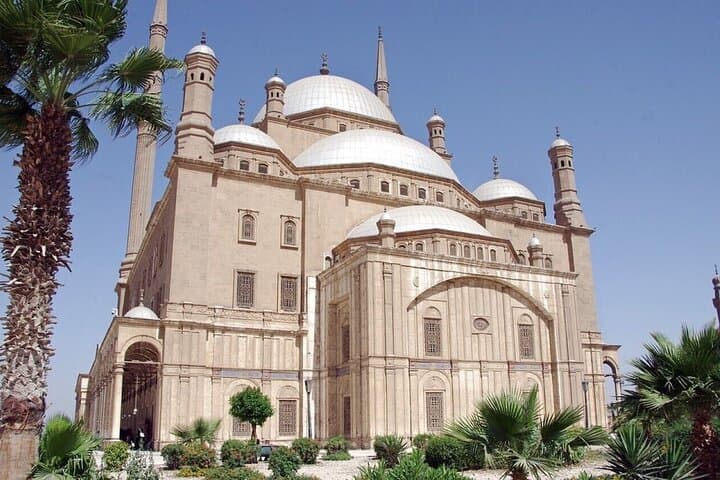
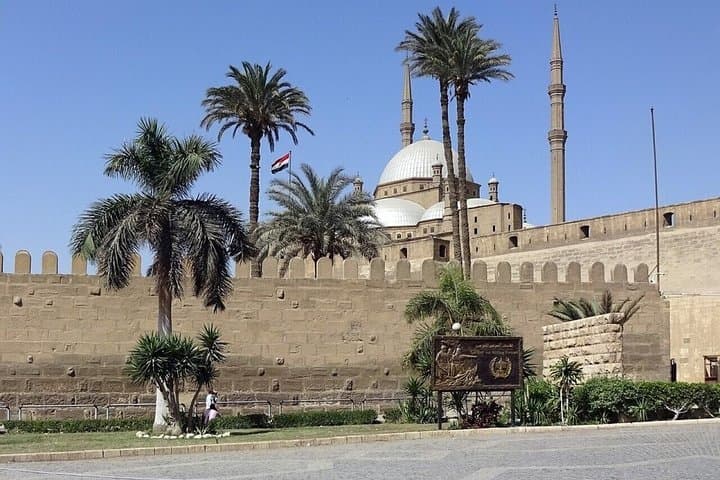
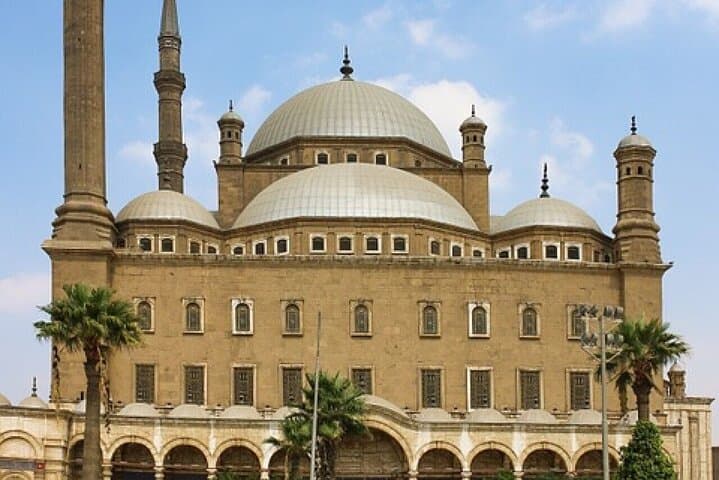
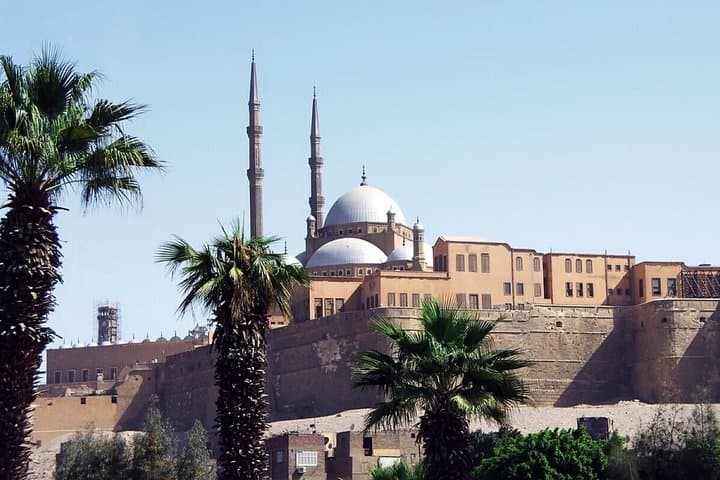
You step onto the citadel’s stone ramparts and Cairo opens beneath you—a mosaic of flat roofs, minaret shadows and, on clear days, the distant pyramids daring you to look further. The wind pushes around the domes of Muhammad Ali Mosque; its alabaster panels and Ottoman-style minarets catch the light while the city hums below.
Verified experiences and guided adventures in the surrounding area.
Operated by ToBadaa · Cairo, Cairo Governorate
You step onto the citadel’s stone ramparts and Cairo opens beneath you—a mosaic of flat roofs, minaret shadows and, on clear days, the distant pyramids daring you to look further. The wind pushes around the domes of Muhammad Ali Mosque; its alabaster panels and Ottoman-style minarets catch the light while the city hums below.
The Citadel of Salah El-Din sits on the Mokattam limestone ridge above historic Cairo. Built in the late 12th century by Saladin as a defensive fortress, the complex grew under the Mamluks and later the Ottomans; the 19th‑century Muhammad Ali Mosque dominates the skyline. Expect layered stonework, carved wood interiors, and museum rooms—Al‑Gawhara Palace’s decorative salons, the Carriage Museum’s gilded coaches, and displays in the military and police museums offer cultural context to the fort’s political role.
Practical guidance is straightforward. This private 5‑hour tour typically includes pick‑up and drop‑off at a central meeting point and is suitable for most fitness levels; surfaces are mostly paved but include steps and uneven spans. Dress modestly for mosque entry, carry sun protection and at least 1–2 liters of water, and plan for security checks at entrances. Mornings or late afternoons offer cooler light and better views toward Giza. Photography is allowed in many areas but follow signage in museum galleries.
The Citadel rewards slow exploration: listen for the cadence of calls to prayer, study carved inscriptions, and take a moment on the outer bastions where history, geology and the modern city converge.
easy.
5 hours.
Suitable for most fitness levels; participants should be able to walk several hundred meters and climb steps.
The itinerary runs about 5 hours total, typically covering the main citadel highlights and several museums with pick‑up and drop‑off included.
Many citadel areas and transport options are wheelchair accessible, but some historic rooms and steps may limit access—check specifics with the operator before booking.
Visits to mosque interiors like Muhammad Ali are usually part of the tour; modest dress and respectful behavior are required, and occasional closure for prayer may affect access.
On clear days you can spot the Giza pyramids from several citadel viewpoints, but visibility depends on air quality and light conditions.
Constructed by Saladin in the 12th century as a strategic fortress, the citadel later became a Mamluk and Ottoman seat of power; Muhammad Ali’s 19th‑century mosque reshaped its skyline.
Ongoing restoration and visitor management aim to protect stonework and museum collections; follow posted rules, avoid touching delicate surfaces and support local conservation efforts by using official guides.
ToBadaa operates guided outdoor trips and adventures with an emphasis on safety, stewardship, and memorable experiences.
You step onto the citadel’s stone ramparts and Cairo opens beneath you—a mosaic of flat roofs, minaret shadows and, on clear days, the distant pyramids daring you to look further. The wind pushes around the domes of Muhammad Ali Mosque; its alabaster panels and Ottoman-style minarets catch the light while the city hums below.
You step onto the citadel’s stone ramparts and Cairo opens beneath you—a mosaic of flat roofs, minaret shadows and, on clear days, the distant pyramids daring you to look further. The wind pushes around the domes of Muhammad Ali Mosque; its alabaster panels and Ottoman-style minarets catch the light while the city hums below.
The Citadel of Salah El-Din sits on the Mokattam limestone ridge above historic Cairo. Built in the late 12th century by Saladin as a defensive fortress, the complex grew under the Mamluks and later the Ottomans; the 19th‑century Muhammad Ali Mosque dominates the skyline. Expect layered stonework, carved wood interiors, and museum rooms—Al‑Gawhara Palace’s decorative salons, the Carriage Museum’s gilded coaches, and displays in the military and police museums offer cultural context to the fort’s political role.
Practical guidance is straightforward. This private 5‑hour tour typically includes pick‑up and drop‑off at a central meeting point and is suitable for most fitness levels; surfaces are mostly paved but include steps and uneven spans. Dress modestly for mosque entry, carry sun protection and at least 1–2 liters of water, and plan for security checks at entrances. Mornings or late afternoons offer cooler light and better views toward Giza. Photography is allowed in many areas but follow signage in museum galleries.
The Citadel rewards slow exploration: listen for the cadence of calls to prayer, study carved inscriptions, and take a moment on the outer bastions where history, geology and the modern city converge.