THE ADVENTURE COLLECTIVE® · Independent discovery and booking for outdoor travel

Spend a full day exploring the Riviera Maya's cenotes—sinkhole caves where crystal-clear freshwater pools invite snorkeling and short swims. This guided circuit mixes easy trails, cavern swims and a buffet lunch, offering both geology and cultural context for the Yucatán's underground rivers.
Spend a full day exploring the Riviera Maya's cenotes—sinkhole caves where crystal-clear freshwater pools invite snorkeling and short swims. This guided circuit mixes easy trails, cavern swims and a buffet lunch, offering both geology and cultural context for the Yucatán's underground rivers.
The light filters through a jungle canopy and falls into a round opening in limestone, and below the surface the water goes impossibly clear. You step from a wooden platform into a cool cenote, a collapsed cave where freshwater from underground rivers gathers in bright, Caribbean-blue pools. All day you shuttle between several sinkholes—swimming through open-air caverns, sliding into cavern mouths and tracing the edges of stalactite-shadowed passageways.
Verified experiences and guided adventures in the surrounding area.
Operated by YAMEVI TRAVEL · Cancun, Quintana Roo
The light filters through a jungle canopy and falls into a round opening in limestone, and below the surface the water goes impossibly clear. You step from a wooden platform into a cool cenote, a collapsed cave where freshwater from underground rivers gathers in bright, Caribbean-blue pools. All day you shuttle between several sinkholes—swimming through open-air caverns, sliding into cavern mouths and tracing the edges of stalactite-shadowed passageways.
Cenotes are the visible mouths of an immense karst system carved through Yucatán's porous limestone over millennia. For the Maya they were sources of life and ritual; many sites around the Riviera Maya still show pottery fragments and ancient offerings at their rims. Geology here produces haloclines—sharp layers where fresh and saltwater meet—that index the peninsula's subterranean flow. Culturally, cenotes remain central to local water knowledge and small-boat fishing traditions along the coast.
Practically, expect repeated short swims, easy trails between sinkholes, and guided snorkel loops that highlight shallow caverns and fish life. Guides often provide masks and bottled water and include a buffet lunch on site. Bring reef-safe sunscreen, a snug snorkel mask, quick-dry clothing and water shoes for slippery steps. Timing matters: arrive early to avoid crowds and strong midday sun, and keep electronics in a dry bag. Respect posted signs—many cenotes are fragile habitats with delicate minerals and resident bats. Travel here is equal parts geology lesson and cool-water play; with basic swimming confidence you can spend a day moving through a network of caves that still feel a little wild.
moderate.
6–7 hours.
Basic swim fitness required: comfortable in open water and able to snorkel for several short bouts over a full day.
Yes — basic swimming ability and comfort with snorkeling are required; guides can assist less experienced swimmers but you should be able to tread water and use a mask and snorkel.
Most tours include basic snorkeling masks and bottled water; you may bring your own mask for comfort and fit.
Wear a quick-dry swimsuit, water shoes, a hat for transport, reef-safe sunscreen, and a small towel; bring cash for lockers or tips if needed.
Many operators offer hotel pickup in Cancún and nearby resorts—confirm pickup point and time when you book, as some pickups are centralized or require a short drive.
Cenotes were sacred to the ancient Maya as water sources and places for ritual offerings; many sites show archaeological artifacts nearby.
Cenote ecosystems are sensitive to pollutants and foot traffic; use reef-safe products, avoid soaps or lotions in the water and follow guide rules to reduce impact.
YAMEVI TRAVEL operates guided outdoor trips and adventures with an emphasis on safety, stewardship, and memorable experiences.
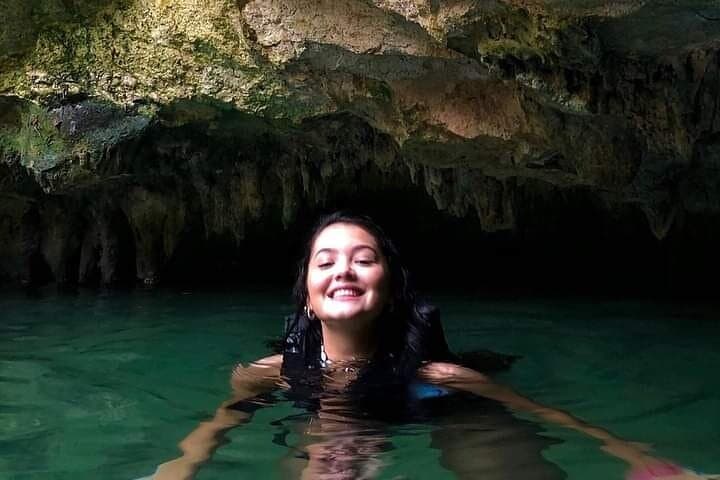
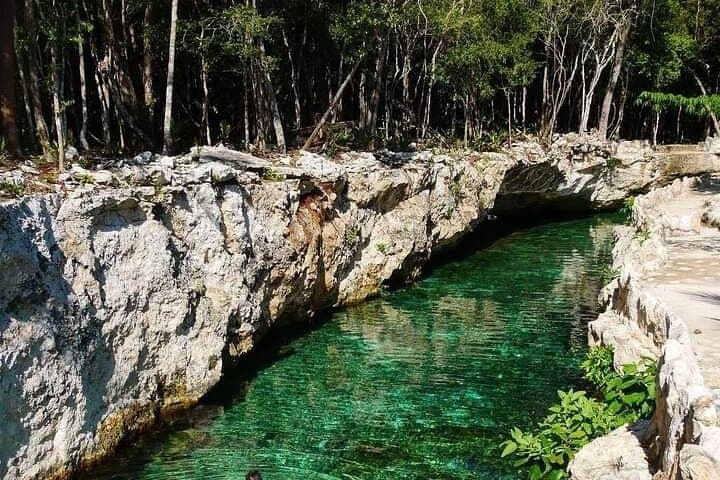
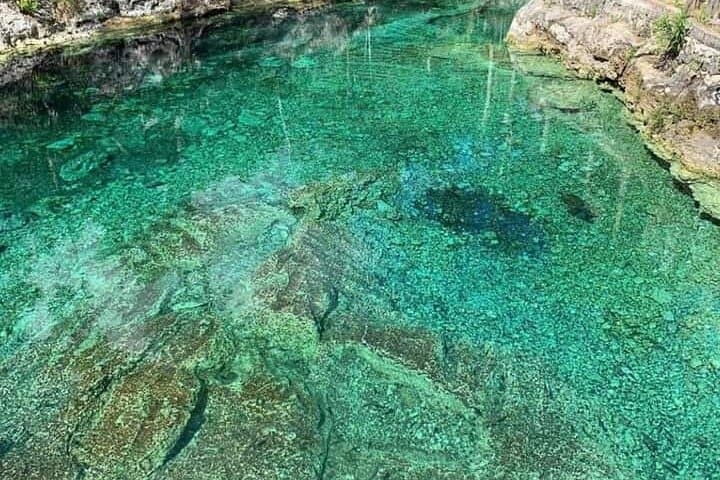
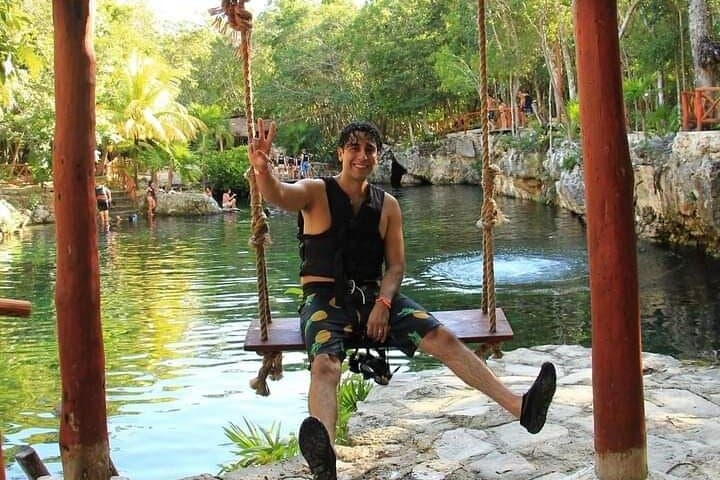
The light filters through a jungle canopy and falls into a round opening in limestone, and below the surface the water goes impossibly clear. You step from a wooden platform into a cool cenote, a collapsed cave where freshwater from underground rivers gathers in bright, Caribbean-blue pools. All day you shuttle between several sinkholes—swimming through open-air caverns, sliding into cavern mouths and tracing the edges of stalactite-shadowed passageways.
The light filters through a jungle canopy and falls into a round opening in limestone, and below the surface the water goes impossibly clear. You step from a wooden platform into a cool cenote, a collapsed cave where freshwater from underground rivers gathers in bright, Caribbean-blue pools. All day you shuttle between several sinkholes—swimming through open-air caverns, sliding into cavern mouths and tracing the edges of stalactite-shadowed passageways.
Cenotes are the visible mouths of an immense karst system carved through Yucatán's porous limestone over millennia. For the Maya they were sources of life and ritual; many sites around the Riviera Maya still show pottery fragments and ancient offerings at their rims. Geology here produces haloclines—sharp layers where fresh and saltwater meet—that index the peninsula's subterranean flow. Culturally, cenotes remain central to local water knowledge and small-boat fishing traditions along the coast.
Practically, expect repeated short swims, easy trails between sinkholes, and guided snorkel loops that highlight shallow caverns and fish life. Guides often provide masks and bottled water and include a buffet lunch on site. Bring reef-safe sunscreen, a snug snorkel mask, quick-dry clothing and water shoes for slippery steps. Timing matters: arrive early to avoid crowds and strong midday sun, and keep electronics in a dry bag. Respect posted signs—many cenotes are fragile habitats with delicate minerals and resident bats. Travel here is equal parts geology lesson and cool-water play; with basic swimming confidence you can spend a day moving through a network of caves that still feel a little wild.