THE ADVENTURE COLLECTIVE® · Independent discovery and booking for outdoor travel

Wander into a narrow world of wind-sculpted corridors at Qorihuillca Cracks, an Ayacucho-area labyrinth of canyons where sunlight is scarce and rock textures come alive. This 4–5 hour guided route pairs geological intrigue with steady hiking through tight, dramatic terrain.
Wander into a narrow world of wind-sculpted corridors at Qorihuillca Cracks, an Ayacucho-area labyrinth of canyons where sunlight is scarce and rock textures come alive. This 4–5 hour guided route pairs geological intrigue with steady hiking through tight, dramatic terrain.
You step off the vehicle and the light narrows — walls of weathered rock pinch the sky into thin strips. The Qorihuillca Cracks are a natural maze carved by millennia of wind and water, corridors where sunlight is intermittent and the air smells of dry stone and distant grass.
Verified experiences and guided adventures in the surrounding area.
Operated by zamy tours · Ayacucho, Ayacucho
You step off the vehicle and the light narrows — walls of weathered rock pinch the sky into thin strips. The Qorihuillca Cracks are a natural maze carved by millennia of wind and water, corridors where sunlight is intermittent and the air smells of dry stone and distant grass.
The landscape around Ayacucho is carved from volcanic tuff and sedimentary layers; the cracks here are classic erosion features where softer strata washed away, leaving narrow gullies and tight passages. The area sits within a Quechua-speaking cultural landscape: local hamlets and shepherd trails thread the highland valleys, and the place-name Qori (gold) hints at pre-Columbian language and land use.
Expect 4–5 hours on a guided circuit through uneven, often narrow paths — helmets and headlamps are standard. Terrain varies from compact dirt to loose scree; occasional low squeezes and short downclimbs demand sure footing rather than technical rope work. The guide will point out rock bedding, small fossils, and where water once carved deeper channels.
Practical bits: start in the morning to avoid afternoon winds and any sudden showers; carry 2 liters of water, a warm midlayer, and a reliable light source. Photography rewards close-up textures and shadowed silhouettes of the cracks, but respect tight passages and follow your guide’s pace. This is a walk for steady hikers who like confined, dramatic terrain — an intimate, geological theater a short drive from Ayacucho.
moderate.
4–5 hours.
Moderate fitness — able to hike uneven, narrow terrain and tolerate short crouches or low steps
The tour is moderate: no technical climbing, but expect uneven footing, narrow passages, and several hours on your feet; guides recommend moderate fitness.
Yes—helmets, flashlights/headlamps and trekking poles are typically included in the equipment list on organized tours.
This experience is not recommended for pregnant travelers and may be unsuitable for very young children or those with spinal issues due to confined spaces and uneven terrain.
The dry season (May–October) offers more stable conditions; rainy season can make routes slippery and reduce visibility in narrow corridors.
The canyons are products of long-term erosion on highland volcanic and sedimentary rock; the region is part of Ayacucho’s Quechua cultural landscape with colonial-era towns nearby.
Fragile highland soils and narrow canyon vegetation recover slowly—stay on established routes, pack out waste, and support local guides who manage visitor impact.
zamy tours operates guided outdoor trips and adventures with an emphasis on safety, stewardship, and memorable experiences.
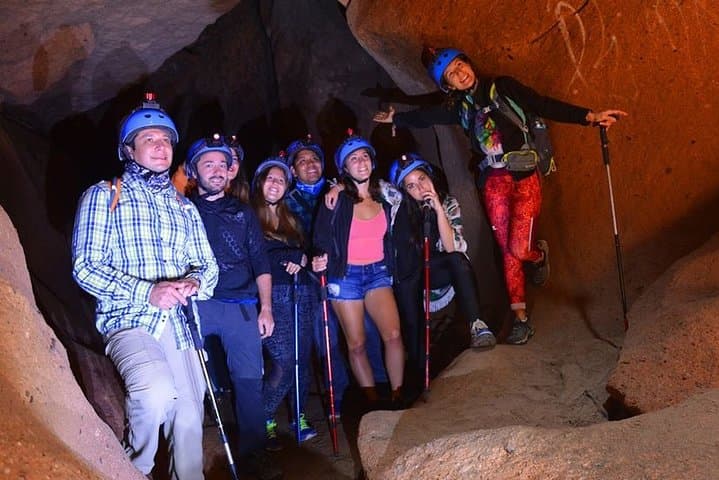
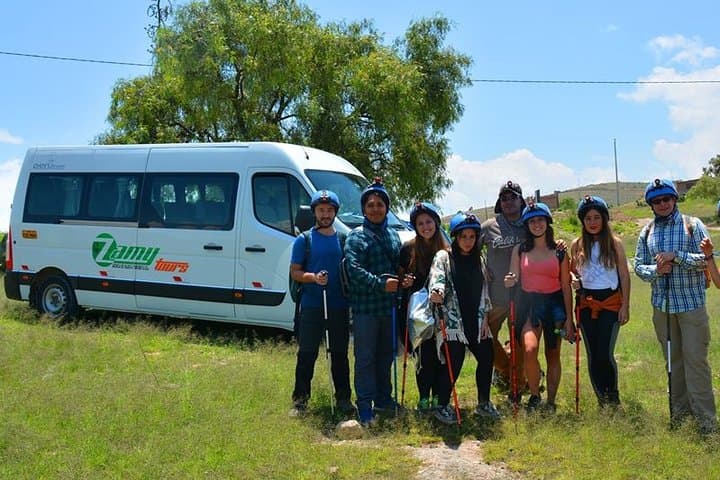
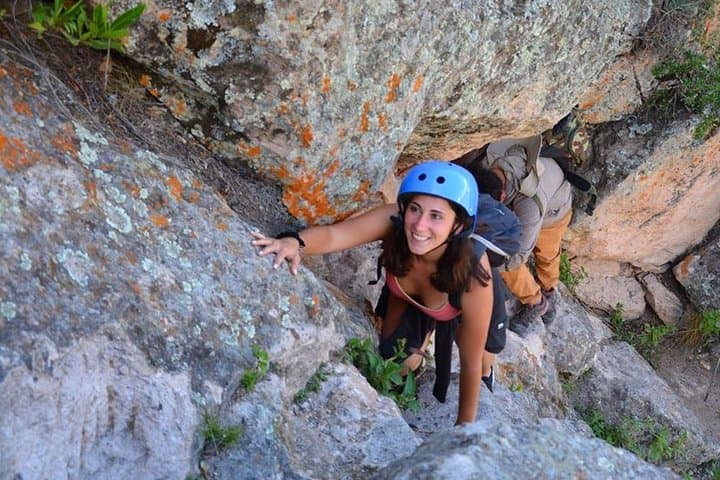
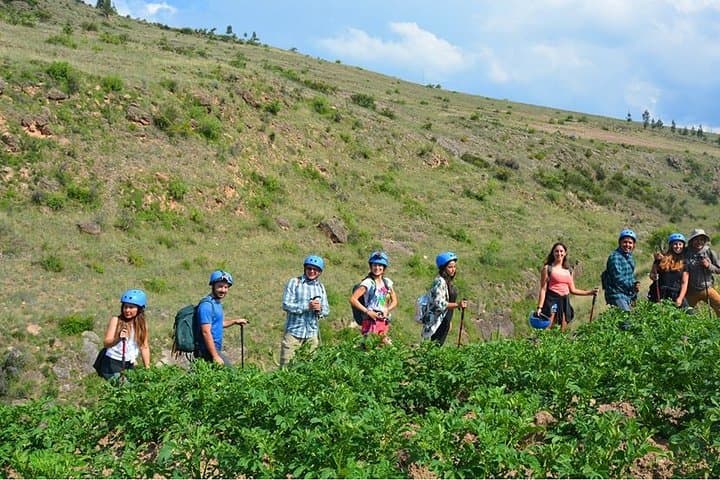
You step off the vehicle and the light narrows — walls of weathered rock pinch the sky into thin strips. The Qorihuillca Cracks are a natural maze carved by millennia of wind and water, corridors where sunlight is intermittent and the air smells of dry stone and distant grass.
You step off the vehicle and the light narrows — walls of weathered rock pinch the sky into thin strips. The Qorihuillca Cracks are a natural maze carved by millennia of wind and water, corridors where sunlight is intermittent and the air smells of dry stone and distant grass.
The landscape around Ayacucho is carved from volcanic tuff and sedimentary layers; the cracks here are classic erosion features where softer strata washed away, leaving narrow gullies and tight passages. The area sits within a Quechua-speaking cultural landscape: local hamlets and shepherd trails thread the highland valleys, and the place-name Qori (gold) hints at pre-Columbian language and land use.
Expect 4–5 hours on a guided circuit through uneven, often narrow paths — helmets and headlamps are standard. Terrain varies from compact dirt to loose scree; occasional low squeezes and short downclimbs demand sure footing rather than technical rope work. The guide will point out rock bedding, small fossils, and where water once carved deeper channels.
Practical bits: start in the morning to avoid afternoon winds and any sudden showers; carry 2 liters of water, a warm midlayer, and a reliable light source. Photography rewards close-up textures and shadowed silhouettes of the cracks, but respect tight passages and follow your guide’s pace. This is a walk for steady hikers who like confined, dramatic terrain — an intimate, geological theater a short drive from Ayacucho.