THE ADVENTURE COLLECTIVE® · Independent discovery and booking for outdoor travel

Step onto Alexandria’s Corniche and into the shadow of Qaitbay Citadel — a compact Mamluk fortress built on the ruins of the ancient Pharos lighthouse. This private half-day tour pairs concentrated history with coastal views and a drive past Stanley Bridge.
Step onto Alexandria’s Corniche and into the shadow of Qaitbay Citadel — a compact Mamluk fortress built on the ruins of the ancient Pharos lighthouse. This private half-day tour pairs concentrated history with coastal views and a drive past Stanley Bridge.
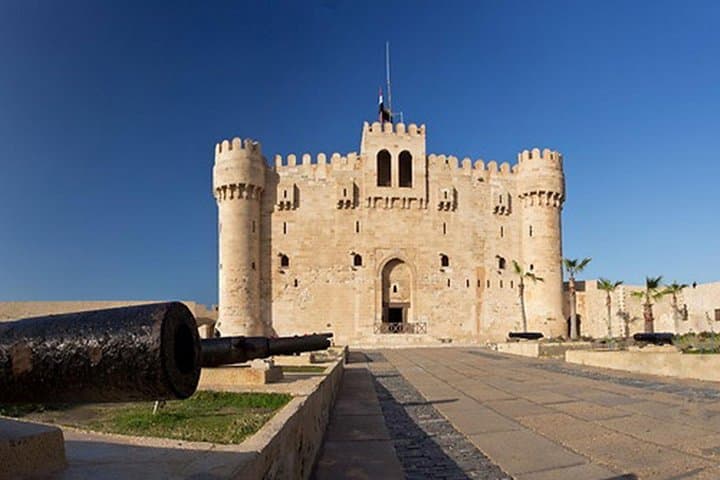
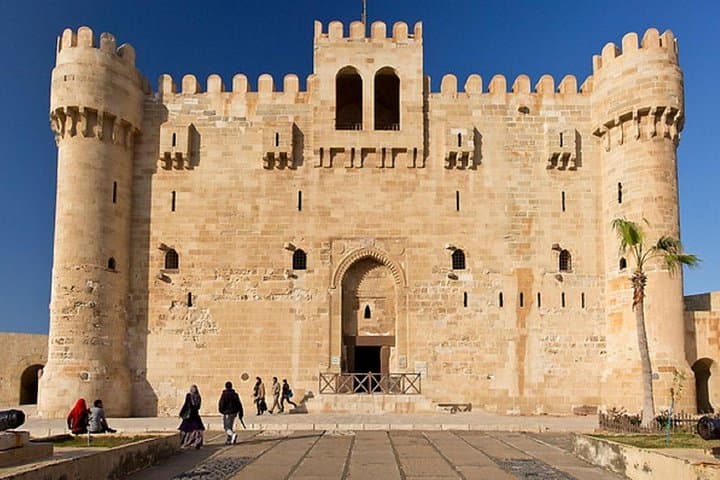
Salt air and gulls meet stone as the Corniche opens onto the Qaitbay Citadel — a compact, muscular fortress that holds the eastern tip of Alexandria like a watchful hand.
Verified experiences and guided adventures in the surrounding area.
Operated by Ancient Egypt Tours · Alexandria, Alexandria Governorate
Salt air and gulls meet stone as the Corniche opens onto the Qaitbay Citadel — a compact, muscular fortress that holds the eastern tip of Alexandria like a watchful hand.
Built by the Mamluk Sultan Al-Ashraf Qaitbay in the 15th century on the rubble of the ancient Pharos lighthouse, the citadel occupies a spot where classical maritime history and medieval military engineering collide. The fortress’ battered walls and narrow ramps are hewn from Mediterranean limestone and reused masonry, giving the place a layered, lived-in quality. Nearby, the modern Bibliotheca Alexandrina reasserts the city’s long role as a crossroads of learning and trade.
Culture here is coastal and cosmopolitan: fishermen mend nets below Stanley Bridge, vendors sell coffee on the Corniche, and the harbor’s rhythm pulls you toward the sea. Geologically the coastline is a gently sloping shelf; waves polish the quays and concentrate wind along the promenade, so weather dictates much of the experience.
Practically, this half-day private tour (about 3–4 hours) is driven from central Alexandria and includes pickup, return, and entry; walking is mostly on paved ramparts and stairways. Aim for morning or late afternoon light to avoid midday heat and find photo-friendly shadows inside the citadel. Wear sturdy shoes for uneven stone, bring sun protection, and leave bulky bags at your hotel — the site’s tight rooms and passages reward nimble movement.
Expect a concise, tactile encounter with Alexandria’s layered past and a scenic drive along the Corniche that frames the city between sea and skyline.
easy.
3–4 hours.
Suitable for most fitness levels; requires short periods of standing and climbing stairs.
Yes — this tour includes admission to the citadel as noted in the itinerary.
Yes — private pickup and return from hotels in Alexandria are provided.
The tour notes wheelchair-accessible transport and areas, but some internal ramps and stairways may limit access to certain sections.
The tour is approximately 3–4 hours with light to moderate walking—mainly paved paths, ramparts and stairs inside the citadel.
Qaitbay Citadel was constructed by Sultan Al-Ashraf Qaitbay in the 15th century on the ruins of the island that once held the Pharos lighthouse, linking medieval Mamluk defenses with Alexandria’s classical maritime past.
Conservation efforts focus on stabilizing aged masonry and managing visitor impact; stay on marked paths, avoid touching fragile surfaces, and pack out any trash.
Ancient Egypt Tours operates guided outdoor trips and adventures with an emphasis on safety, stewardship, and memorable experiences.


Salt air and gulls meet stone as the Corniche opens onto the Qaitbay Citadel — a compact, muscular fortress that holds the eastern tip of Alexandria like a watchful hand.
Salt air and gulls meet stone as the Corniche opens onto the Qaitbay Citadel — a compact, muscular fortress that holds the eastern tip of Alexandria like a watchful hand.
Built by the Mamluk Sultan Al-Ashraf Qaitbay in the 15th century on the rubble of the ancient Pharos lighthouse, the citadel occupies a spot where classical maritime history and medieval military engineering collide. The fortress’ battered walls and narrow ramps are hewn from Mediterranean limestone and reused masonry, giving the place a layered, lived-in quality. Nearby, the modern Bibliotheca Alexandrina reasserts the city’s long role as a crossroads of learning and trade.
Culture here is coastal and cosmopolitan: fishermen mend nets below Stanley Bridge, vendors sell coffee on the Corniche, and the harbor’s rhythm pulls you toward the sea. Geologically the coastline is a gently sloping shelf; waves polish the quays and concentrate wind along the promenade, so weather dictates much of the experience.
Practically, this half-day private tour (about 3–4 hours) is driven from central Alexandria and includes pickup, return, and entry; walking is mostly on paved ramparts and stairways. Aim for morning or late afternoon light to avoid midday heat and find photo-friendly shadows inside the citadel. Wear sturdy shoes for uneven stone, bring sun protection, and leave bulky bags at your hotel — the site’s tight rooms and passages reward nimble movement.
Expect a concise, tactile encounter with Alexandria’s layered past and a scenic drive along the Corniche that frames the city between sea and skyline.