THE ADVENTURE COLLECTIVE® · Independent discovery and booking for outdoor travel

Visit the major Purepecha centers on a full-day archaeological tour from Morelia. Walk yácatas and plazas set on volcanic highlands while learning why this kingdom resisted Aztec conquest.
Visit the major Purepecha centers on a full-day archaeological tour from Morelia. Walk yácatas and plazas set on volcanic highlands while learning why this kingdom resisted Aztec conquest.
You step out of an air-conditioned van into highland air that tastes faintly of pine and lake spray. Ahead, the truncated pyramids known as yácatas throw clean, geometric shadows across a plaza where Purepecha stonework meets a horizon of volcanic ridges. The day moves at a deliberate pace—three archaeological sites, a market lunch, and time to stand on terraces older than the nation that grew around them.
Verified experiences and guided adventures in the surrounding area.
Operated by Yei Tours · Morelia, Michoacán
You step out of an air-conditioned van into highland air that tastes faintly of pine and lake spray. Ahead, the truncated pyramids known as yácatas throw clean, geometric shadows across a plaza where Purepecha stonework meets a horizon of volcanic ridges. The day moves at a deliberate pace—three archaeological sites, a market lunch, and time to stand on terraces older than the nation that grew around them.
The Purepecha kingdom flourished here from the Late Postclassic period and is notable for resisting Aztec conquest; its political and religious life centered on cities like Tzintzuntzan and nearby ceremonial compounds. Geologically, Michoacán sits on the Trans-Mexican Volcanic Belt—volcanic tuffs and basalt underlie many ceremonial mounds and have shaped the region’s terraced agriculture and viewsheds.
Culturally, the area remains living: craftsmen in nearby towns keep lacquering and copperwork traditions, and markets around Lake Pátzcuaro offer the regional flavors and handicrafts that linked pre-Hispanic urban centers. Guides typically interpret sculpted stone, burial practices, and the layout of Purepecha plazas so visitors can read the ruins as civic texts rather than isolated ruins.
Practical guidance: this is a full-day, low-impact tour that involves short walks on uneven stone, some steps, and outdoor exposure—bring sun protection, a refillable bottle, and comfortable shoes. Expect bottled water and a local lunch included; photography is usually allowed, but do not climb on structures. Mornings are cooler and quieter; late afternoon light is best for photos. With basic mobility and curiosity, you’ll walk away with a sharper sense of an empire that shaped western Mexico.
easy.
8 hours.
Suitable for most fitness levels; involves short walks and some uneven terrain—no sustained climbing.
Most bookings include pickup from central Morelia hotels; exact pickup points are confirmed at booking—enter your pickup location when you reserve.
Yes—admissions for the listed archaeological sites and a local lunch are included, along with bottled water.
Yes—the tour is rated easy with short, manageable walks, though guests should be comfortable on uneven ground and stairs.
Guides typically offer commentary in Spanish and English—confirm language preference when booking.
The Purepecha state was a powerful late-postclassic polity in western Mexico; its capital complex and yácatas reflect a distinct urban and ceremonial layout that resisted Aztec domination.
The sites are archaeologically sensitive—stay on trails, avoid touching masonry, and support local guides and vendors to ensure tourism benefits conservation and communities.
Yei Tours operates guided outdoor trips and adventures with an emphasis on safety, stewardship, and memorable experiences.
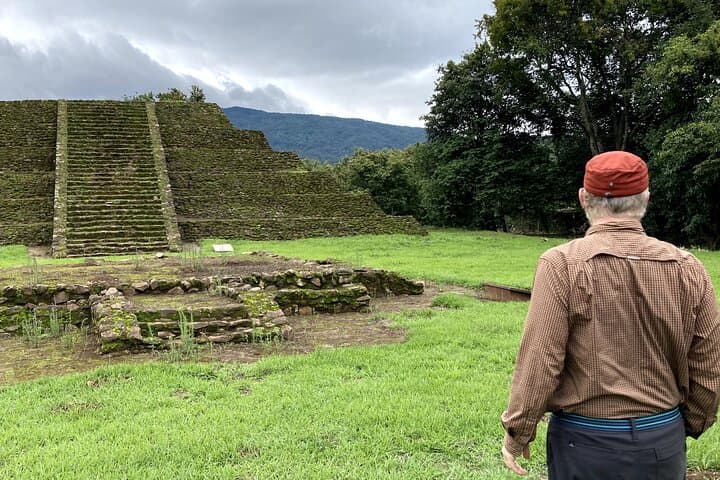
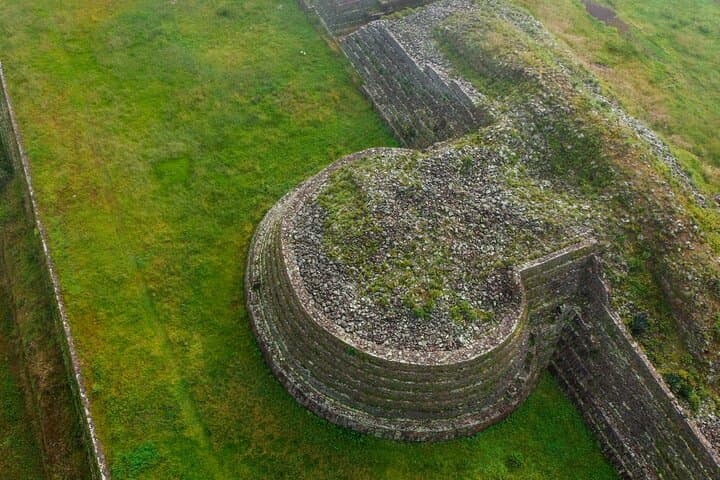
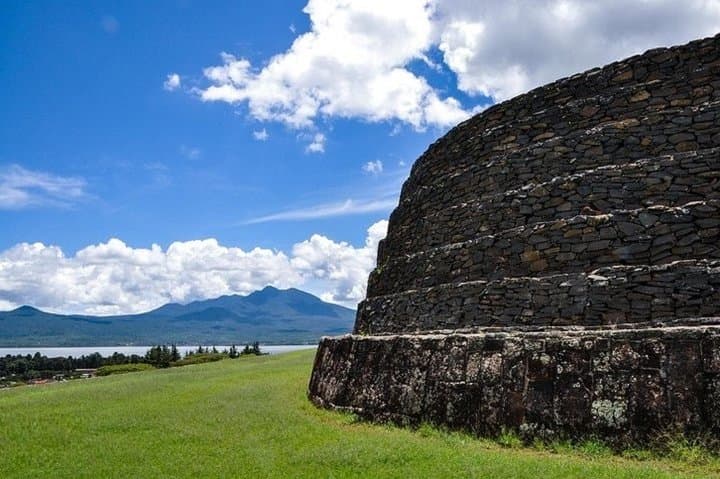
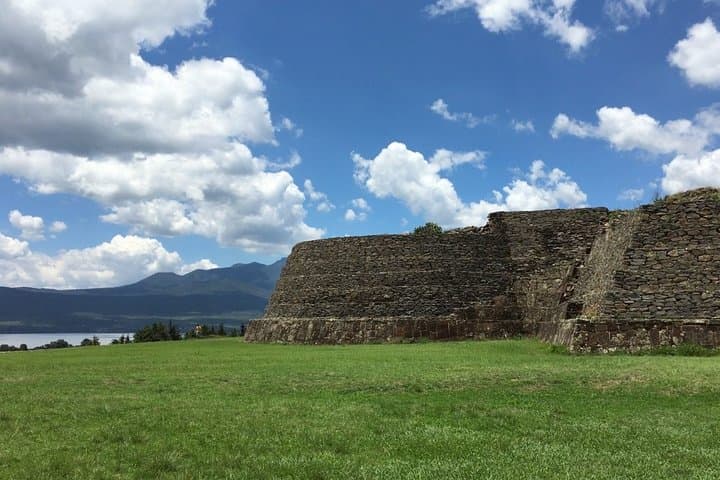
You step out of an air-conditioned van into highland air that tastes faintly of pine and lake spray. Ahead, the truncated pyramids known as yácatas throw clean, geometric shadows across a plaza where Purepecha stonework meets a horizon of volcanic ridges. The day moves at a deliberate pace—three archaeological sites, a market lunch, and time to stand on terraces older than the nation that grew around them.
You step out of an air-conditioned van into highland air that tastes faintly of pine and lake spray. Ahead, the truncated pyramids known as yácatas throw clean, geometric shadows across a plaza where Purepecha stonework meets a horizon of volcanic ridges. The day moves at a deliberate pace—three archaeological sites, a market lunch, and time to stand on terraces older than the nation that grew around them.
The Purepecha kingdom flourished here from the Late Postclassic period and is notable for resisting Aztec conquest; its political and religious life centered on cities like Tzintzuntzan and nearby ceremonial compounds. Geologically, Michoacán sits on the Trans-Mexican Volcanic Belt—volcanic tuffs and basalt underlie many ceremonial mounds and have shaped the region’s terraced agriculture and viewsheds.
Culturally, the area remains living: craftsmen in nearby towns keep lacquering and copperwork traditions, and markets around Lake Pátzcuaro offer the regional flavors and handicrafts that linked pre-Hispanic urban centers. Guides typically interpret sculpted stone, burial practices, and the layout of Purepecha plazas so visitors can read the ruins as civic texts rather than isolated ruins.
Practical guidance: this is a full-day, low-impact tour that involves short walks on uneven stone, some steps, and outdoor exposure—bring sun protection, a refillable bottle, and comfortable shoes. Expect bottled water and a local lunch included; photography is usually allowed, but do not climb on structures. Mornings are cooler and quieter; late afternoon light is best for photos. With basic mobility and curiosity, you’ll walk away with a sharper sense of an empire that shaped western Mexico.