THE ADVENTURE COLLECTIVE® · Independent discovery and booking for outdoor travel

Walk the streets frozen by Vesuvius in 79 AD with an expert guide who brings Roman daily life into focus. This guided tour covers major highlights while giving practical advice on timing, terrain, and what to look for.
Walk the streets frozen by Vesuvius in 79 AD with an expert guide who brings Roman daily life into focus. This guided tour covers major highlights while giving practical advice on timing, terrain, and what to look for.
You step through a stone gate and the Roman city opens: calcified streets, shop thresholds, and the quiet weight of plaster casts where residents once stood.
Verified experiences and guided adventures in the surrounding area.
Operated by Gennaro Balzano · Pompeii, Campania
You step through a stone gate and the Roman city opens: calcified streets, shop thresholds, and the quiet weight of plaster casts where residents once stood.
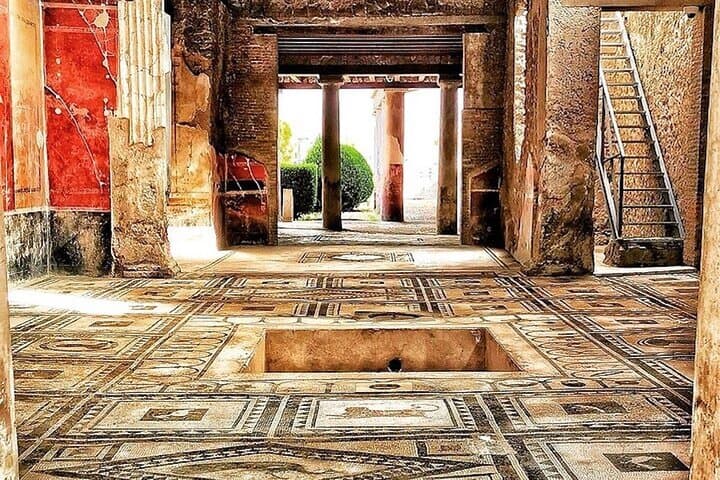
Pompeii lies on the southwest flank of Vesuvius, preserved beneath ash since the eruption of 79 AD. The park is a living classroom of Roman urban life—houses with frescoed atria, bakeries with ovens, temples and a compact amphitheater. Geology is obvious underfoot: volcanic tuff and pumice shaped local building materials, while layers of ash sealed organic details for two millennia.
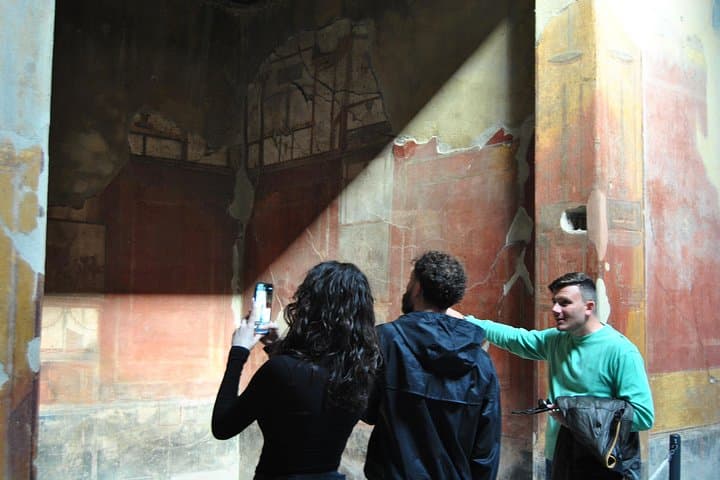
Culturally, Pompeii reads like a snapshot of everyday empire: graffiti beside merchant stalls, votive offerings at household shrines, and the grid of streets that organized social and commercial life. Local guides point out construction techniques, water channels, and the social signals encoded in house decoration.
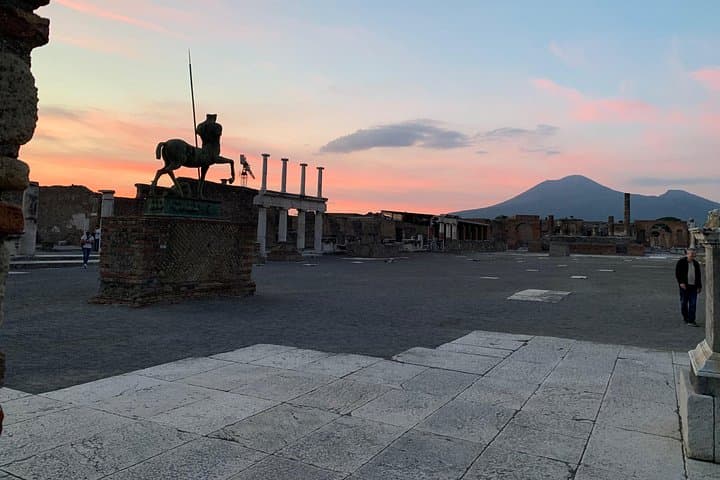
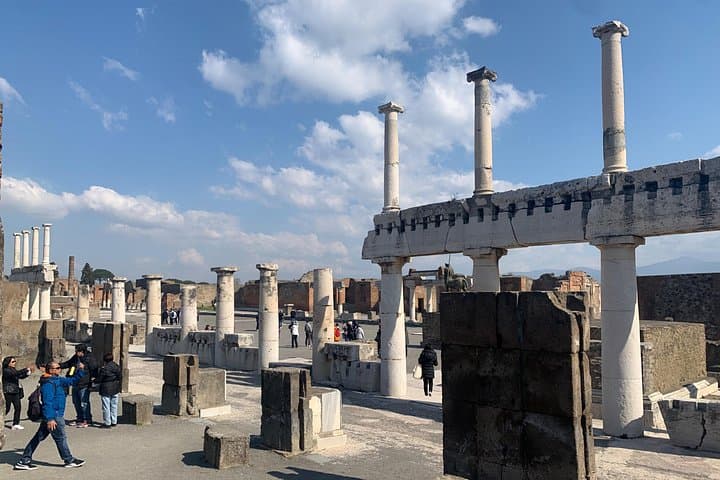
Practical guidance: the standard guided visit runs about two hours; expect walking on uneven stone and open sun exposure. Wear sturdy shoes and bring water—many highlights are spread across a broad site and shade is intermittent. Check entry times and whether your ticket includes the Forum, House of the Faun, and the plaster casts area. Mornings are cooler and less crowded; late afternoon light can bring out fresco colors but some areas close early.
This tour rewards curiosity: move deliberately, read inscriptions, and let the ruins suggest how ordinary routines met extraordinary geology.
easy.
2–2.5 hours.
Suitable for most fitness levels; requires walking and standing for extended periods on uneven ground
The standard tour runs about 2 to 2.5 hours covering major sites within the archaeological park.
Key areas have accessible routes and the tour notes indicate wheelchair accessibility, but some ancient streets are uneven—check specific access points in advance.
This guided product includes park admission as part of the booking—confirm on your voucher for details.
Early morning openings or late afternoon visits tend to be less crowded; weekends and high-season summer days are busiest.
Pompeii was buried by the eruption of Mount Vesuvius in 79 AD and preserved under layers of ash, providing a detailed snapshot of Roman urban life.
Conservation efforts focus on limiting visitor impact and stabilizing exposed structures; follow site rules to help protect fragile frescoes and mosaics.
Gennaro Balzano operates guided outdoor trips and adventures with an emphasis on safety, stewardship, and memorable experiences.
You step through a stone gate and the Roman city opens: calcified streets, shop thresholds, and the quiet weight of plaster casts where residents once stood.
You step through a stone gate and the Roman city opens: calcified streets, shop thresholds, and the quiet weight of plaster casts where residents once stood.
Pompeii lies on the southwest flank of Vesuvius, preserved beneath ash since the eruption of 79 AD. The park is a living classroom of Roman urban life—houses with frescoed atria, bakeries with ovens, temples and a compact amphitheater. Geology is obvious underfoot: volcanic tuff and pumice shaped local building materials, while layers of ash sealed organic details for two millennia.
Culturally, Pompeii reads like a snapshot of everyday empire: graffiti beside merchant stalls, votive offerings at household shrines, and the grid of streets that organized social and commercial life. Local guides point out construction techniques, water channels, and the social signals encoded in house decoration.
Practical guidance: the standard guided visit runs about two hours; expect walking on uneven stone and open sun exposure. Wear sturdy shoes and bring water—many highlights are spread across a broad site and shade is intermittent. Check entry times and whether your ticket includes the Forum, House of the Faun, and the plaster casts area. Mornings are cooler and less crowded; late afternoon light can bring out fresco colors but some areas close early.
This tour rewards curiosity: move deliberately, read inscriptions, and let the ruins suggest how ordinary routines met extraordinary geology.