THE ADVENTURE COLLECTIVE® · Independent discovery and booking for outdoor travel

Spend a full day tracing the streets, reservoirs and rock temples of Polonnaruwa, Sri Lanka's 11th–13th century capital. This guided excursion pairs on-site history with practical tips for navigating uneven stone, sun, and long distances between monuments.
Spend a full day tracing the streets, reservoirs and rock temples of Polonnaruwa, Sri Lanka's 11th–13th century capital. This guided excursion pairs on-site history with practical tips for navigating uneven stone, sun, and long distances between monuments.
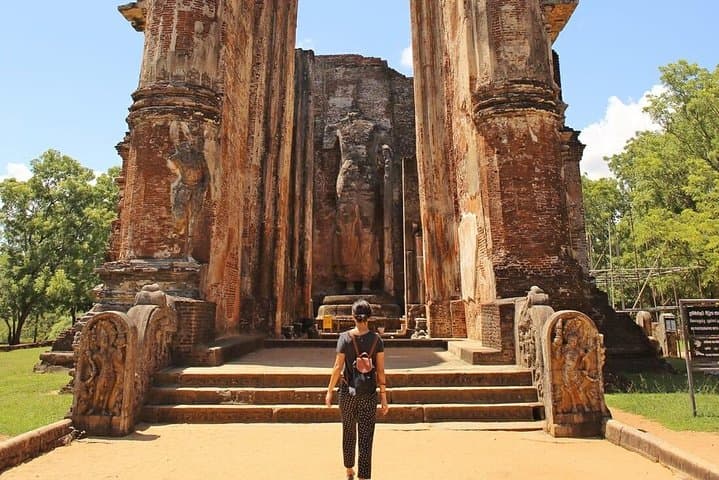
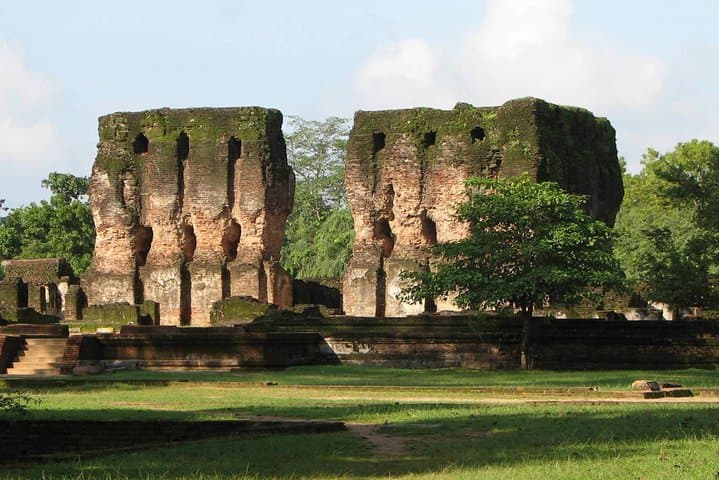
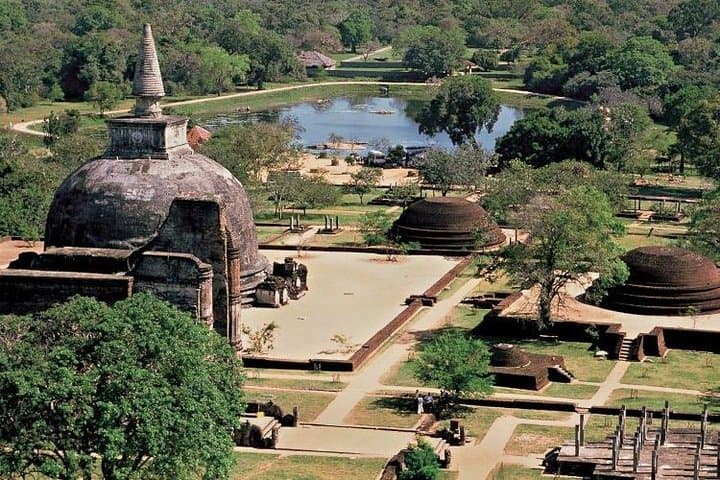
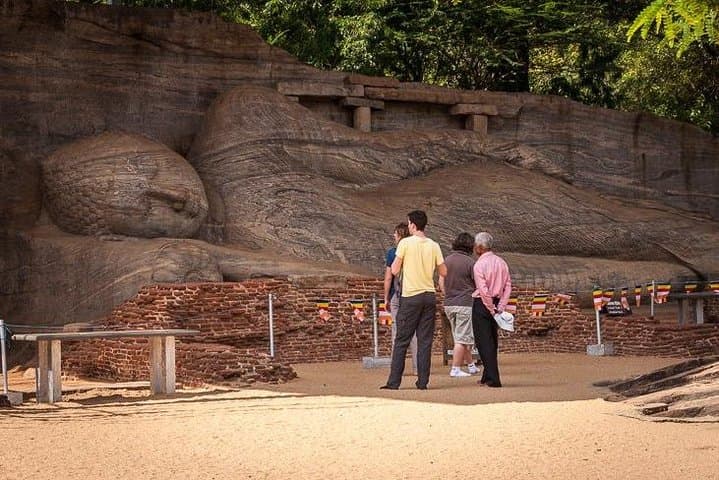
You arrive along a low, sunlit plain where the heat presses against stone and long avenues of brick and carved rock open like pages of a book. The Parakrama Samudraya glints beyond the palace ruins, its broad waterline daring you to imagine the irrigation feats that once fed an empire. Early in the day the air favors walking; the carved Buddhas and temple terraces hold a calm that rewards slow attention.
Verified experiences and guided adventures in the surrounding area.
Operated by MIRISSA CABS SRI LANKA · Polonnaruwa, North Central Province
You arrive along a low, sunlit plain where the heat presses against stone and long avenues of brick and carved rock open like pages of a book. The Parakrama Samudraya glints beyond the palace ruins, its broad waterline daring you to imagine the irrigation feats that once fed an empire. Early in the day the air favors walking; the carved Buddhas and temple terraces hold a calm that rewards slow attention.
Polonnaruwa was Sri Lanka's capital from the 11th to 13th centuries under kings such as Parakramabahu I, whose large-scale reservoirs reshaped the dry zone's agriculture. The city's masonry, combining South Indian influences with local Sinhalese techniques, sits on a flat limestone plain layered with red soil and ancient irrigation channels. Cultural life is visible in clusterings of dagobas, monastery compounds and the Gal Vihara's polished rock Buddhas—direct links to ritual practice and royal power.
Practical guidance: the full-day tour covers multiple sites across several kilometers; plan for 8–12 hours with vehicle transfers. Wear sturdy walking shoes for uneven stone and dusty tracks, bring sun protection and a refillable water bottle—shade is limited between monuments. Photography is best early or late to avoid harsh midday light and crowds. Respect active religious sites: dress modestly and follow signs about footwear and restricted zones.
Expect low to moderate exertion, short climbs up terrace steps and long, flat stretches. Guides often combine historical narrative with observations about ongoing conservation of masonry and waterworks—listening pays off. With preparation, a Polonnaruwa day feels like moving through living history while keeping one eye on the practicalities of a long, sunlit exploration.
easy.
8–12 hours.
Suitable for travelers in average physical condition who can handle long periods of walking on flat and uneven ground.
Typical tours run 8 to 12 hours including transport to and from Polonnaruwa and visits to the main sites.
Check the tour details—many day excursions include guide fees and transport but not always national site entrance fees; confirm before booking.
Some paths are uneven but the listing indicates wheelchair and stroller accessibility for core areas and transportation; confirm specific needs with the operator before booking.
Mornings are coolest; the dry season has clearer skies, while monsoon months bring heavier showers—plan early starts in any season.
Polonnaruwa rose as the island's administrative and hydraulic center under Parakramabahu I and retains large reservoirs and temple complexes from the 11th–13th centuries.
Conservation efforts focus on stabilizing ancient masonry and managing visitor impact; stick to marked paths, avoid touching carvings, and dispose of waste properly.
MIRISSA CABS SRI LANKA operates guided outdoor trips and adventures with an emphasis on safety, stewardship, and memorable experiences.
You arrive along a low, sunlit plain where the heat presses against stone and long avenues of brick and carved rock open like pages of a book. The Parakrama Samudraya glints beyond the palace ruins, its broad waterline daring you to imagine the irrigation feats that once fed an empire. Early in the day the air favors walking; the carved Buddhas and temple terraces hold a calm that rewards slow attention.
You arrive along a low, sunlit plain where the heat presses against stone and long avenues of brick and carved rock open like pages of a book. The Parakrama Samudraya glints beyond the palace ruins, its broad waterline daring you to imagine the irrigation feats that once fed an empire. Early in the day the air favors walking; the carved Buddhas and temple terraces hold a calm that rewards slow attention.
Polonnaruwa was Sri Lanka's capital from the 11th to 13th centuries under kings such as Parakramabahu I, whose large-scale reservoirs reshaped the dry zone's agriculture. The city's masonry, combining South Indian influences with local Sinhalese techniques, sits on a flat limestone plain layered with red soil and ancient irrigation channels. Cultural life is visible in clusterings of dagobas, monastery compounds and the Gal Vihara's polished rock Buddhas—direct links to ritual practice and royal power.
Practical guidance: the full-day tour covers multiple sites across several kilometers; plan for 8–12 hours with vehicle transfers. Wear sturdy walking shoes for uneven stone and dusty tracks, bring sun protection and a refillable water bottle—shade is limited between monuments. Photography is best early or late to avoid harsh midday light and crowds. Respect active religious sites: dress modestly and follow signs about footwear and restricted zones.
Expect low to moderate exertion, short climbs up terrace steps and long, flat stretches. Guides often combine historical narrative with observations about ongoing conservation of masonry and waterworks—listening pays off. With preparation, a Polonnaruwa day feels like moving through living history while keeping one eye on the practicalities of a long, sunlit exploration.