THE ADVENTURE COLLECTIVE® · Independent discovery and booking for outdoor travel

Walk the north‑central Philadelphia waterfront with an expert-guided audio tour that links surviving piers, bridges, and alleys to the city’s commercial and social history. Download the VoiceMap file, start outside Christ Church, and explore 40–60 minutes of layered urban shoreline.
Walk the north‑central Philadelphia waterfront with an expert-guided audio tour that links surviving piers, bridges, and alleys to the city’s commercial and social history. Download the VoiceMap file, start outside Christ Church, and explore 40–60 minutes of layered urban shoreline.
A cold wind off the Delaware nudges you toward the riverwalk as the tour’s first narration begins outside Christ Church. You stand at the edge of the city’s industrial seam—piers, bridges, and old warehouses—while a historian’s voice maps the invisible lines of commerce and collapse that shaped this shore.
Verified experiences and guided adventures in the surrounding area.
Operated by VoiceMap Audio Tours · Philadelphia, Pennsylvania
A cold wind off the Delaware nudges you toward the riverwalk as the tour’s first narration begins outside Christ Church. You stand at the edge of the city’s industrial seam—piers, bridges, and old warehouses—while a historian’s voice maps the invisible lines of commerce and collapse that shaped this shore.
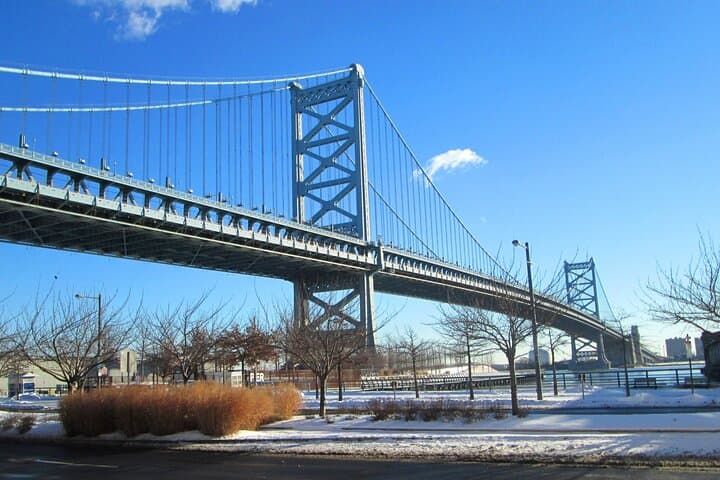
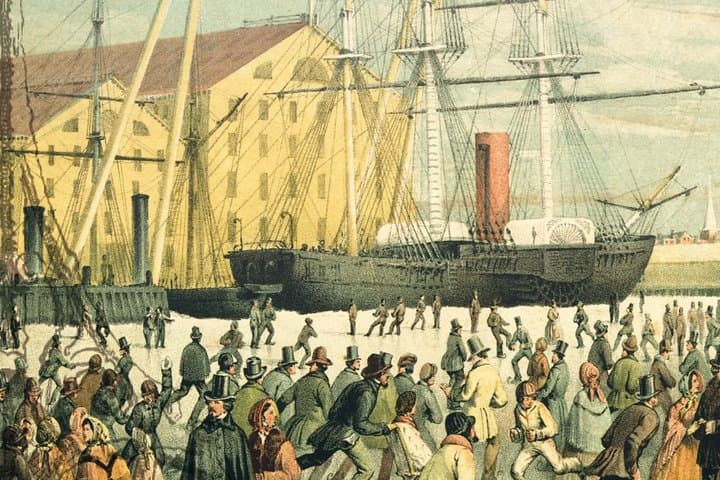
The route threads forward past Penn’s Landing, under the Benjamin Franklin Bridge, and down to Elfreth’s Alley. History arrives in clear, local moments: Quaker settlers who dug caves into the riverbank, 18th-century shipyards that financed new institutions, and the disruptive mid-20th-century insertion of I‑95 that rerouted neighborhoods and water access. Geology is simple but present—the wide tidal plain of the Delaware, filled and regraded across eras, that allowed early merchants to stack docks and store goods.
Culture here is pragmatic and porous; restaurants, riverfront parks, and working piers coexist with memorials to industry and disease. The tour’s narrator, a local historian, ties archival detail to visible landmarks so listeners can match story to street.
Practical guidance: download the VoiceMap app and redeem the code before you arrive, bring headphones, and start at the marked point outside Christ Church. Expect 40–60 minutes of mostly flat walking on paved paths and city sidewalks. Wear sturdy shoes, check transit options for returning to Center City, and carry a charged phone—the tour uses offline geodata but GPS drains batteries. Time your visit for lower river winds in the morning or late afternoon to keep narration audible and walks comfortable.
easy.
40–60 minutes.
Suitable for most fitness levels; requires standing and walking on paved urban terrain for up to an hour.
No—download the tour and geodata in the VoiceMap app before you go; GPS works offline, though initial download requires internet.
Yes—the eight‑character code can be used by every member of your party to download the tour onto their devices.
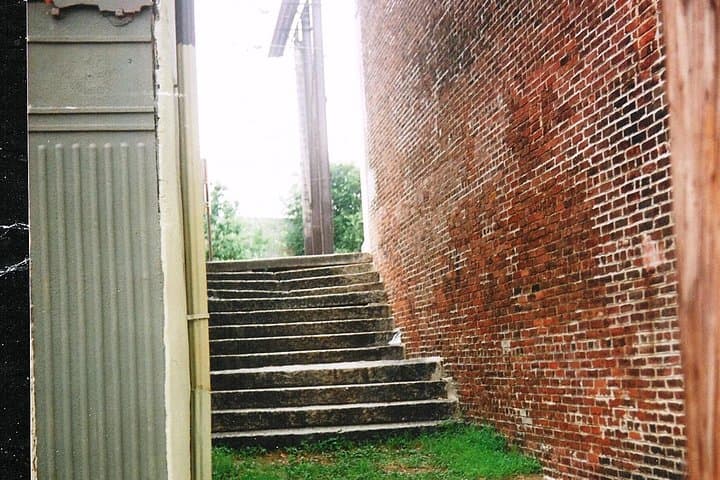
Most of the waterfront route uses paved sidewalks and piers, but some historic alleys and steps (like parts of Elfreth’s Alley) may be uneven; check the app’s route map for accessible detours.
Morning or late afternoon offers calmer winds, better light for photos, and quieter streets—avoid peak rush hours if you prefer a less crowded experience.
This stretch of waterfront was a 17th–19th century commercial hub whose fortunes shifted with industrialization and the mid‑20th century construction of I‑95 that divided the river from the city.
Recent riverfront projects focus on restoring public access and stabilizing shorelines; visitors can help by staying on trails, carrying out trash, and respecting restoration sites.
VoiceMap Audio Tours operates guided outdoor trips and adventures with an emphasis on safety, stewardship, and memorable experiences.
A cold wind off the Delaware nudges you toward the riverwalk as the tour’s first narration begins outside Christ Church. You stand at the edge of the city’s industrial seam—piers, bridges, and old warehouses—while a historian’s voice maps the invisible lines of commerce and collapse that shaped this shore.
A cold wind off the Delaware nudges you toward the riverwalk as the tour’s first narration begins outside Christ Church. You stand at the edge of the city’s industrial seam—piers, bridges, and old warehouses—while a historian’s voice maps the invisible lines of commerce and collapse that shaped this shore.
The route threads forward past Penn’s Landing, under the Benjamin Franklin Bridge, and down to Elfreth’s Alley. History arrives in clear, local moments: Quaker settlers who dug caves into the riverbank, 18th-century shipyards that financed new institutions, and the disruptive mid-20th-century insertion of I‑95 that rerouted neighborhoods and water access. Geology is simple but present—the wide tidal plain of the Delaware, filled and regraded across eras, that allowed early merchants to stack docks and store goods.
Culture here is pragmatic and porous; restaurants, riverfront parks, and working piers coexist with memorials to industry and disease. The tour’s narrator, a local historian, ties archival detail to visible landmarks so listeners can match story to street.
Practical guidance: download the VoiceMap app and redeem the code before you arrive, bring headphones, and start at the marked point outside Christ Church. Expect 40–60 minutes of mostly flat walking on paved paths and city sidewalks. Wear sturdy shoes, check transit options for returning to Center City, and carry a charged phone—the tour uses offline geodata but GPS drains batteries. Time your visit for lower river winds in the morning or late afternoon to keep narration audible and walks comfortable.