THE ADVENTURE COLLECTIVE® · Independent discovery and booking for outdoor travel

Step into Old City and discover where Philadelphia’s expansion quietly covered early graves. This two-hour walking tour pairs archaeology and local stories to reveal the city beneath the city.
Step into Old City and discover where Philadelphia’s expansion quietly covered early graves. This two-hour walking tour pairs archaeology and local stories to reveal the city beneath the city.
The tour begins beneath an open sky in Washington Square, where stone and soil still argue about what lies beneath the pavement. Guides lead a small group past iron fences, through narrow streets and alongside modern buildings that quietly cover older ground — a city whose present rests on a past that keeps turning up.
Verified experiences and guided adventures in the surrounding area.
Operated by Offbeat Philly · Philadelphia, Pennsylvania
The tour begins beneath an open sky in Washington Square, where stone and soil still argue about what lies beneath the pavement. Guides lead a small group past iron fences, through narrow streets and alongside modern buildings that quietly cover older ground — a city whose present rests on a past that keeps turning up.
Philadelphia’s Old City was built quickly after 1682, and early burial practices — potter’s fields, burned graves, and informal family plots — were often absorbed by expanding neighborhoods. Archaeologists working near Independence Hall and museum sites have uncovered bones, artifacts and layers of urban change; each reveal reframes familiar blocks as palimpsests of daily life, illness, burial ritual and migration.
The geology here is gentle: flat river plain with soils of alluvial clay and fill, which made it easy to bury and easier for later construction to obscure graves. Cultural notes: the area reflects colonial, African American and immigrant histories, and the tour connects those human stories to specific addresses and sometimes to the foundations of buildings you pass.
Practical guidance: plan for two hours of mostly flat walking on sidewalks and plazas, with intermittent standing and brief stair descents into park terraces. Wear closed-toe shoes and bring water; summer sun and winter wind cut sharp on open blocks. Photography is allowed, but respect memorial sites and private property. Expect small-group narration, stops at marked squares, and a guide who balances archaeology, municipal history and the ethical complexities of disturbed graves. This is an urban walk that asks you to think about where you stand.
moderate.
2 hours.
Suitable for most people who can stand and walk for two hours with occasional short stairs
The tour lasts approximately two hours and covers about 1.5–2 miles of mostly flat city sidewalks and public squares.
Many areas are sidewalk-accessible and the operator lists wheelchair and stroller accessibility, but contact the provider with specific mobility needs to confirm accommodations.
Yes — strollers are allowed and content is suitable for older children, but the subject matter involves human remains and may not be appropriate for very young or sensitive children.
No paid admissions are required; the tour focuses on outdoor sites and public squares, with narration and interpretation provided by the guide.
Old City’s rapid 18th- and 19th-century growth incorporated informal burial grounds, potter’s fields and reused plots that later became parks and building sites.
Tours emphasize respectful interpretation and encourage staying on paved areas; minimizing disturbance of soil and reporting any found artifacts to authorities helps protect archaeological contexts.
Offbeat Philly operates guided outdoor trips and adventures with an emphasis on safety, stewardship, and memorable experiences.
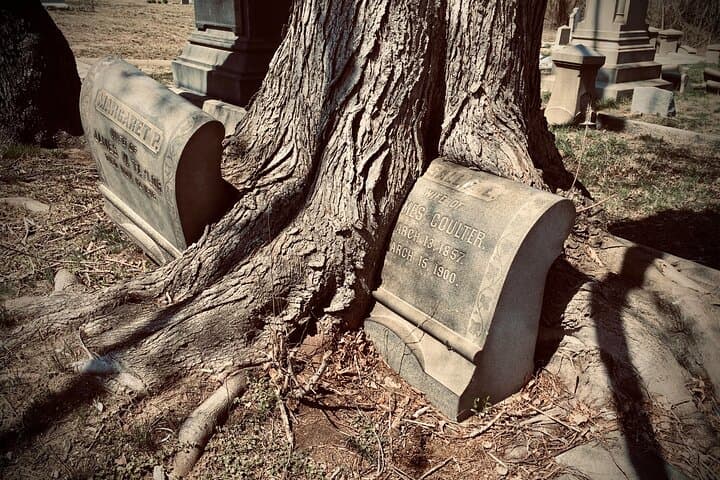
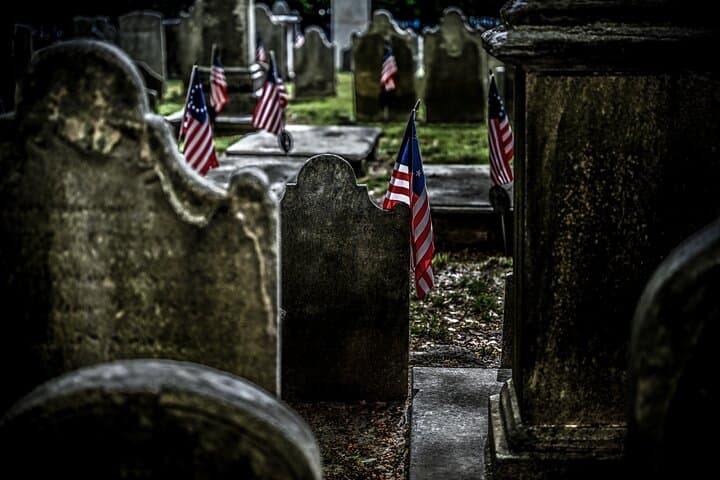
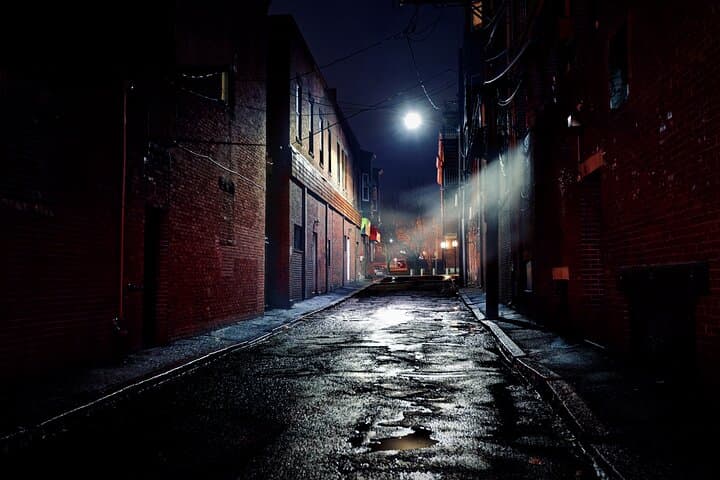
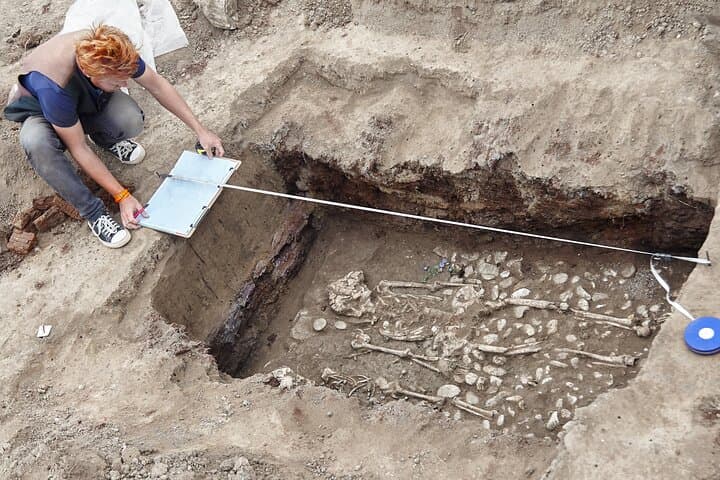
The tour begins beneath an open sky in Washington Square, where stone and soil still argue about what lies beneath the pavement. Guides lead a small group past iron fences, through narrow streets and alongside modern buildings that quietly cover older ground — a city whose present rests on a past that keeps turning up.
The tour begins beneath an open sky in Washington Square, where stone and soil still argue about what lies beneath the pavement. Guides lead a small group past iron fences, through narrow streets and alongside modern buildings that quietly cover older ground — a city whose present rests on a past that keeps turning up.
Philadelphia’s Old City was built quickly after 1682, and early burial practices — potter’s fields, burned graves, and informal family plots — were often absorbed by expanding neighborhoods. Archaeologists working near Independence Hall and museum sites have uncovered bones, artifacts and layers of urban change; each reveal reframes familiar blocks as palimpsests of daily life, illness, burial ritual and migration.
The geology here is gentle: flat river plain with soils of alluvial clay and fill, which made it easy to bury and easier for later construction to obscure graves. Cultural notes: the area reflects colonial, African American and immigrant histories, and the tour connects those human stories to specific addresses and sometimes to the foundations of buildings you pass.
Practical guidance: plan for two hours of mostly flat walking on sidewalks and plazas, with intermittent standing and brief stair descents into park terraces. Wear closed-toe shoes and bring water; summer sun and winter wind cut sharp on open blocks. Photography is allowed, but respect memorial sites and private property. Expect small-group narration, stops at marked squares, and a guide who balances archaeology, municipal history and the ethical complexities of disturbed graves. This is an urban walk that asks you to think about where you stand.