THE ADVENTURE COLLECTIVE® · Independent discovery and booking for outdoor travel

Short on time but hungry for landscape and sea life? A private 2–3 hour tour of Paracas National Reserve delivers wind‑sculpted cliffs, seabirds, sea lions and traces of a pre‑Inca culture—plus practical tips for making the most of your visit.
Short on time but hungry for landscape and sea life? A private 2–3 hour tour of Paracas National Reserve delivers wind‑sculpted cliffs, seabirds, sea lions and traces of a pre‑Inca culture—plus practical tips for making the most of your visit.
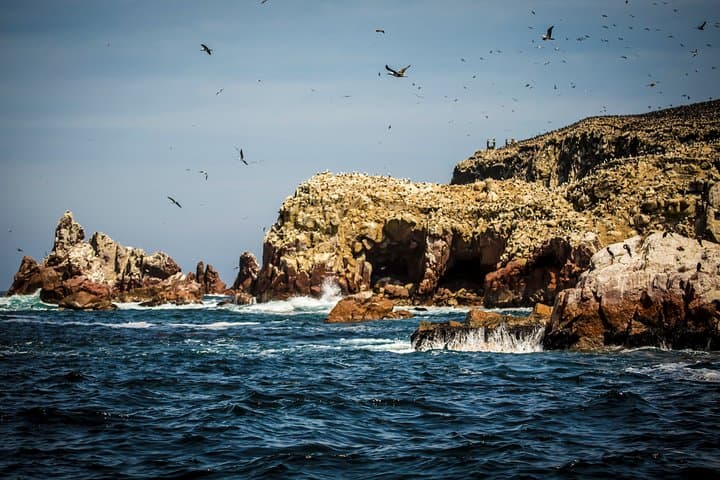
A cold wind from the Pacific hits the back of your neck as the van eases onto the salt-streaked road that skirts the Paracas National Reserve. Sand rises like a low cloud; beyond it, cliffs drop to a hard, gray sea where waves carve undercut ledges and create stone features that seem to lean out to listen.
Verified experiences and guided adventures in the surrounding area.
Operated by LimaTours · Paracas, Ica
A cold wind from the Pacific hits the back of your neck as the van eases onto the salt-streaked road that skirts the Paracas National Reserve. Sand rises like a low cloud; beyond it, cliffs drop to a hard, gray sea where waves carve undercut ledges and create stone features that seem to lean out to listen.
This coastal desert has been shaped for millennia by the Humboldt Current and relentless wind. Layers of sedimentary rock and compacted sand show the slow work of water and air; nearby, the Paracas culture left textiles and grave goods that reveal an advanced pre-Inca maritime society adapted to this dry, salty landscape.
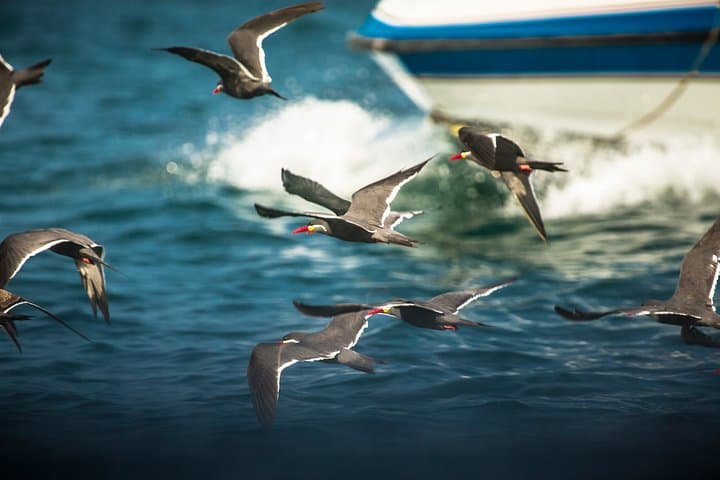
Expect open panoramas, sculpted rock arches, and coastal terraces that host seabirds and marine mammals. Guides often point out the Candelabro geoglyph on the peninsula slope and small inlets where sea lions haul out. The reserve’s geology reads like a chronicle of changing sea levels and wind regimes; culturally, it’s a place where ancient fishermen thrived against scarcity.
Practical side: tours are generally 2–3 hours with hotel pickup and a bilingual guide; terrain is mostly short, flat walks and viewpoints accessible by vehicle. Bring sun protection, a windproof layer, and at least 1 liter of water. Photography windows are best in the softer morning or late afternoon light, and seas can be choppy if you add a boat visit to the Ballestas Islands.
The tour is ideal for travelers wanting a compact introduction to Peru’s coastal desert—rich in wildlife, visible geology, and human history—without a long hike.
easy.
2–3 hours.
Minimal fitness required; short walks on mostly flat, sandy or rocky viewpoints. Suitable for most ages.
The private tour lasts about 2–3 hours and includes round‑trip hotel pickup and drop‑off in Paracas.
Yes, admission to the Paracas National Reserve is included with this tour.
Yes—terrain is easy with short walks to viewpoints; infants must sit on an adult’s lap during transport as required by the operator.
You’ll commonly see sea lions and many seabirds; Humboldt penguins are present in the region but sightings depend on season and exact route.
The Paracas culture (c. 800–100 BCE) established complex coastal communities; archaeological finds nearby include textiles and burial sites indicating extensive maritime adaptation.
The reserve protects fragile desert‑coast habitats and marine life; visitors should stay on marked paths, avoid disturbing wildlife, and pack out all trash.
LimaTours operates guided outdoor trips and adventures with an emphasis on safety, stewardship, and memorable experiences.


A cold wind from the Pacific hits the back of your neck as the van eases onto the salt-streaked road that skirts the Paracas National Reserve. Sand rises like a low cloud; beyond it, cliffs drop to a hard, gray sea where waves carve undercut ledges and create stone features that seem to lean out to listen.
A cold wind from the Pacific hits the back of your neck as the van eases onto the salt-streaked road that skirts the Paracas National Reserve. Sand rises like a low cloud; beyond it, cliffs drop to a hard, gray sea where waves carve undercut ledges and create stone features that seem to lean out to listen.
This coastal desert has been shaped for millennia by the Humboldt Current and relentless wind. Layers of sedimentary rock and compacted sand show the slow work of water and air; nearby, the Paracas culture left textiles and grave goods that reveal an advanced pre-Inca maritime society adapted to this dry, salty landscape.
Expect open panoramas, sculpted rock arches, and coastal terraces that host seabirds and marine mammals. Guides often point out the Candelabro geoglyph on the peninsula slope and small inlets where sea lions haul out. The reserve’s geology reads like a chronicle of changing sea levels and wind regimes; culturally, it’s a place where ancient fishermen thrived against scarcity.
Practical side: tours are generally 2–3 hours with hotel pickup and a bilingual guide; terrain is mostly short, flat walks and viewpoints accessible by vehicle. Bring sun protection, a windproof layer, and at least 1 liter of water. Photography windows are best in the softer morning or late afternoon light, and seas can be choppy if you add a boat visit to the Ballestas Islands.
The tour is ideal for travelers wanting a compact introduction to Peru’s coastal desert—rich in wildlife, visible geology, and human history—without a long hike.