THE ADVENTURE COLLECTIVE® · Independent discovery and booking for outdoor travel

Step into Øyfjellgrotta and follow guides through limestone passages shaped over millennia. This three-hour cave walk near Bodø combines easy hiking with tight, atmospheric caverns—ideal for curious outdoor travelers.
Step into Øyfjellgrotta and follow guides through limestone passages shaped over millennia. This three-hour cave walk near Bodø combines easy hiking with tight, atmospheric caverns—ideal for curious outdoor travelers.
Low light and the muffled drip of water set the scene before you even step inside Øyfjellgrotta. The approach walk moves through wind-swept heather and birch, and then the entrance narrows — the cave inhales and invites you in. Headlamps carve paths across chalky walls and the guides lead a steady, deliberate pace into chambers shaped over hundreds of thousands of years.
Verified experiences and guided adventures in the surrounding area.
Operated by Hi North · Bodø, Nordland
Low light and the muffled drip of water set the scene before you even step inside Øyfjellgrotta. The approach walk moves through wind-swept heather and birch, and then the entrance narrows — the cave inhales and invites you in. Headlamps carve paths across chalky walls and the guides lead a steady, deliberate pace into chambers shaped over hundreds of thousands of years.
Øyfjellgrotta is a limestone cave formed by glacial melt and acidic groundwater that dissolved bedrock, leaving passages, stalactites, and a “living room” chamber where the group pauses for a snack. The area around Bodø has long ties to coastal Sami and Norwegian farming communities; caves like Øyfjellgrotta figured in local stories and provided shelter and curiosity for generations.
Expect uneven, wet floor, low ceilings in sections, and cool air that feels like the mountain breathing. Guides provide overalls, helmets and headlamps; wear waterproof hiking shoes. The walk is non-technical but tight passages and darkness mean it’s not suitable for anyone with severe claustrophobia.
Practical guidance: arrive in good boots, layer for 5–10°C cave temps, and keep electronics sealed — condensation is common. Bring a small snack and water; phones will run down quickly under headlamps. The route is about three hours total with short approach hikes and time inside the cave. Respect fragile speleothems — touch them and oils stop calcite growth — and follow the guide’s path to minimize impact. Øyfjellgrotta offers a compact, tactile lesson in geology where the earth seems to move and the rock quietly reorders your sense of space.
moderate.
3 hours.
Suitable for most fitness levels but requires steady footing, basic balance, and comfort walking on uneven, wet terrain.
The full experience is about three hours including the walk to the cave, gearing up, exploration inside, and return.
Children can join; organizers provide overcoats and child-sized equipment, but guardians should ensure kids are comfortable in dark, confined spaces.
No technical caving skills are required; the route is guided and non-technical though it includes narrow passages and uneven footing.
Expect cool, steady temperatures around 5–10°C (41–50°F) with damp, sometimes muddy conditions and occasional low ceilings.
Caves in the Nordland region have long been part of local oral history and served as occasional refuge or resource sites; Øyfjellgrotta records millennia of groundwater sculpting in limestone.
Stay on the guided route and avoid touching speleothems; oils from hands halt calcite deposition and damage formations that grow over centuries.
Hi North operates guided outdoor trips and adventures with an emphasis on safety, stewardship, and memorable experiences.
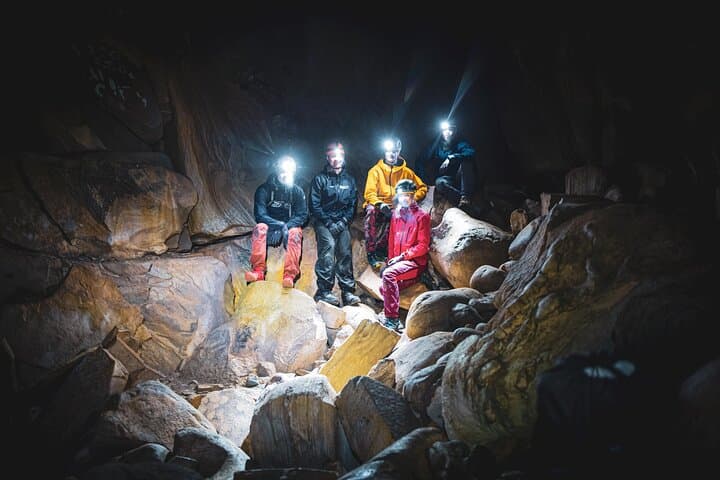
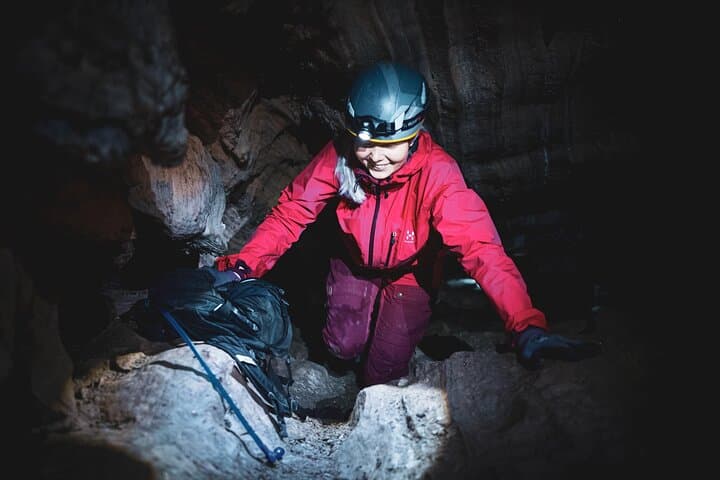
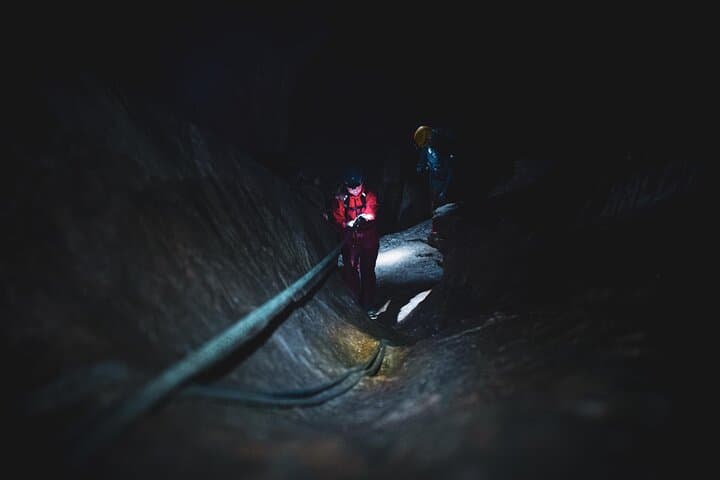
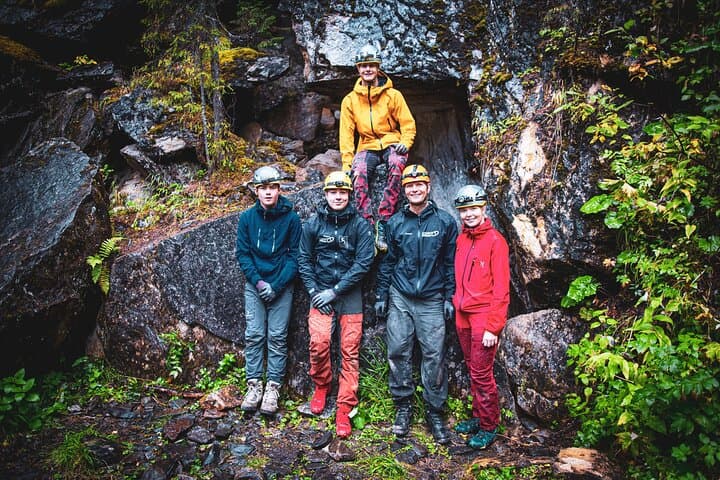
Low light and the muffled drip of water set the scene before you even step inside Øyfjellgrotta. The approach walk moves through wind-swept heather and birch, and then the entrance narrows — the cave inhales and invites you in. Headlamps carve paths across chalky walls and the guides lead a steady, deliberate pace into chambers shaped over hundreds of thousands of years.
Low light and the muffled drip of water set the scene before you even step inside Øyfjellgrotta. The approach walk moves through wind-swept heather and birch, and then the entrance narrows — the cave inhales and invites you in. Headlamps carve paths across chalky walls and the guides lead a steady, deliberate pace into chambers shaped over hundreds of thousands of years.
Øyfjellgrotta is a limestone cave formed by glacial melt and acidic groundwater that dissolved bedrock, leaving passages, stalactites, and a “living room” chamber where the group pauses for a snack. The area around Bodø has long ties to coastal Sami and Norwegian farming communities; caves like Øyfjellgrotta figured in local stories and provided shelter and curiosity for generations.
Expect uneven, wet floor, low ceilings in sections, and cool air that feels like the mountain breathing. Guides provide overalls, helmets and headlamps; wear waterproof hiking shoes. The walk is non-technical but tight passages and darkness mean it’s not suitable for anyone with severe claustrophobia.
Practical guidance: arrive in good boots, layer for 5–10°C cave temps, and keep electronics sealed — condensation is common. Bring a small snack and water; phones will run down quickly under headlamps. The route is about three hours total with short approach hikes and time inside the cave. Respect fragile speleothems — touch them and oils stop calcite growth — and follow the guide’s path to minimize impact. Øyfjellgrotta offers a compact, tactile lesson in geology where the earth seems to move and the rock quietly reorders your sense of space.