THE ADVENTURE COLLECTIVE® · Independent discovery and booking for outdoor travel

A full-day circuit from Salalah visiting Al Baleed, Khor Rori, Wadi Dawkha and the Lost City of Ubar—see living frankincense trees, coastal archaeology and desert dunes while learning the trade’s ancient history.
A full-day circuit from Salalah visiting Al Baleed, Khor Rori, Wadi Dawkha and the Lost City of Ubar—see living frankincense trees, coastal archaeology and desert dunes while learning the trade’s ancient history.
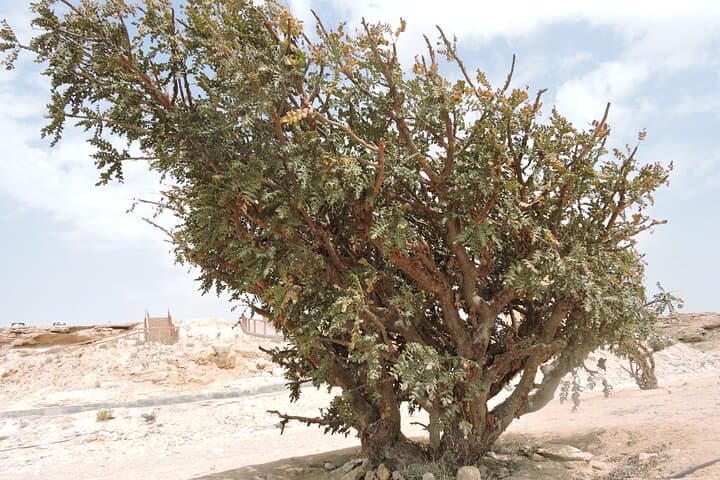
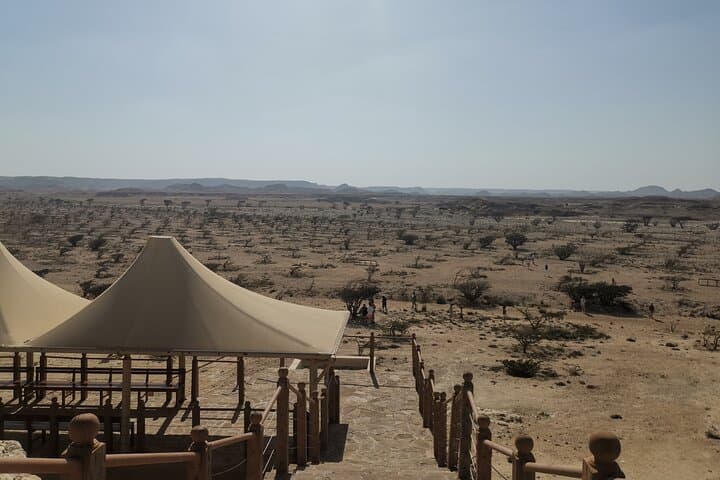
The morning sun glances off salt-streaked ruins and a breeze scented with resin pushes inland from the Arabian Sea as your air-conditioned vehicle slips out of Salalah. Over nine hours you move through coastal archaeology, creeks cleaved into limestone, an alluvial wadi where Boswellia sacra still bleeds its fragrant tears, and finally the wind-sculpted dunes of Rub al Khali where the desert seems to swallow history whole.
Verified experiences and guided adventures in the surrounding area.
Operated by Marhaba Dhofar · Salalah, Dhofar Governorate
The morning sun glances off salt-streaked ruins and a breeze scented with resin pushes inland from the Arabian Sea as your air-conditioned vehicle slips out of Salalah. Over nine hours you move through coastal archaeology, creeks cleaved into limestone, an alluvial wadi where Boswellia sacra still bleeds its fragrant tears, and finally the wind-sculpted dunes of Rub al Khali where the desert seems to swallow history whole.
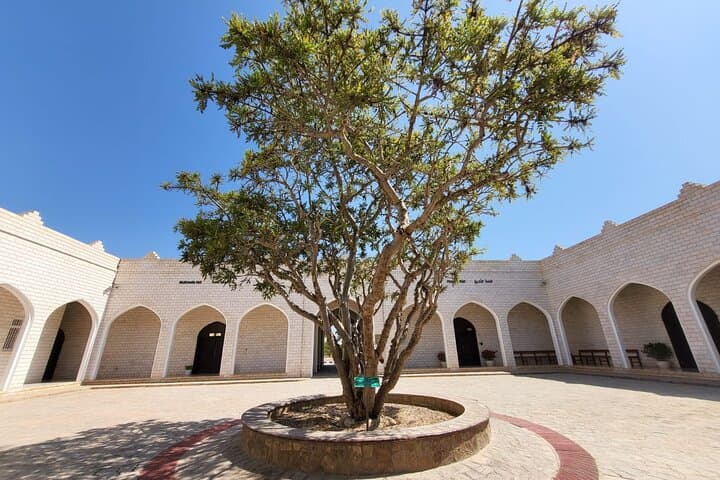
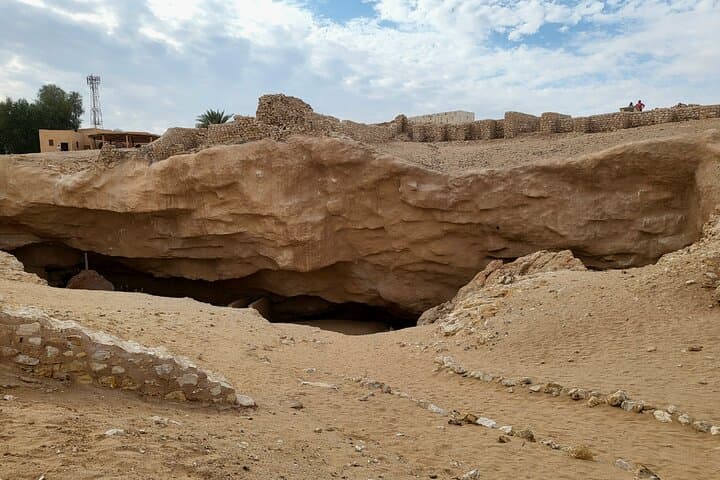
This route links four UNESCO components: Al Baleed and its maritime museum, the Sumhuram site at Khor Rori, Wadi Dawkha with its living frankincense trees, and the legendary ruins of Ubar near Shisr. Geology here ranges from coastal terraces and fossil-rich sands to seasonal wadis that channel rare mountain runoff—conditions that allowed frankincense to become a trade commodity across millennia. Local Dhofari culture still revolves around resin harvesting; you’ll see drying slabs and learn traditional uses from guide-led displays.
Expect short walks on uneven archaeological paths, creekside dunes, and shallow wadi beds rather than long hikes; most distances are covered by road with timed stops. Practical notes: bring sun protection and plentiful water, wear closed-toe shoes for rubble and sand, and plan photography around low light—sunrise or late afternoon softens the desert’s contrast. Cash small bills for local markets; museums accept cards but smaller vendors may not. If you want quieter moments, ask to linger slightly longer at Wadi Dawkha or watch the Rub al Khali sunset from a raised dune—nature here is active, not passive, and the landscape will make its presence felt.
easy.
9 hours.
Minimal fitness required—short walks and standing; most travel is by vehicle
Tour descriptions indicate museum admissions to Al Baleed, Sumhuram and the Museum of Frankincense are included—confirm with your operator at booking.
Yes; the tour is rated physically easy with short, accessible walks, but expect vehicle transfers and some uneven surfaces.
Yes. Local markets sell raw resin and finished products—bring small cash and check quality; guides can show reputable vendors.
This is a private tour with hotel pickup and drop-off in Salalah; provide exact pickup details when booking.
The frankincense trade linked southern Oman to the Mediterranean and South Asia for millennia; ports like Khor Rori exported resin that powered early long-distance commerce.
Frankincense populations are sensitive—harvesting uses careful tapping techniques, and visitors should avoid trampling seedlings and stay on paths to protect regeneration.
Marhaba Dhofar operates guided outdoor trips and adventures with an emphasis on safety, stewardship, and memorable experiences.
The morning sun glances off salt-streaked ruins and a breeze scented with resin pushes inland from the Arabian Sea as your air-conditioned vehicle slips out of Salalah. Over nine hours you move through coastal archaeology, creeks cleaved into limestone, an alluvial wadi where Boswellia sacra still bleeds its fragrant tears, and finally the wind-sculpted dunes of Rub al Khali where the desert seems to swallow history whole.
The morning sun glances off salt-streaked ruins and a breeze scented with resin pushes inland from the Arabian Sea as your air-conditioned vehicle slips out of Salalah. Over nine hours you move through coastal archaeology, creeks cleaved into limestone, an alluvial wadi where Boswellia sacra still bleeds its fragrant tears, and finally the wind-sculpted dunes of Rub al Khali where the desert seems to swallow history whole.
This route links four UNESCO components: Al Baleed and its maritime museum, the Sumhuram site at Khor Rori, Wadi Dawkha with its living frankincense trees, and the legendary ruins of Ubar near Shisr. Geology here ranges from coastal terraces and fossil-rich sands to seasonal wadis that channel rare mountain runoff—conditions that allowed frankincense to become a trade commodity across millennia. Local Dhofari culture still revolves around resin harvesting; you’ll see drying slabs and learn traditional uses from guide-led displays.
Expect short walks on uneven archaeological paths, creekside dunes, and shallow wadi beds rather than long hikes; most distances are covered by road with timed stops. Practical notes: bring sun protection and plentiful water, wear closed-toe shoes for rubble and sand, and plan photography around low light—sunrise or late afternoon softens the desert’s contrast. Cash small bills for local markets; museums accept cards but smaller vendors may not. If you want quieter moments, ask to linger slightly longer at Wadi Dawkha or watch the Rub al Khali sunset from a raised dune—nature here is active, not passive, and the landscape will make its presence felt.