THE ADVENTURE COLLECTIVE® · Independent discovery and booking for outdoor travel

Walk the streets of Old Batavia with an expert guide and uncover Jakarta’s layered history—from VOC warehouses and puppet studios to the monumental mosque and cathedral. Practical tips and a flexible itinerary help you navigate museums, tuk-tuks, and city traffic for a full-day cultural immersion.
Walk the streets of Old Batavia with an expert guide and uncover Jakarta’s layered history—from VOC warehouses and puppet studios to the monumental mosque and cathedral. Practical tips and a flexible itinerary help you navigate museums, tuk-tuks, and city traffic for a full-day cultural immersion.
You step from a shaded tuk-tuk into a square where stone facades hold sun and memory, and the old harbour seems to nudge the city to remember its first arrivals. The air tastes faintly of diesel, fried snacks and tropical humidity; a guide folds history into readable stops between colonial warehouses and the mosque’s modern curve.
Verified experiences and guided adventures in the surrounding area.
Operated by TRIPEDIA · Jakarta, Jakarta
You step from a shaded tuk-tuk into a square where stone facades hold sun and memory, and the old harbour seems to nudge the city to remember its first arrivals. The air tastes faintly of diesel, fried snacks and tropical humidity; a guide folds history into readable stops between colonial warehouses and the mosque’s modern curve.
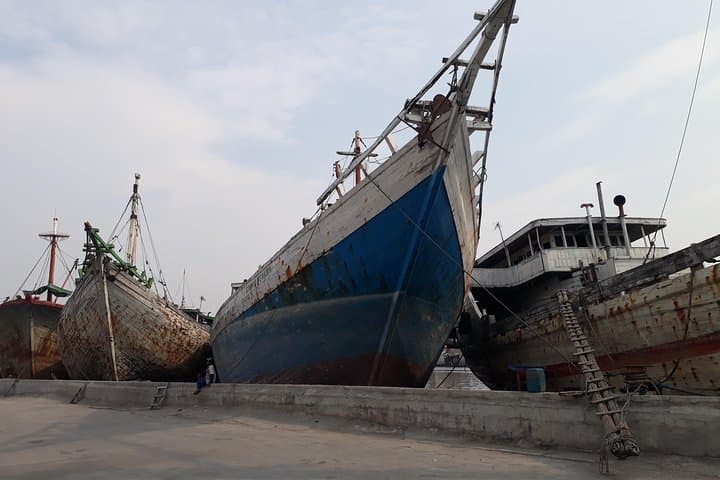
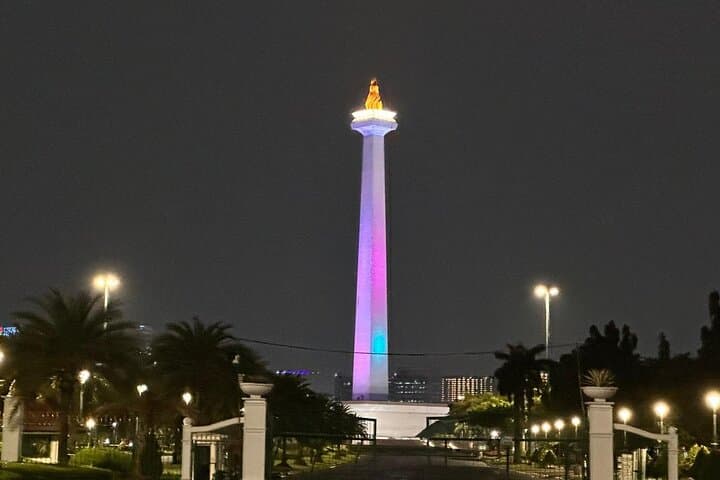
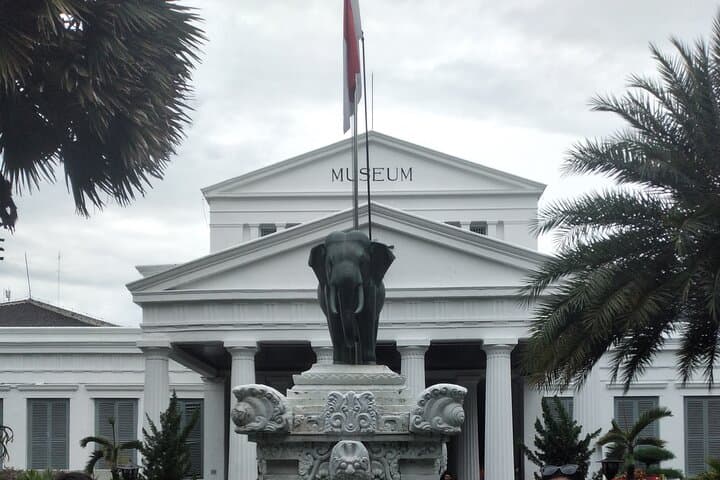
Old Batavia — Kota Tua — was the axis of VOC trade, remade by Dutch and Chinese builders from the 17th century onward. The National Museum’s galleries map Indonesia’s long prehistory and Hindu-Buddhist kingdoms, while the cathedral and Istiqlal Mosque, facing each other near Merdeka, narrate modern Jakarta’s religious and political evolution. The Kota Intan bridge and old harbour recall a time when ships, spice traders and local boatmen defined the city’s rhythm.
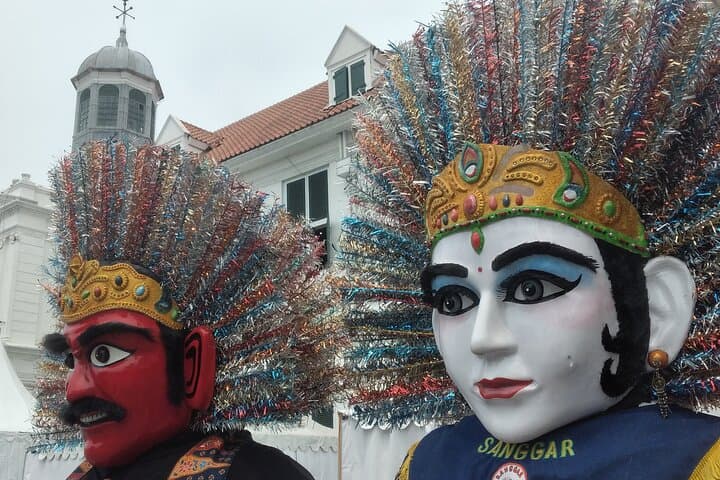
Culturally, you’ll pass puppet studios that keep wayang traditions alive and a Chinatown still animated by temples, markets and street food stalls. The geology is subtle here: reclaimed marshes and rivers rerouted into canals, the city sitting on alluvial deposits that complicate foundations and traffic alike.
Practical guidance: plan 6–7 hours for a full private tour, request museum-entry times around closures (many museums closed Mondays), and allow flexibility for Jakarta traffic. Wear lightweight, closed shoes for uneven colonial pavements; bring a light rain layer during the wet season and bottled water. Tuk-tuk rides are short but offer a vivid local tempo—confirm timing with your driver so the itinerary flows. With a knowledgeable guide, this day blends readable history with the textured, often surprising reality of Indonesia’s capital.
easy.
6–7 hours.
Suitable for all fitness levels but expect extended walking on cobblestones, stairs and museum floors
The National Museum admission is typically included in private tours, but many museums close on Mondays—confirm specific openings when booking.
Yes; visitors may enter both but should follow dress codes—modest clothing and shoe removal at the mosque; note some areas may be restricted during large services and Fridays may limit access.
Private air-conditioned transport and tuk-tuk experiences are provided; discuss pickup/drop-off and tuk-tuk timing with the operator to avoid delays.
Yes—this tour is labeled physically easy; infants must sit on laps and infant seats are available on request.
Jakarta’s Old Town was the VOC administrative center in the 17th century, reworked through Dutch colonial, Chinese merchant, and modern Indonesian eras.
Urban growth and land reclamation have altered Jakarta’s waterways; choose walking and public-transport-friendly options to reduce local traffic impact and support heritage-site preservation.
TRIPEDIA operates guided outdoor trips and adventures with an emphasis on safety, stewardship, and memorable experiences.
You step from a shaded tuk-tuk into a square where stone facades hold sun and memory, and the old harbour seems to nudge the city to remember its first arrivals. The air tastes faintly of diesel, fried snacks and tropical humidity; a guide folds history into readable stops between colonial warehouses and the mosque’s modern curve.
You step from a shaded tuk-tuk into a square where stone facades hold sun and memory, and the old harbour seems to nudge the city to remember its first arrivals. The air tastes faintly of diesel, fried snacks and tropical humidity; a guide folds history into readable stops between colonial warehouses and the mosque’s modern curve.
Old Batavia — Kota Tua — was the axis of VOC trade, remade by Dutch and Chinese builders from the 17th century onward. The National Museum’s galleries map Indonesia’s long prehistory and Hindu-Buddhist kingdoms, while the cathedral and Istiqlal Mosque, facing each other near Merdeka, narrate modern Jakarta’s religious and political evolution. The Kota Intan bridge and old harbour recall a time when ships, spice traders and local boatmen defined the city’s rhythm.
Culturally, you’ll pass puppet studios that keep wayang traditions alive and a Chinatown still animated by temples, markets and street food stalls. The geology is subtle here: reclaimed marshes and rivers rerouted into canals, the city sitting on alluvial deposits that complicate foundations and traffic alike.
Practical guidance: plan 6–7 hours for a full private tour, request museum-entry times around closures (many museums closed Mondays), and allow flexibility for Jakarta traffic. Wear lightweight, closed shoes for uneven colonial pavements; bring a light rain layer during the wet season and bottled water. Tuk-tuk rides are short but offer a vivid local tempo—confirm timing with your driver so the itinerary flows. With a knowledgeable guide, this day blends readable history with the textured, often surprising reality of Indonesia’s capital.